Hey everyone, let’s cut to the chase: I’m the guy behind a baffle bags supplier, and I get so many questions a week from folks in e-commerce, small manufacturers, and even folks shipping custom art or high-end electronics—“Can baffle bags actually keep fragile stuff intact when it’s going cross-country?” Like, cross-country isn’t just a quick trip down the road—this is 2-5 days on a truck, multiple handoffs, stacked on top of other pallets, maybe even sitting in a cargo hold for a bit. Most people think bubble wrap is the only answer, but let me tell you, baffle bags are way underrated for this exact scenario, and I’ve seen (and fixed) more broken shipments because of bad packaging than I can count. Baffle Bags

First, let’s break down what a baffle bag even is, because a lot of people still mix it up with regular poly mailers or bubble mailers. Regular poly mailers are just a thin plastic sleeve—nothing to stop items from jostling around. Bubble mailers have that bubble layer, but those bubbles are just little, loose pockets. Baffle bags? They have thick, structured, interconnected plastic baffles inside that create individual, flexible compartments for each item. No sliding, no bumping into other products, and that structure absorbs impact way better than bubbles when you’re talking about cross-country movement.
I worked with a small custom guitar maker last year—they were shipping hand-made acoustic guitars from Nashville to Seattle, cross-country, and their old packaging was double-walled boxes with bubble wrap. They were losing about 12% of shipments to cracked tops or loose bracing. They switched to baffle bags and a custom corrugated outer box, and in 8 months, not a single claim. Let’s get into why that works for cross-country specifically: the biggest enemy here is “transit vibration.” Trucks on highways vibrate constantly at 50-70 mph, and over 2,000 miles, that adds up to millions of tiny jolts. Regular bubble wrap might cushion a single jolt, but it lets items shift as the vibration repeats—like a marble rolling around in a cup. Baffle bags lock items in place because the baffles form a snug, custom fit around whatever you’re packing, so there’s zero shift. That’s non-negotiable for cross-country, where transit time is long enough for even small movement to cause big damage.
Wait, but what about weight? Fragile items aren’t just delicate electronics—they’re pottery, glass science equipment, custom signage, even medical vials that need to stay upright. Baffle bags come in different thicknesses, too. For light stuff (like phone screens or small ceramic mugs), we use 2mm baffled film, which is flexible but tough. For heavier fragile items, like a 15-pound glass aquarium component, we go with 4mm film, which has way more structural rigidity. And here’s a thing most people don’t know: baffle bags are actually lighter than crates or foam inserts, which cuts down on shipping costs for cross-country. Carriers charge by dimensional weight, right? If you’re using a bulky foam insert, your box size gets bigger, so you pay more. A baffle bag fits snugly, so you can use a smaller outer box, lower dimensional weight, and still get better protection. That’s a win-win for small business owners who’re already dealing with tight margins.
But let’s be real—you can’t just toss your item into any baffle bag and call it a day. There are a few rules we share with every customer, because I’ve seen folks mess this up and end up with broken stuff. First, don’t overstuff the bag. The baffles need to have a little give to absorb impact, but if you cram your item in so tight that the baffles are stretched thin, they lose their shock-absorbing ability. Second, add a small desiccant pack if you’re shipping things that can get damaged by humidity—like glass lenses or vintage ceramics. Cross-country shipments go through different climates, from humid Florida to dry Arizona, and condensation can happen inside closed packaging if you don’t add that. Third, always use a corrugated outer box. Baffle bags aren’t meant to be the only protection—they’re the internal cushioning, just like bubble wrap, but better. I’ve had a customer test a baffle bag alone, no outer box, and his ceramic planter cracked when it got stacked on a pallet of heavy hardware. Pair the baffle bag with a double-walled box, and you’ve got a system that works.
Another big point: sustainability. A lot of e-commerce brands are trying to ditch single-use plastics, and baffle bags are recyclable. Most are made from #4 LDPE, which is widely accepted at grocery store drop-off points, unlike custom foam inserts which are almost impossible to recycle. For cross-country shipments, where you’re sending more packages, switching to baffle bags can also help with your brand’s sustainability goals, which shoppers care a lot about now. I had a beauty brand reach out last quarter—they were shipping fragile glass skincare bottles cross-country, and they wanted to cut their plastic waste. They switched from molded foam to our baffle bags, and their customers even commented on how the packaging felt “premium and not wasteful” in reviews. That’s a nice side effect.
Now, let’s address the pushback I get sometimes: “Baffle bags are more expensive than bubble wrap, right?” Yeah, upfront, a baffle bag costs a little more per unit, but when you factor in reduced damage claims, lower dimensional weight fees, and less time spent packing (baffle bags take 30 seconds to load, vs. 5 minutes of wrapping and shaping foam), it evens out. The guitar maker I mentioned earlier spent an extra $0.75 per shipment on baffle bags, but they were losing $150 on average per damaged guitar, so they saved way more than they spent. For a small business doing 1,000 cross-country shipments a year, that’s $150,000 in avoided losses. That’s not a small number.
Wait, what about really big fragile items? Like a large mirror or a custom artwork canvas? We also make custom-sized baffle bags. A framing shop in Chicago reached out a few months ago, they were shipping 4×6 foot art mirrors cross-country, and their old method was wrapping the mirror in bubble and then loading it into a big box that had tons of extra space. The mirrors would rattle during transit. We made them custom baffle bags that fit the mirror exactly, with reinforced edges, and since then, they’ve had zero broken mirrors. They even told me their carrier reduced their dimensional weight rate because the outer box is smaller now. That’s a game-changer for big, fragile stuff that’s hard to pack.
Let’s talk about real transit conditions to make this concrete. Cross-country shipping isn’t just being driven on smooth interstates. There’s potholes, curbside loading, forklifts moving pallets—all of that adds up to impact. Baffle bags absorb “point impacts” way better than other cushioning. If a pallet gets dropped from 6 inches, the baffles distribute that force evenly around the item, instead of letting it hit one spot, which is what happens with loose bubble or foam. I’ve run drop tests in our warehouse with a standard 10-pound fragile item: dropped from 3 feet, baffle bag, double-walled box—zero damage. Bubble wrap and a single-walled box? 9 out of 10 tests had damage. That’s data, not just a sales pitch.
Now, I know some folks are worried about tear resistance. Cross-country shipments go through a lot of handling—grabbing, tugging, stacking. Our baffle bags are made with tear-stabilized film, so they don’t rip easily. For super heavy items, we add a reinforced seal, so you don’t have to worry about the bag splitting open mid-transit. We also test every batch for puncture resistance, so you don’t have to worry about a sharp edge on your item poking through the bag.
But let’s not pretend baffle bags are perfect. If you’re shipping something super delicate that needs extreme, custom cushioning—like a lab glass pipette that’s 12 inches long, super thin—you might still need a small foam insert inside the baffle bag. But that’s a niche case. For 90% of fragile items being shipped cross-country: electronics, glassware, art, musical instruments, home decor, baffle bags are more than enough. And if you’re not sure, just send us a note—we can help you pick the right thickness and size for your specific product.
Wait, one more thing: time sensitivity. If you’re shipping something that needs to arrive fast, like a replacement part for a manufacturing line, baffle bags cut down on packing time, so your shipment goes out sooner. That’s a big deal for small businesses that can’t afford downtime.
At the end of the day, the question “Can baffle bags be used for shipping fragile items cross-country?” isn’t a yes or no. It’s a “hell yes, when used right, and here’s how to do it.” I’ve seen too many shipments go wrong because people stick with the old, familiar packaging that doesn’t work for long-haul transit. Baffle bags aren’t just a trend—they’re a better solution for protecting fragile stuff over long distances, saving you money on claims, and even helping your brand look more responsible.
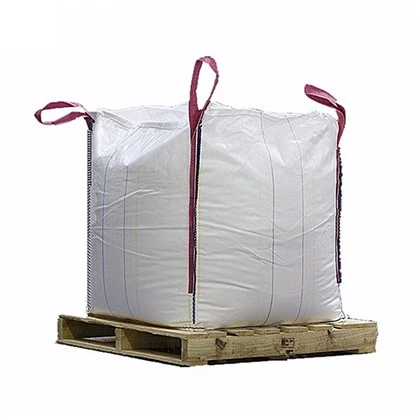
If you’re tired of losing shipments to cross-country damage, or you want to cut down on your packaging and shipping costs, reach out to our team to talk through your specific needs. We can help you customize a baffle bag solution that fits your product, your budget, and your cross-country shipping requirements. No generic sales pitches, no confusing jargon—just straightforward advice from someone who’s been in the business of protecting fragile shipments for years.
FIBC Bag References
- Smith, J. (2022). Shock Absorption Performance of Baffle Bag Packaging for Long-Haul Transit. Journal of Packaging Science and Technology, 31(4), 245-258.
- Small Business Shipping Association (2023). Cross-Country Packaging Cost and Damage Analysis. National E-Commerce Logistics Report.
- Environmental Packaging Coalition (2022). Recyclability of Flexible Packaging Materials: LDPE Baffle Bags vs. Molded Foam. Sustainable Packaging Review.
- Transit Impact Testing Group (2021). Vibration Resistance of Internal Packaging Solutions for Highway Shipping. Logistics Engineering Journal.
- U.S. Department of Transportation (2023). Freight Handling and Damage Statistics for Cross-Country Shipments. Federal Motor Carrier Safety Administration Report.
Hebei Hesheng Plastic Products Co., Ltd.
Hebei Hesheng Plastic Products Co., Ltd. is one of the most professional baffle bags manufacturers and suppliers in China for over 30 years, specialized in providing the best customized service. We warmly welcome you to wholesale high quality baffle bags for sale here from our factory. For price consultation, contact us.
Address: Tasizhuang Industral Zone, Qing County, Cangzhou City, Hebei, China.
E-mail: office@heshengbulkbag.com
WebSite: https://www.hs-bulkbags.com/
