If you’ve ever rummaged through a closet, garage, or messy sewing table searching for a half-yard cut of linen, a spool of specialty thread, or a set of fine-point sewing needles, you know how much time a disorganized sewing supply setup can waste. For years, I saw this frustration firsthand as a fabric rack supplier—clients would tell me they’d tripped over piles of cotton fabric, lost favorite notions to the back of a bin, or spent hours untangling thread spools before starting a project. That’s why I built my line of heavy-duty, adjustable fabric racks, and today I’m breaking down exactly how to use them to organize your sewing space (even if it’s a tiny studio, a corner of a bedroom, or a home workshop). Fabric Rack
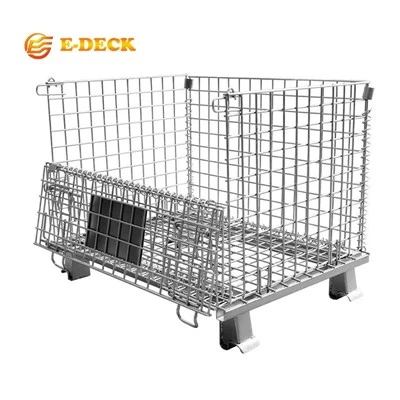
First, let’s start with the basics: what makes a fabric rack different from a generic clothing rack? Unlike standard clothing racks, which are designed to hold structured garments, fabric racks are built with features tailored to sewing supplies. Most models include extra-wide, sturdy horizontal bars to hold large fabric bolts or folded yardage, shallow lower shelves for notions, and sometimes pegs or hooks for thread spools, scissors, and pattern weights. That custom design is the key to making this tool work for your sewing routine, not against it. I’ve seen customers waste space by using a regular clothing rack for fabric, or cramming notions on shelves meant for heavy coats—so aligning your rack’s features with your supplies is the first step.
Next, assess your space and needs before setting up. If you’re working with a small space, a wall-mounted or freestanding narrow rack (under 30 inches wide) will fit in a bedroom nook or closet. For larger setups, a 60-inch wide model works for multiple fabric lines and extra notion storage. I recommend taking inventory of your sewing supplies first: how many fabric bolts do you own? Do you use large, heavy upholstery pieces, or mostly lightweight cotton and chiffon? How many thread spools, buttons, zippers, and small tools do you need to store? That inventory will help you decide which sections of your rack to prioritize. For example, if you’re a quilter who works with 10+ fabric bolts at a time, focus on the upper bars of your rack for fabric, and use lower, adjustable shelves for cutting mats and rotary blades. If you’re a costume maker who needs easy access to thread and notions, install the pegs or hooks on the sides of your rack for thread spools and small scissors.
Now, let’s walk through step-by-step organization, starting with fabric. The best way to store fabric on a rack is to prioritize accessibility and prevent stretching or damage. For large bolts of fabric, hang them on the upper horizontal bars of the rack, with the selvage edge facing out. The selvage (the tight, finished edge of fabric that runs along the length) doesn’t stretch, so hanging it this way keeps the main fabric flat and free from wrinkles. If you’re working with folded yardage (not bolts), fold fabric neatly along the grain line, then hang them vertically on the bars—this prevents the fabric from getting stretched from horizontal folding, and you can see every piece at a glance without digging. I advise separating fabric by project type: keep quilting cottons together in one section, apparel fabrics (linen, silk, denim) in another, and upholstery pieces in a third. Add a small label maker or fabric tags to mark each section, so you don’t have to scan every piece when you’re starting a new project. For delicate fabrics like chiffon or lace, use soft fabric hangers or fabric rolls on the rack instead of wire hangers—wire can snag delicate fibers, and rolls keep lace or sheer fabric from crumpling.
Once your fabric is set up, move on to notions and small supplies—this is where most people run into clutter. The lower shelves of a fabric rack are made for these items, but you don’t want to just pile them on. Sort notions by use: group all cutting tools (rotary blades, scissors, seam rippers) together, all measuring tools (tape measures, rulers, fabric markers) in another, and fasteners (buttons, zippers, snaps) in small, clear bins on the shelves. The pegs or hooks on the sides of the rack are perfect for hanging thread spools—many of our fabric racks have adjustable pegs that fit standard cone spools or small hand-wound spools. I recommend organizing thread spools by color family (neutrals, brights, pastels) or by project type (quilting thread, apparel thread, decorative thread) so you can grab the right color in seconds. For small items like pins, safety pins, or bias tape, use small, stackable plastic containers that fit on the lower shelves—clear containers let you see what’s inside without opening every lid, and they prevent small items from rolling off the shelf when you move the rack.
A common mistake I see customers make is overloading the rack, which leads to wobbly bars, stretched fabric, or notions falling off. Follow the weight limits for your rack (most of our models hold up to 200 pounds total, but I recommend not exceeding 150 pounds for home use to keep it stable). Don’t hang heavy upholstery bolts on the very top of the rack—distribute weight evenly across the bars, with heavier items closer to the middle and lighter items on the ends. If you have multiple heavy fabric bolts, add a second horizontal bar on the lower section of the rack instead of cramming all weight on the top. For mobile fabric racks (the kind with wheels, perfect for small spaces or workshops), make sure the wheels are locked when you’re sewing, so the rack doesn’t tip when you’re pulling fabric off the bars.
Another pro tip I share with customers is to use your fabric rack as a multi-functional workspace, not just storage. If your rack has a wide top bar, you can lay a cutting mat on it for small cutting tasks—just make sure to leave space to pull fabric from the lower bars without knocking over tools. Some of our fabric racks also have a fold-down side table attachment, which is ideal for holding pattern pieces, a coffee mug, or a laptop for sewing tutorials. I’ve even seen customers use the side hooks to hang their sewing machine’s foot pedal or a small iron for quick pressing tasks, turning storage into a compact work area. For people who don’t have a dedicated sewing table, a mobile fabric rack doubles as a portable workspace—you can roll it to a window for natural light, or move it out of the way when guests come over.
If you’re dealing with limited closet space, a wall-mounted fabric rack is a game-changer. These racks attach to the wall, freeing up floor space, and have vertical slots for hanging small fabric pieces or thread spools. I recommend installing a wall-mounted rack above a folding table or a desk, so you can pull fabric down and spread it out on the table without taking up extra room. To prevent fabric from falling off wall-mounted racks, add small clips or curtain rings to the bars—this is especially helpful for lightweight fabrics like chiffon that can slide off smooth metal bars.
Now, let’s talk about maintaining your fabric rack over time. Once a month, take 10 minutes to tidy the rack: rehang any fabric that’s fallen, straighten notion bins, and wipe down the bars with a soft cloth to remove lint or dust. If you’re storing fabric for long periods, add fabric covers to the pieces that are on the upper bars—cotton or linen covers keep dust off delicate fabrics without trapping moisture. Avoid storing the rack near heaters, windows, or damp areas (like a bathroom) because temperature and humidity changes can warp metal bars or damage fabric fibers. If your rack gets muddy or dirty (common in workshops), wipe it down with a mild soap solution and a damp cloth, then dry it completely to prevent rust on metal parts.
I’ve seen how a well-used fabric rack can turn a cluttered, stressful sewing space into an organized, enjoyable one. Whether you’re a hobbyist who sews a few times a month, a small business owner making custom garments, or a quilter with hundreds of fabric pieces, a fabric rack solves the problem of scattered supplies and wasted time. If you’re tired of digging through bins, tripping over fabric piles, or losing important notions, it’s time to invest in a rack that’s built for your sewing routine.

If you’re ready to find the right fabric rack for your space, let’s connect. I work directly with customers to match their storage needs, space constraints, and budget to the perfect rack—whether you need a narrow wall-mounted model for a bedroom nook or a heavy-duty mobile rack for a large workshop. Don’t waste another minute searching for supplies; let’s find a solution that makes your sewing process smoother and more organized.
Tire Rack References
Home Sewing Association. (2022). Organizing Small Sewing Spaces for Maximum Efficiency.
Textile Institute. (2021). Best Practices for Storing Fabric to Prevent Damage.
Workshop Organizers Guild. (2023). Custom Storage Solutions for Craft and Sewing Spaces.
Hangzhou E-Deck Trading Company Limited
We are one of the most experienced fabric rack manufacturers and suppliers in China, also support customized service. Please feel free to buy bulk durable fabric rack made in China here and get quotation from our factory. Quality products and punctual delivery are available.
Address: Room 610, Building 1, No. 176 Zixia Street, Xihu District, Hangzhou China
E-mail: sales6@e-deck.com.cn
WebSite: https://www.edeckpak.com/
