Hey there, if you’re scrolling through this, chances are you’re either someone who’s been dealing with the mess of outdated farm tools that guzzle fuel, clog up soil, or just plain don’t cut it when it comes to doing right by the planet—like I was a few years back. Back then, I ran a small agricultural implements supply spot, and most days I’d hear the same gripe from farmers: their old plows, tillers, and sprayers were costing them an arm and a leg in fuel, mucking up their fields, and barely helping them hit their yield goals. That’s when I started digging into the whole sustainable ag implements thing, and let me tell you, it’s way more than just a buzzword. It’s a game-changer for the environment, and honestly? For your bottom line too. Agricultural Implements
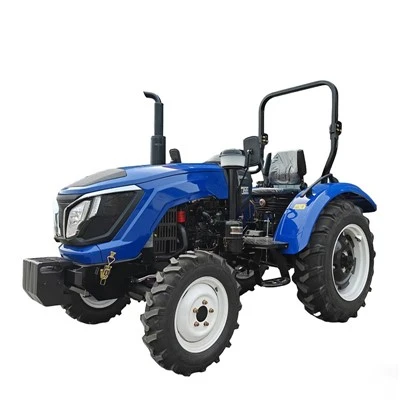
First off, let’s talk soil—because soil’s the backbone of farming, right? Most traditional tillage tools, like those old moldboard plows, do this big, deep turn of the earth that sounds tough but actually rips up all the organic matter that keeps soil healthy. They also compact the surface layer after you drive over it, which kills the tiny microbes, worms, and roots that hold soil together and let water seep in. Sustainable implements, though? Things like no-till drills, precision tillers, and cover crop seeders. These tools skip the deep tilling, or do super shallow tilling only where you need to plant, so the soil structure stays intact. I’ve seen farmers switch from old plows to a no-till drill and cut their soil erosion by like 60% in a single season. Why’s that matter? Eroded soil doesn’t just wash away into rivers and clog them up—it also takes all the nutrients farmers work hard to put in there with it. And those rivers? When that nutrient runoff (think nitrogen and phosphorus from fertilizers) gets in, it causes dead zones—you know, those areas where there’s not enough oxygen for fish and other aquatic life. Using sustainable tillage tools cuts that runoff a ton, which is a win for water quality everywhere.
Next up, fuel use and greenhouse gas emissions. Let’s be real: old farm tools are gas-guzzlers. A traditional tractor pulling a moldboard plow can burn several gallons of gas an hour, all while pumping out CO2 and other greenhouse gases that contribute to climate change. Sustainable implements are built to be way more efficient. For example, precision sprayers—these are the ones that use GPS and sensors to only spray exactly where a weed or pest is, instead of dousing the whole field with chemicals. That not only cuts down on chemical use, but also means the tractor doesn’t have to drive as many miles over the field, so less fuel burned. I had a customer last year who switched their sprayer from a traditional model to a precision one, and they used 40% less herbicide and cut their fuel costs by $1,200 in a single growing season. Even the big-ticket items, like electric tractors or solar-powered irrigation pumps, are becoming way more common these days. Sure, they cost a bit more upfront, but over time, you’re not paying for gas, and if you pair them with solar panels, you’re basically powering your farm for free once the panels are paid off. And let’s not forget—less fuel burned means less air pollution, which is better for farmers, farmworkers, and anyone living nearby. Those old exhaust fumes aren’t just bad for the planet; they can cause respiratory issues, especially for people working in the fields all day.
Water use is another huge one, especially these days with so many areas dealing with drought. Traditional irrigation systems, like flood irrigation, waste so much water—you’re basically dumping water on the whole field, and a lot of it evaporates or runs off before it even reaches the plant roots. Sustainable implements here include things like drip tape irrigation systems, which lay tiny tubes right along the plant rows, dripping water directly to the roots. Or precision pivot sprinklers that use sensors to know exactly when the soil is dry and how much water to apply, so you’re not overwatering. I worked with a corn farmer in the Midwest a couple years ago who switched from flood irrigation to drip tape. He said he cut his water use by 50% in the first year, and his corn yield actually went up by 15% because the water was getting exactly where it needed to be. That’s a double win: saving a precious resource and boosting your crop. Droughts are only getting worse, so being able to use water efficiently isn’t just good for the environment—it’s essential for keeping your farm running when rains don’t come.
Then there’s chemical reduction, which ties into both water and soil health. Traditional farming often relies on blanket applications of fertilizers, herbicides, and pesticides to make sure every plant is covered. But that means a lot of those chemicals end up in places they shouldn’t be—like seeping into groundwater that people drink, or killing beneficial insects like bees and ladybugs that help keep pests in check. Sustainable implements solve this by being precise, like the precision sprayers I mentioned earlier, or variable-rate fertilizer applicators. These tools use soil and plant sensors to test exactly how much nutrient each part of the field needs, so you’re only putting down as much as is needed, not a surplus. One of my regular clients grows vegetables for local markets, and she switched to a variable-rate fertilizer applicator last season. She used 30% less nitrogen fertilizer, and since her veggies were healthier without excess chemicals, she actually got a premium price from her buyers who care about sustainable produce. Plus, she didn’t have to deal with as many pests because she didn’t kill off the beneficial insects—natural pest control is way better than loading up on chemicals.
Wait, let’s not forget about waste reduction too. Old agricultural tools and the way farmers used them used to create so much waste. For example, traditional tillage can break up organic matter that would otherwise stay in the soil, or when you use sprayers that spray too much, you end up with leftover chemicals that have to be disposed of properly, which is a hassle. Sustainable implements help cut down on that waste. Like, no-till farming with the right tools means you leave crop residues (like corn stalks or wheat straw) on the field instead of plowing them under, which adds organic matter to the soil instead of it being wasted or burned (burning crop residues is a huge source of air pollution, by the way). Also, many modern sustainable implements are built to last longer and be repaired easier, so farmers don’t have to replace them as often, which cuts down on the industrial waste from making new tools and disposing of old ones. A lot of farmers I work with say that their new sustainable tillers or seeders have 30% fewer moving parts than the old ones they used, so there’s less that can break, and parts are easier to find when they do need repairs. That’s less waste going to landfills and less money spent on replacements.
I know what some of you are thinking: “This sounds great, but sustainable tools are expensive, right?” Yeah, some of the upfront costs are higher than traditional tools, but let’s do the math. Less fuel, less chemicals, less water, lower maintenance, sometimes higher yields and premium prices for sustainable produce—those add up fast. Most farmers I talk to recoup the extra cost in 2-3 years, and then it’s all savings after that. Also, there are a ton of government grants and programs now that help farmers switch to sustainable agriculture tools, because governments around the world are pushing for more sustainable food systems to fight climate change. I’ve helped a handful of customers apply for these grants, and a lot of them covered 40-60% of the cost of new implements. It’s not as big of a burden as it used to be.
At the end of the day, using sustainable agricultural implements isn’t just about being “eco-friendly”—it’s about making sure farming can keep going for the next generation. The planet is stressed, soil is degrading, water is getting scarce, and old farming practices are only making it worse. I’ve been in this business for 12 years, and I’ve seen farmers struggle with the same issues year after year: high costs, bad yields, and worrying about the environment they’re working on. Switching to sustainable tools doesn’t just fix those environmental problems—it makes their farm more profitable and more resilient.
If you’re a farmer who’s tired of throwing money at fuel and chemicals, or worried about the future of your land, I’d love to chat. We can go over what tools would work best for your specific crops, your land, and your budget, and even help you figure out if you qualify for any of those government grants. No pressure, just honest talk about what works for you and the planet.
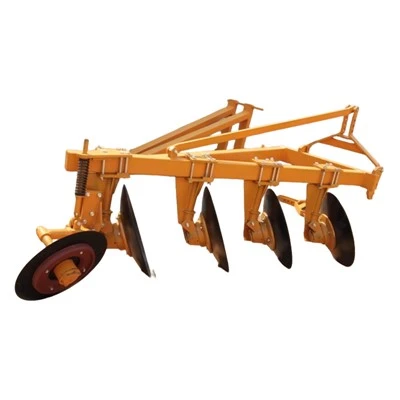
When it comes to sustainable ag, the little switch in tools makes a huge difference. You don’t have to overhaul your whole farm overnight—start with one tool, see the difference, and go from there. That’s how most of my customers got started, and now they’re reaping the benefits: healthier soil, lower costs, cleaner water, and a farm that’s here to stay.
Agricultural Implements References:
FAO. (2022). The State of Food and Agriculture: Leveraging Food Systems for Inclusive and Sustainable Development. Food and Agriculture Organization of the United Nations.
US Environmental Protection Agency. (2023). Sustainable Agriculture: Tools and Practices for Reducing Environmental Impact. EPA.
Rodale Institute. (2021). No-Till Farming: Soil Health, Carbon Sequestration, and Environmental Benefits. Rodale Institute.
National Drought Mitigation Center. (2022). Efficient Irrigation Practices for Water-Stressed Regions. University of Nebraska-Lincoln.
Pimentel, D., et al. (2019). Environmental and Economic Benefits of Precision Agriculture. Journal of Sustainable Agriculture.
Sevol International Trade (Shandong) Co., Ltd.
As one of the most professional agricultural implements manufacturers and suppliers in China, we’re featured by quality products and good price. Please rest assured to buy advanced agricultural implements for sale here from our factory. We also accept customized orders.
Address: 1210, Building 13, No. 13129, Yingqian Street, Liyuan Street, Kuiwen District, Weifang City, Shandong Province
E-mail: Savotrak@163.com
WebSite: https://www.sevol-global.com/
