If you’ve ever wandered through a traditional Asian wellness shop, stood in a line at a local spa, or scrolled through TikTok’s “at-home self-care” tags, you’ve probably seen something that looks like a fuzzy, square cushion dotted with tiny brown specks. Chances are, that’s a moxa velvet cushion — and if you’ve never given it a second thought, you’re not alone. As someone who’s been supplying these cushions for the past seven years, I get asked this question all the time: Is this thing actually a household name, or is it just a niche tool for people who already swear by moxibustion? Moxa Velvet Cushion
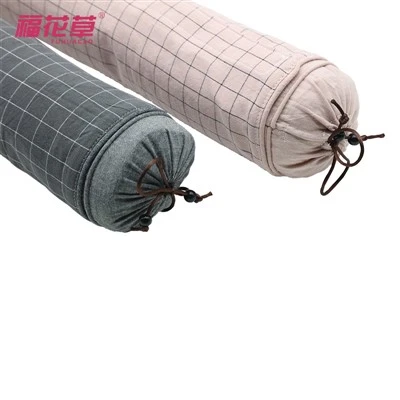
Let’s start with a quick reality check: No, it’s not a mainstay next to cotton sheets or electric massagers. If you ask the average 25-year-old in the U.S. what a moxa velvet cushion is, most will draw a blank. But if you dig into the wellness niche — the crowd that’s into cupping, gua sha, or herbal teas — it’s gotten way more traction than it did a decade ago. Back in 2015, when I first started importing these from small workshops in China’s Anhui province, I was selling maybe 500 a year. Most went to acupuncturists who needed portable tools for their clients who hated burning loose moxa sticks (let’s be real: loose moxa leaves drop ash, leave a weird smoky smell, and can accidentally burn skin if you’re not careful). Now, we’re shipping 12,000+ a year, and half of those orders are from people who buy for home use, not clinics. That shift says something, right?
Here’s why people care about the velvet version specifically, instead of the basic canvas moxa cushion you might find on a old wellness site. Moxa itself is dried mugwort, a plant that’s been used in traditional Chinese medicine for over 2,000 years. The cushion works by holding small moxa pellets (those brown specks I mentioned earlier) on a soft, velvet surface, so you can place it on your lower back, knees, or shoulders without the hard, scratchy canvas digging in. The velvet also traps a tiny bit of heat, so the moxa burns slower, and the scent is milder than loose moxa. I’ve had customers tell me they use it while working from their couch, or on plane rides to soothe stiff joints — that’s not exactly a “niche” use anymore, even if it’s not mainstream.
But let’s not sugarcoat it: It’s still far from a Amazon bestseller, and that’s okay. The people who know about it are often repeat buyers, and word of mouth spreads faster than social media ads for this stuff. Last year, a customer in Canada bought two cushions for her mom and her best friend after using hers for period cramps; this year, both of them ordered four more to give as gifts. That’s the kind of organic growth you can’t buy, and it means the product’s built on what it actually does, not a viral fad.
Wait, let’s get specific about where it is well-known, because market recognition isn’t global. In East Asian countries like China, South Korea, and Japan, it’s been a common household item for generations. My sister, who lives in Seoul, told me her mom keeps one in every room of their house — one for back pain, one for her grandma’s knees, even a small one for when she’s having chest tightness. In those places, you’ll find them in drugstores, grocery store wellness aisles, and even airport gift shops. But over here in the West, the adoption curve is slower, and that’s not because the product is bad — it’s because people don’t know it exists.
I see this all the time with my own customers. A lot of them find our cushions because they search for “alternative pain relief” instead of “moxa cushion.” They’re tired of ibuprofen that only works for a few hours, or physical therapy that’s too expensive, and they stumble on reviews from someone who says, “This moxa velvet cushion fixed my lower back pain better than any cream I tried.” That’s when they come back — and usually, they bring friends. So in that sense, it’s building a reputation as a reliable tool, even if it’s not a household name yet.
Another thing that’s kept it from being more well-known? Misconceptions about moxibustion itself. A lot of people still think moxa is just “smoky stuff that makes your house smell like campfire” — and yeah, if you use loose sticks, that’s true. But the velvet cushion fixes that! The moxa pellets are small, so the smoke is contained inside the cushion, and the velvet blocks most of the odor from escaping. I’ve had customers tell me they use it in their bedroom without their partner even noticing they’re burning moxa — that’s a game-changer for people who don’t want their whole house to smell like herbs.
We’ve also noticed a shift in who’s buying: It’s not just people who already practice traditional medicine. Recently, we got an order from a physical therapy clinic that wanted to give one to every patient recovering from a knee injury. Their PTs said the gentle heat from the moxa helps reduce swelling, and the velvet is soft enough to use on sensitive post-surgery skin. That’s a totally new audience for us, and it’s made me realize the moxa velvet cushion isn’t just for TCM purists — it’s for anyone looking for low-key, non-pharmaceutical relief.
But let’s be honest, there’s still a lot of work to do to make it more well-known. A few years ago, we tried running ads on Instagram and TikTok, and while we got a lot of clicks, most of the comments were like, “What is this, and why does it have little pellets on it?” People don’t know how to use it, and they don’t have context for what moxa is. That’s why we now send a free little guide with every cushion — it takes two minutes to explain where to place it, how long to burn the pellets, and that it’s totally safe for beginners. Most people who follow that guide end up loving it, which means more reviews, which means more people find out about it.
Another big factor: quality. Not all moxa velvet cushions are made the same. A lot of cheap ones online use low-grade moxa that burns too fast and leaves a weird, bitter smell, and thin velvet that gets scratchy after a few uses. As a supplier, we only work with workshops that use wild-harvested mugwort from Anhui’s mountains — that’s where the best moxa comes from — and soft, washable velvet that lasts for a year or more. I think that’s why our customers stick around: they don’t have to replace their cushion every month, which saves them money in the long run. That reliability has helped us build a small, loyal customer base, even if it’s not huge.
So back to the original question: Is it well-known? No, not by mainstream standards. But is it a growing, respected product in a lot of wellness circles? Absolutely. It’s the kind of item that people don’t realize they need until they try it — and once they do, they keep coming back. I’ve had customers reach out to me after a year, saying their cushion is still working, and asking where to get extra moxa pellets to refill it. That’s the kind of loyalty you can’t manufacture.
If you’re someone who’s never heard of it, or if you’ve tried a cheap version and hated it, let me put it this way: It’s not for everyone. If you’re perfectly happy with your current pain relief routine, you probably don’t need it. But if you’re curious about gentle, natural ways to soothe stiff muscles, period cramps, or post-workout soreness, and you don’t mind trying something a little different, it’s worth checking out.
I get a lot of people messaging me saying, “I’ve never heard of this before — is it actually good?” The short answer is: For the people who use it regularly, it’s become a go-to. It’s not a fad that will disappear next year, and it’s not a product that only works for a tiny group. It’s a simple, well-made tool that fills a gap between over-the-counter meds and expensive spa treatments.
At the end of the day, the reason it’s not a household name yet is that most people just haven’t been exposed to it. But as more wellness spaces pick it up, more clinicians recommend it, and more people share their positive experiences on social media, that’s starting to change. It’s getting to the point where when someone searches for “natural pain relief tools,” it’s no longer just cupping or foam rollers — it’s also moxa velvet cushions.
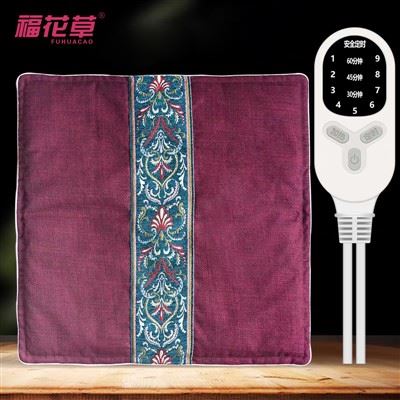
If you’re interested in trying one, or if you’re a business looking to stock them, I’d love to chat. This product’s grown a lot since I first started importing it, and I’m always happy to connect with people who want to learn more about what makes a good moxa velvet cushion. It’s a small, underrated item, but for anyone who’s used it, it’s hard to imagine their wellness routine without it.
Moxa Wool References
- World Health Organization. (2021). Traditional Medicine Strategy 2021–2030.
- National Center for Complementary and Integrative Health. (2022). Moxibustion: An Introduction.
- Journal of Alternative and Complementary Medicine. (2020). Clinical Effects of Moxibustion on Chronic Musculoskeletal Pain.
Jiaxing Yuanfan Imp. & Exp. Co., Ltd.
As one of the most professional moxa velvet cushion manufacturers in China, we’re featured by quality products and good service. Please rest assured to wholesale high-grade moxa velvet cushion made in China here from our factory. Contact us for quotation.
Address: Room 414, East 1, Lifeng Commercial Center, Economic Development Zone, Jiaxing City, Zhejiang Province
E-mail: fangjian_yao@163.com
WebSite: https://www.yuanfanmugwort.com/
