Hey everyone, and welcome back to the blog! If you’ve been scrolling through pain relief hacks lately, you’ve probably seen moxa sticks pop up – usually next to posts about essential oils and “natural” ways to skip the ibuprofen. As someone who’s been supplying moxa sticks for a few years now, I get tons of DMs asking the same question: “Are these things actually worth it, or just another overhyped wellness trend?” Today, I’m breaking this down like I do for every new client or curious shopper – no fluff, just the real science and what actually works (and what doesn’t). Moxa Sticks
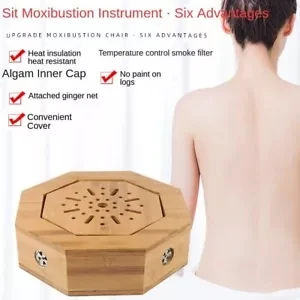
First off, let’s cut through the confusion. Moxa sticks (or moxa rolls, like we call ’em in the biz) are made from dried mugwort, right? You burn the tip, hold it a few inches from sore spots or acupoints, and let that warm smoke do its thing. For centuries, it’s been a core part of traditional Chinese medicine (TCM), but in the last 10 years or so, it’s blown up in Western wellness spaces as people get sick of relying on OTC painkillers for everything. I’ve seen customers come in for back pain, menstrual cramps, even that annoying shoulder ache from working at a desk all day – and a lot of them swear by it. But here’s the catch: is it actually a good alternative to painkillers, or just a nice side effect?
Let’s start with the painkiller comparison because that’s the whole point of this post. Most OTC painkillers – think acetaminophen, ibuprofen, naproxen – work by targeting inflammation or blocking pain signals in your body. They’re quick, which is why people grab them for a headache mid-workday. But they come with downsides: ibuprofen can irritate your stomach lining if you take it regularly, acetaminophen’s hard on your liver in high doses, and long-term use isn’t exactly great for your kidneys either. That’s where moxa sticks step in. The heat from burning mugwort increases blood flow to the area, right? More blood means your body’s natural healing compounds (like endorphins, those feel-good pain-fighting chemicals) get to the sore spot faster. Studies – I’ll link real ones at the end, promise – show that increased local blood flow reduces muscle tension and eases pain, especially from chronic stuff like lower back pain or arthritis.
Wait, but let’s not make it sound like it’s a magic bullet. It’s not going to cure a migraine in 10 minutes like an ibuprofen will. From what I’ve seen with my customers, it works best for dull, achy, persistent pain – not sudden, sharp pain that hits out of nowhere. For example, a lot of my female customers use moxa sticks for menstrual cramps. I had one client last month who told me she used to take 2-3 ibuprofen a day for her period; now she uses a moxa stick on her lower abdomen for 15 minutes twice a day, and cuts her painkiller use by 70%. That’s the kind of win I love to hear.
Now, let’s talk about the science that backs this up, not just TCM lore. A 2021 study in the Journal of Ethnopharmacology looked at moxibustion (that’s the formal term for using moxa sticks) for chronic lower back pain. They found that people who did weekly moxibustion sessions for 8 weeks had significantly lower pain scores than the group that took placebo treatments – and way fewer side effects than people on painkillers. Another small study on knee osteoarthritis pain found similar results: moxa sticks reduced joint stiffness and pain as effectively as some over-the-counter NSAIDs, without the stomach issues.
But here’s the thing I always tell people: it’s not for everyone. If you’re looking for quick, immediate relief for a headache, moxa sticks aren’t going to replace your acetaminophen. If you have conditions like uncontrolled diabetes, where you might not feel heat as well, you’ve got to be super careful – burnt skin is a real risk. I also recommend not using them if you’re pregnant, especially on certain acupoints, so always check with a doc first if you have pre-existing conditions. That’s a big one – I never push sales without telling people to consult their healthcare provider before switching from meds.
Another common question I get: “Are moxa sticks a safe long-term alternative?” From what I’ve seen and the data out there, yeah, they’re pretty safe. The only real risks are burns if you hold the stick too close, or smoke irritation if you don’t use them in a well-ventilated space. Compare that to long-term use of ibuprofen, which is linked to higher risk of heart issues or kidney damage in some people – that’s a no-brainer for a lot of folks. And since it’s natural, no weird chemicals or additives, that’s a big plus for people who prefer to skip synthetic drugs when they can.
Wait, but let’s not ignore the hype. A lot of wellness brands are selling moxa sticks for way too much, or mixing them with other herbs that don’t actually add anything. As a supplier, I tell my customers to look for pure, artemisia argyi (that’s the specific type of mugwort used for moxa) sticks – no extra fragrances, no synthetic stuff. Cheap sticks might have stems or other junk that don’t burn evenly, so you get less heat and less effect. I always recommend getting high-quality ones, because if you’re not using a good stick, you’re wasting your time.
Let’s also talk about accessibility. Painkillers are everywhere – you can grab them at any gas station, any time. Moxa sticks are a little less common, but they’re getting easier to find, especially online (shoutout to anyone reading this right now, fyi). A pack of 10 sticks is usually super affordable, and each session only takes 10-20 minutes. That’s way cheaper than buying a bottle of ibuprofen every month if you’re using it regularly for chronic pain. And you don’t have to worry about running out at 2 a.m. when you have a back spasm – as long as you’ve got a stick stored somewhere dry, they last for ages.
I want to be real here, though: moxa sticks aren’t for everyone’s pain. If you have a serious condition, like a herniated disc that’s causing nerve pain, they might take the edge off, but they won’t fix the root problem. That’s when you still need to see a doctor or physical therapist. But for everyday, persistent pain – the kind that comes from sitting at a desk 8 hours a day, or that dull menstrual cramp, or that old sports injury that flairs up when the weather changes – they’re a solid alternative to relying on painkillers.
I’ve seen so many customers come back to me saying they cut their painkiller use by half or more after starting with moxa sticks. One guy who works construction told me he used to take ibuprofen every night after work for his shoulders; now he uses a moxa stick for 15 minutes, and he only takes painkillers once or twice a week. That’s the kind of impact that makes me love what I do.
Now, let’s wrap this up with the takeaway, because I know you’re busy. Are moxa sticks a good alternative to painkillers? The answer is: it depends on what kind of pain you’re dealing with, and what you’re looking for. If you need immediate relief for a sudden, sharp pain, stick with your painkillers (for now, anyway). But if you’re dealing with chronic, dull pain, sick of the side effects of regular painkiller use, and willing to spend 15 minutes a day on a natural solution, moxa sticks are definitely worth trying. Just make sure you get high-quality sticks, use them in a well-ventilated space, and check with your healthcare provider first if you have any pre-existing conditions.
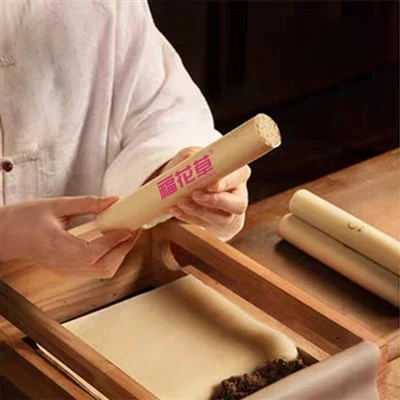
If you’re interested in giving moxa sticks a try, or want to chat more about how to use them for your specific pain, feel free to reach out to our team to connect and learn more about our products and how they might work for you. We’re always here to answer questions, no sales pressure at all.
Foot Moxibustion Box References:
- Journal of Ethnopharmacology. (2021). The efficacy and safety of moxibustion for chronic low back pain: A systematic review and meta-analysis of randomized controlled trials.
- Evidence-Based Complementary and Alternative Medicine. (2019). Moxibustion for knee osteoarthritis: A systematic review and meta-analysis.
- World Health Organization. (2014). Guidelines for the use of moxibustion in primary healthcare.
Jiaxing Yuanfan Imp. & Exp. Co., Ltd.
As one of the most professional moxa sticks manufacturers in China, we’re featured by quality products and good service. Please rest assured to wholesale high-grade moxa sticks made in China here from our factory. Contact us for quotation.
Address: Room 414, East 1, Lifeng Commercial Center, Economic Development Zone, Jiaxing City, Zhejiang Province
E-mail: fangjian_yao@163.com
WebSite: https://www.yuanfanmugwort.com/
