Are raised access floor panels easy to transport? Raised Access Floor Panels

As a supplier of raised access floor panels, I’ve encountered numerous inquiries from clients about the transportation process. This is a crucial aspect for buyers, as the ease of transport can significantly impact the overall cost, project timeline, and the condition of the product upon arrival. In this blog post, I’ll delve into the factors that determine whether raised access floor panels are easy to transport and share some insights based on my experience in the industry.
Understanding Raised Access Floor Panels
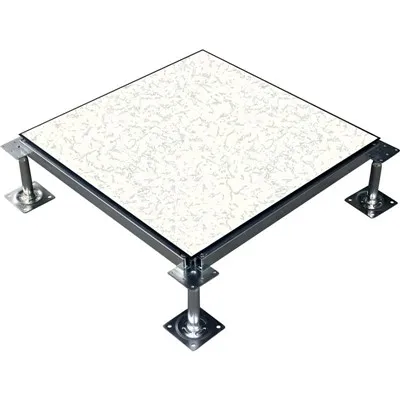
Before discussing transportation, it’s essential to understand what raised access floor panels are. These panels are designed to create a raised floor system, which provides a void space beneath the floor surface. This void is used for various purposes, such as housing electrical wiring, data cables, HVAC ductwork, and plumbing. Raised access floor panels come in different sizes, materials, and designs, each with its own set of characteristics that can affect transportation.
Common materials used for raised access floor panels include steel, aluminum, wood, and cementitious composites. Steel and aluminum panels are lightweight and durable, making them relatively easy to handle during transportation. Wood panels, on the other hand, are heavier and more prone to damage if not properly protected. Cementitious composite panels are the heaviest and require more care during handling and transport.
Factors Affecting the Ease of Transportation
Panel Dimensions and Weight
The size and weight of the raised access floor panels are the primary factors that determine their ease of transportation. Larger and heavier panels are more difficult to handle, load, and unload. They may also require specialized equipment, such as forklifts or cranes, to move them around. Additionally, the weight of the panels can impact the shipping cost, as heavier loads generally result in higher transportation fees.
Most standard raised access floor panels are available in sizes ranging from 600mm x 600mm to 1200mm x 1200mm. These sizes are relatively easy to manage and can be transported using standard shipping methods. However, larger custom-sized panels may pose challenges, as they may not fit easily into standard shipping containers or trucks.
Packaging and Protection
Proper packaging is crucial to ensure that raised access floor panels are protected during transportation. Panels are typically packaged in bundles or crates to prevent them from shifting or getting damaged during transit. The packaging materials used should be sturdy and able to withstand the rigors of transportation.
For example, steel or aluminum panels can be packaged in wooden crates with foam padding to protect them from scratches and dents. Wood panels may require additional protection, such as plastic sheathing or wrapping, to prevent moisture damage. Cementitious composite panels are often packaged in heavy-duty cardboard boxes with corner protectors to prevent cracking or chipping.
Shipping Method
The choice of shipping method can also affect the ease of transporting raised access floor panels. There are several options available, including road, rail, air, and sea freight. Each method has its own advantages and disadvantages, and the choice will depend on factors such as the distance, quantity of panels, and delivery timeline.
Road freight is the most common method for transporting raised access floor panels, especially for local or regional deliveries. It offers flexibility and relatively fast delivery times. However, it may be limited by the size and weight of the panels, as well as traffic conditions.
Rail freight is a cost-effective option for long-distance transportation, especially for large quantities of panels. It is also more environmentally friendly than road freight. However, it may require additional handling and transfer at rail terminals, which can increase the risk of damage.
Air freight is the fastest option for transporting raised access floor panels, but it is also the most expensive. It is typically used for urgent or high-value shipments. However, the size and weight restrictions of air freight may limit its suitability for large or heavy panels.
Sea freight is the most economical option for international shipments of raised access floor panels. It can handle large quantities of panels and is suitable for long-distance transportation. However, it has longer delivery times and may require additional documentation and customs clearance.
Handling and Installation Requirements
The ease of handling and installation of raised access floor panels can also impact their transportation. Panels that are easy to assemble and install on-site can reduce the need for specialized labor and equipment, which can make transportation and installation more efficient.
For example, some raised access floor panels are designed with a click-on or interlocking system, which allows them to be easily installed without the need for adhesives or screws. This type of system not only makes installation faster and easier but also reduces the risk of damage during transportation.
Tips for Easy Transportation
Based on my experience as a supplier of raised access floor panels, I’ve compiled some tips to make the transportation process as easy as possible:
- Choose the Right Panel Size and Material: Select panels that are suitable for your transportation needs. Consider the weight, dimensions, and durability of the panels, as well as the shipping method you plan to use.
- Invest in Proper Packaging: Ensure that the panels are packaged securely to protect them from damage during transportation. Use high-quality packaging materials and follow the manufacturer’s recommendations for packaging.
- Plan Ahead: Coordinate with your shipping provider well in advance to ensure that they have the necessary equipment and resources to handle your shipment. Provide them with accurate information about the size, weight, and quantity of the panels, as well as the delivery address and timeline.
- Inspect the Panels Before Shipping: Before shipping the panels, inspect them carefully to ensure that they are in good condition. Look for any signs of damage or defects and address them before shipping.
- Provide Clear Instructions: Provide clear instructions to your shipping provider and the installation team on how to handle and install the panels. This can help prevent damage and ensure that the installation process goes smoothly.
Conclusion
In conclusion, raised access floor panels can be relatively easy to transport if the right factors are considered. By choosing the appropriate panel size and material, investing in proper packaging, selecting the right shipping method, and following the tips outlined above, you can ensure that your panels arrive at their destination in good condition and on time.
If you’re in the market for raised access floor panels and have any questions about transportation or other aspects of the product, please don’t hesitate to contact us. We’re here to provide you with the information and support you need to make the right decision for your project. Whether you’re a contractor, architect, or facility manager, we can help you find the perfect raised access floor solution for your needs. Contact us today to discuss your requirements and get a quote.
Raised Access Floor Systems References
- "Raised Access Floors: A Comprehensive Guide." Building Design + Construction.
- "Best Practices for Transporting Building Materials." Construction Industry Institute.
- "Packaging and Shipping Guidelines for Industrial Products." International Safe Transit Association.
Fineco Tech Co., Ltd.
As one of the most professional raised access floor panels manufacturers and suppliers in China, we’re featured by quality products and good service. Welcome to wholesale customized raised access floor panels made in China here from our factory. If you have any enquiry about cooperation, please feel free to email us.
Address: Wuyue Square, Wujin District, Changzhou, Jiangsu, China
E-mail: info@finecotech.com
WebSite: https://www.finecoglobal.com/
