Hey there! I’m stoked to share with you all about how Continuous Glucose Monitoring (CGM) works. As a CGM supplier, I’ve seen firsthand the amazing impact these devices have on people’s lives. So, let’s dive right in! CGM
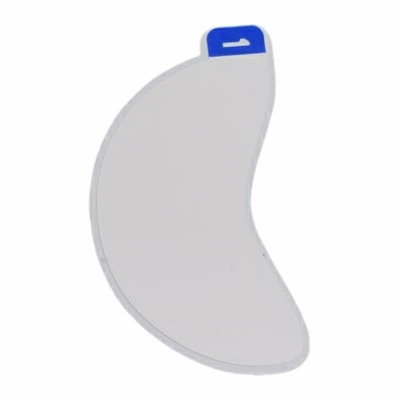
The Basics of CGM
First off, what exactly is CGM? Well, it’s a system that allows you to keep tabs on your blood glucose levels in real – time throughout the day and night. Unlike traditional finger – stick blood glucose testing, which only gives you a single snapshot of your blood sugar at a specific moment, CGM provides continuous data. This is super important because it helps you and your healthcare team understand how your blood sugar fluctuates over time.
Components of a CGM System
A CGM system typically consists of three main parts: the sensor, the transmitter, and the receiver or a connected device.
The sensor is the part that gets inserted just under your skin, usually on your abdomen or upper arm. It’s a thin, flexible filament that has a special enzyme on it. This enzyme reacts with the glucose molecules in your interstitial fluid, which is the fluid that surrounds your cells. When glucose comes in contact with the enzyme, a chemical reaction occurs, generating a small electrical current.
The transmitter is attached to the sensor. Its job is to pick up that electrical current from the sensor and convert it into a glucose reading. It then wirelessly sends this reading to the receiver or a paired device every few minutes.
The receiver can be a small handheld device or your smartphone if the CGM system is compatible. On the receiver or your phone, you can see your current blood glucose level, how it’s trending (whether it’s going up, down, or staying stable), and even a graph showing your glucose levels over time.
How the Sensor Works
Let’s take a closer look at the sensor. The key to its operation is that special enzyme I mentioned earlier. Most CGM sensors use an enzyme called glucose oxidase. When glucose in your interstitial fluid diffuses through a membrane on the sensor and reaches the glucose oxidase, the following reaction happens:
Glucose + O₂ (with the help of glucose oxidase) → Gluconolactone + H₂O₂
The hydrogen peroxide (H₂O₂) produced in this reaction is then measured by an electrode on the sensor. The amount of H₂O₂ is proportional to the amount of glucose in your interstitial fluid. The electrode converts this chemical information into an electrical signal, which is sent to the transmitter.
It’s important to note that the glucose levels in your interstitial fluid are slightly different from the glucose levels in your blood. There’s usually a small time lag, around 5 – 15 minutes. But CGM systems are calibrated to account for this difference as much as possible so that the readings are as accurate as they can be compared to your actual blood glucose levels.
Calibration
Calibration is a crucial step in getting accurate CGM readings. In the past, most CGM systems required regular calibration using a traditional finger – stick blood glucose meter. You’d take a finger – stick test and then enter that value into your CGM receiver. The CGM system would then use that information to adjust its readings.
However, modern CGM systems are much more advanced. Some are factory – calibrated and don’t require any user calibration at all. These systems use algorithms and other technologies to provide accurate readings without the need for frequent finger – sticks. This is a game – changer for many people, as it makes using a CGM much more convenient.
Data Analysis and Benefits
Once you have your CGM data on your receiver or phone, you can start analyzing it. You can look at things like your average blood glucose level over a certain period, the time spent in target range (the ideal blood glucose range for you), and the frequency of high and low blood sugar episodes.
This data is incredibly valuable. For people with diabetes, it can help them make better decisions about their diet, exercise, and medication. If you see that your blood sugar spikes every time you eat a certain type of food, you can adjust your diet accordingly. Or if you notice that your blood sugar drops after a workout, you can plan ahead and have a snack to prevent a low.
CGM also helps healthcare providers. They can review your CGM data during your appointments and get a much more comprehensive picture of your diabetes management. This allows them to make more informed decisions about adjusting your treatment plan.
Accuracy and Limitations
While CGM technology has come a long way, it’s not perfect. There can be some variability in the accuracy of the readings. Factors like improper sensor insertion, extreme temperatures, and certain medications can affect the accuracy of the results.
It’s also important to remember that CGM readings are an estimate of your blood glucose levels. In some situations, like during rapid blood sugar changes or when you’re sick, the CGM readings may not be as precise as a finger – stick test. That’s why it’s still recommended to use finger – stick blood glucose testing for important decisions like adjusting insulin doses.
Our Role as a CGM Supplier
As a CGM supplier, we play a vital role in making sure you get the most out of your CGM system. We provide high – quality CGM products that are designed to be accurate, reliable, and easy to use. We also offer customer support to help you with any questions or issues you might have.
We work closely with healthcare providers to ensure that they understand the benefits of CGM and can recommend the right system for their patients. Our team is always on the lookout for new technologies and improvements in CGM to make sure we’re offering the best products on the market.
Why Choose Our CGM Products?
Our CGM products are designed with you in mind. They’re lightweight and discreet, so you can wear them comfortably throughout the day without anyone even noticing. The sensors are easy to insert, and the transmitters are long – lasting.
We also offer seamless connectivity with your smartphone. You can easily view your CGM data on your phone, share it with your healthcare team, and even set up alerts for high and low blood sugar levels. Our user – friendly app makes it simple to analyze your data and take control of your diabetes management.
Connect with Us for Purchasing and Discussions
If you’re interested in learning more about our CGM products or are thinking about getting a CGM system for yourself or a loved one, we’d love to have a chat. Whether you’re a healthcare provider looking for a reliable CGM solution for your patients or an individual with diabetes wanting to improve your blood sugar management, we’re here to help.
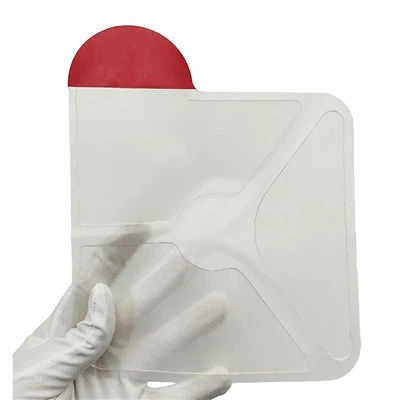
Blank Medicated Adhesive Patches Don’t hesitate to reach out and start a conversation with us. We’re ready to answer all your questions, provide detailed product information, and guide you through the purchasing process. Let’s work together to make managing your blood glucose levels easier and more effective.
References
- American Diabetes Association. (2023). Continuous Glucose Monitoring.
- Diabetes Technology Society. (2022). Improving the Accuracy of Continuous Glucose Monitoring Systems.
- International Diabetes Federation. (2022). Use of Continuous Glucose Monitoring in Diabetes Management.
Shenzhen Omori Biological Technology Co., Ltd.
We’re well-known as one of the leading CGM manufacturers and suppliers in China. We warmly welcome you to wholesale high quality CGM made in China here from our factory. If you have any enquiry about customized service, please feel free to email us.
Address: Floor4, No43, Langkou Industrial park, Dalang Street, Longhua District, Shenzhen City, Guangdong Province, China
E-mail: wya@omorimed.com
WebSite: https://www.omorimed.com/
