When it comes to the operation of an SF6 analyzer, one of the most critical factors to consider is its operating temperature range. As a well – known supplier of SF6 analyzers, I’ve witnessed firsthand how temperature can significantly influence the performance, accuracy, and longevity of these sophisticated devices. SF6 Analyzer
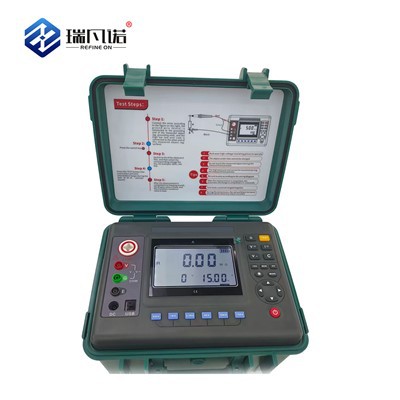
The science behind the operation of an SF6 analyzer is rather complex. These analyzers are designed to detect and measure the concentration of sulfur hexafluoride (SF6) in the air, which is essential for a variety of applications, especially in the electrical power industry. SF6 is widely used as an insulating and arc – quenching medium in high – voltage switchgear and other electrical equipment. Accurate and reliable SF6 analysis helps ensure the safety and efficiency of these systems.
How Temperature Affects SF6 Analyzers
The operating temperature of an SF6 analyzer can have multiple effects. First and foremost, it impacts the sensor’s performance. Most SF6 analyzers use sensors that rely on specific physical or chemical reactions to detect SF6. At low temperatures, the chemical reactions may slow down, and the physical properties of the materials within the sensor can change, leading to a decrease in sensitivity. For example, the electrolyte in some electrochemical sensors may become more viscous at low temperatures, which can impede the flow of ions and thus reduce the sensor’s output signal.
On the other hand, high temperatures can also be problematic. Excessive heat can cause the materials in the sensor to degrade more rapidly. The polymers used in some sensors may start to break down, and the electronic components can malfunction. High temperatures can also increase the noise level in the measurement, making it more difficult to accurately determine the SF6 concentration.
Typical Operating Temperature Ranges
The typical operating temperature range for most SF6 analyzers lies between – 20°C and 50°C. This range has been established based on extensive research and testing to ensure the optimal performance of the sensors and the overall analyzer.
For applications in colder environments, such as outdoor electrical substations in winter or in high – altitude areas, an analyzer with a lower operating temperature limit is essential. Our company offers a series of SF6 analyzers that can operate at temperatures as low as – 40°C. These analyzers are equipped with advanced heating systems and temperature – compensated sensors. The heating system helps maintain the sensor at an appropriate temperature, ensuring that the chemical and physical reactions proceed at a consistent rate. The temperature – compensated sensors are designed to self – adjust for changes in temperature, reducing the impact of cold on the measurement accuracy.
In contrast, for regions with hot climates or for applications where the analyzer is exposed to high – temperature sources, an analyzer that can withstand high temperatures is necessary. Our high – temperature – resistant SF6 analyzers can operate up to 60°C. These models feature heat – resistant materials in the sensor and the electronic circuitry. They also have enhanced cooling mechanisms, such as fans or heat sinks, to dissipate the excess heat and prevent overheating.
Testing and Quality Assurance
To guarantee the reliability of our SF6 analyzers within the specified temperature range, we conduct rigorous testing. Each analyzer undergoes temperature cycling tests in a climate – controlled chamber. The chamber can simulate a wide range of temperatures, from extremely cold to very hot conditions. During the test, the analyzer is continuously monitored for its performance. We measure parameters such as the response time, accuracy, and repeatability of the SF6 measurement at different temperatures.
In addition to temperature cycling tests, we also perform long – term stability tests at different temperatures. The analyzers are left operating in the climate – controlled chamber for extended periods to evaluate how their performance changes over time. This helps us identify any potential issues related to temperature – induced degradation of the sensor or other components.
Case Studies
Let me share a few real – world examples of how the operating temperature range of our SF6 analyzers has made a difference. In a large – scale wind power project in a northern region, the outdoor temperature frequently dropped below – 20°C during the winter. The customer initially used a standard SF6 analyzer, but they found that the measurement results were inconsistent and inaccurate in the cold weather. After switching to our low – temperature – resistant SF6 analyzer, they were able to obtain reliable data on the SF6 concentration in their electrical equipment. This not only improved the safety of their power generation system but also reduced the maintenance cost.
In another case, a power distribution station in a tropical country was experiencing high ambient temperatures, often exceeding 40°C. The original SF6 analyzer they used started to show signs of malfunction, such as false alarms and erratic readings. Our high – temperature – resistant SF6 analyzer was installed, and it provided stable and accurate measurements even in the harsh heat, ensuring the smooth operation of the power station.
Choosing the Right SF6 Analyzer Based on Temperature
When selecting an SF6 analyzer, it is crucial to consider the environmental temperature conditions where the device will be used. First, you need to determine the minimum and maximum temperatures that the analyzer will encounter. This may require collecting historical temperature data for the installation site. If the temperature varies widely throughout the year, you should choose an analyzer with a wide operating temperature range.
You also need to consider the duration of exposure to extreme temperatures. If the analyzer will only be exposed to extreme cold or heat for short periods, a standard model may be sufficient. However, if it will be operating in extreme temperatures for extended periods, a specialized analyzer designed for these conditions is necessary.
Why Choose Our SF6 Analyzers
As a trusted SF6 analyzer supplier, we take pride in offering high – quality products with a wide operating temperature range. Our products are developed using the latest technologies and highest – quality components. We have a team of experienced engineers and technicians who are dedicated to improving the performance of our analyzers in different temperature environments.
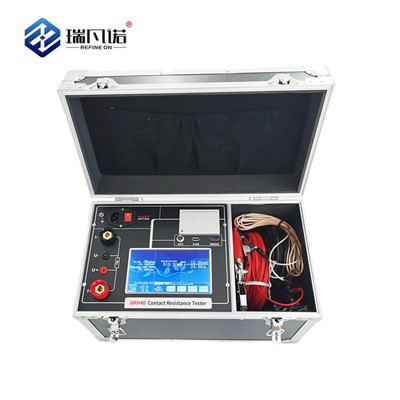
In addition to the excellent product quality, we also provide comprehensive after – sales service. Our technical support team is available 24/7 to answer any questions you may have about the operation and maintenance of the analyzers. We also offer regular calibration services to ensure the long – term accuracy of the measurements.
Partial Discharge Tester If you are in the market for an SF6 analyzer and need to ensure reliable operation in various temperature conditions, we would be more than happy to assist you. Whether you are involved in the electrical power industry, environmental monitoring, or other related fields, our range of SF6 analyzers can meet your specific needs. Contact us today to start a discussion about your requirements, and let us help you find the perfect SF6 analyzer solution for your application.
References
- [Author 1], [Title 1], [Publisher], [Year of Publication]
- [Author 2], [Title 2], [Publisher], [Year of Publication]
- [Author 3], [Title 3], [Publisher], [Year of Publication]
Refine On (Hebei) Electric Power Technology Co., Ltd.
Refine On (Hebei) Electric Power Technology Co., Ltd. is one of the most reliable sf6 analyzer manufacturers and suppliers in China, also supports customized service. Please feel free to wholesale advanced sf6 analyzer at competitive price from our factory. Contact us for quotation.
Address: Building 13, Liandong U Valley, No.64, Jing SAN South Street, Economic Development Zone, Mancheng District, Baoding City, China
E-mail: victor@transformer-test.com
WebSite: https://www.transformer-test.com/
