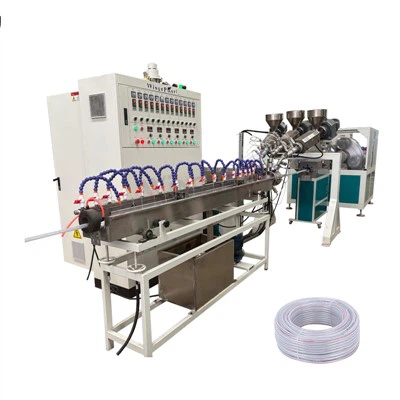
Adjusting the pipe-bending radius of the PE Microduct Bundle Pipe COD Pipe Machine is a crucial task that can significantly impact the quality and utility of the final product. As a supplier of these advanced machines, I’ve encountered numerous inquiries regarding this adjustment process. In this blog, I’ll share in-depth insights and practical steps to help you properly adjust the pipe-bending radius of your PE Microduct Bundle Pipe COD Pipe Machine. PE Microduct Bundle Pipe COD Pipe Machine
Understanding the Importance of Pipe-Bending Radius
The pipe-bending radius determines the curvature of the PE microduct bundle pipe. A proper bending radius is essential for several reasons. Firstly, it ensures the structural integrity of the pipe. If the bending radius is too small, it can cause the pipe to kink or even rupture, weakening its overall strength and reliability. Secondly, the bending radius affects the installation process. Pipes with an appropriate bending radius are easier to install in various environments, whether it’s underground, in buildings, or along telecommunications routes. Thirdly, a correct bending radius can optimize the flow capacity inside the microducts, which is vital for applications such as fiber optic cable installation.
Factors Affecting the Pipe-Bending Radius
Before diving into the adjustment process, it’s crucial to understand the factors that influence the pipe-bending radius.
- Material Properties: The physical and chemical properties of the PE material play a significant role. Different grades of polyethylene have different levels of flexibility and stiffness. Higher-density PE materials tend to be stiffer and require a larger bending radius compared to lower-density ones.
- Pipe Dimensions: The outer diameter and wall thickness of the PE microduct bundle pipe affect its bending characteristics. Thicker-walled pipes generally need a larger bending radius to avoid cracking or deformation.
- Machine Settings: The settings of the COD Pipe Machine, such as the speed of the bending mechanism, the temperature of the heating system (if it’s a hot bending process), and the pressure exerted during bending, can all impact the achievable bending radius.
Pre – adjustment Preparations
Before making any adjustments to the machine, it’s essential to take the following preparatory steps:
- Inspect the Machine: Check all the components of the PE Microduct Bundle Pipe COD Pipe Machine for any signs of wear, damage, or misalignment. This includes the bending dies, rollers, and the heating elements. Replace any worn – out parts to ensure the machine operates smoothly.
- Review the Material Specifications: Refer to the technical data sheet of the PE material you are using. This will provide information on the recommended bending radius based on the material’s properties and dimensions.
- Clean the Machine: Remove any debris, dust, or residues from the machine, especially around the bending area. A clean machine will ensure accurate adjustments and prevent contamination of the pipes.
Step – by – Step Adjustment Process
- Select the Appropriate Bending Die: The bending die is a key component that determines the bending radius. Our company offers a variety of bending dies with different radii to meet your specific requirements. Select a die that matches the desired bending radius for your PE microduct bundle pipes. Install the selected die onto the machine following the manufacturer’s instructions. Make sure it is properly aligned and securely fastened.
- Adjust the Heating Temperature (if applicable): For some bending processes, heating the pipe can make it more flexible and easier to bend. If your COD Pipe Machine has a heating system, set the temperature according to the material’s requirements. Generally, higher temperatures can reduce the required bending force but may also cause the material to deform if the temperature is too high. Monitor the temperature closely during the bending process.
- Set the Bending Speed: The speed at which the pipe is bent can also affect the bending radius. A slower bending speed allows for more precise control and reduces the risk of kinking or cracking. Start with a relatively slow speed and gradually increase it if necessary. Adjust the speed settings on the machine’s control panel according to the material and the desired bending radius.
- Adjust the Pressure: The pressure applied during bending is crucial for achieving the correct radius. Too much pressure can cause the pipe to flatten or rupture, while too little pressure may result in an insufficient bend. Use the pressure adjustment mechanism on the machine to set the appropriate pressure level. You may need to conduct a few test bends and make minor adjustments to find the optimal pressure.
- Conduct Test Bends: Once you have made the initial adjustments, perform a few test bends using scrap pieces of the PE microduct bundle pipe. Measure the bending radius of the test pipes using a suitable measuring tool, such as a radius gauge. Compare the measured radius with the desired radius. If there is a significant difference, make further adjustments to the machine settings, such as the bending die, temperature, speed, or pressure.
- Fine – tune the Adjustments: Based on the results of the test bends, make fine – adjustments to the machine settings. This may involve making small changes to the pressure, speed, or heating temperature. Repeat the test bends until you achieve the desired bending radius consistently.
Troubleshooting Common Issues
During the adjustment process, you may encounter some common issues. Here are some solutions:
- Kinking or Cracking: If the pipe kinks or cracks during bending, it may be due to a too – small bending radius, excessive pressure, or improper heating. Check the bending die, reduce the pressure, and adjust the heating temperature if necessary.
- Inconsistent Bending Radius: Inconsistent bending radii can be caused by uneven pressure distribution, worn – out components, or improper material handling. Check the machine components for wear and ensure that the pipe is fed into the machine evenly.
- Flattening of the Pipe: Flattening of the pipe may occur if the pressure is too high or the bending die is not compatible with the pipe. Reduce the pressure and ensure that the correct bending die is used.
Quality Control After Adjustment
After successfully adjusting the pipe – bending radius, it’s important to implement quality control measures. Inspect the bent pipes regularly using non – destructive testing methods, such as visual inspection, ultrasonic testing, or X – ray inspection. Check for any signs of damage, deformation, or inconsistencies in the bending radius. Keep records of the inspection results to track the quality of the manufactured pipes over time.
Cost – effectiveness and Efficiency
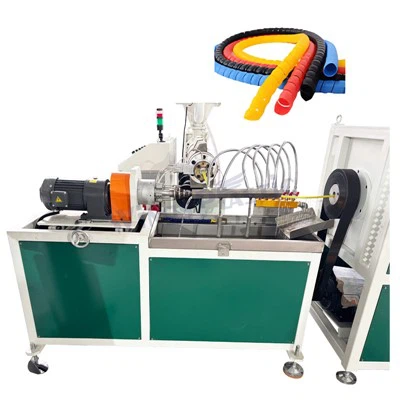
Proper adjustment of the pipe – bending radius can improve the cost – effectiveness and efficiency of your production process. By achieving the correct bending radius, you can reduce material waste due to kinked or damaged pipes. Additionally, pipes with the appropriate bending radius are easier to install, which can save installation time and labor costs. Moreover, a well – adjusted machine operates more efficiently, reducing energy consumption and maintenance requirements.
Conclusion
PPR Pipe Machine Adjusting the pipe – bending radius of the PE Microduct Bundle Pipe COD Pipe Machine requires a thorough understanding of the machine, the material properties, and the bending process. By following the steps outlined in this blog and conducting proper quality control, you can ensure that your pipes meet the required specifications and are of high quality. As a supplier of PE Microduct Bundle Pipe COD Pipe Machines, we are committed to providing you with the best products and technical support. If you have any questions or need further assistance regarding the adjustment of the pipe – bending radius or any other aspects of our machines, please feel free to contact us to initiate a purchase and negotiation.
References
- "Plastic Pipe Engineering Handbook"
- Technical manuals provided by the PE material manufacturers.
- Industry – specific standards and guidelines for PE microduct bundle pipes.
Qingdao Wings Plastic Technology Co., Ltd.
As one of the most experienced pe microduct bundle pipe cod pipe machine manufacturers and suppliers in China, we also support customized service. Please feel free to buy durable pe microduct bundle pipe cod pipe machine made in China here from our factory. For price consultation, contact us.
Address: C02 Of Anshengyi Road, No.2 Fuan Industry Zone,Jiaodong Town, Jiaozhou City, Qingdao City, Shandong Province,China
E-mail: kelly@wingsplastic.com
WebSite: https://www.wingsextruder.com/
