Hey there! I’m a supplier of medical adhesives, and today I want to chat about something super important in our field: the solubility of medical adhesives. Medical Adhesive
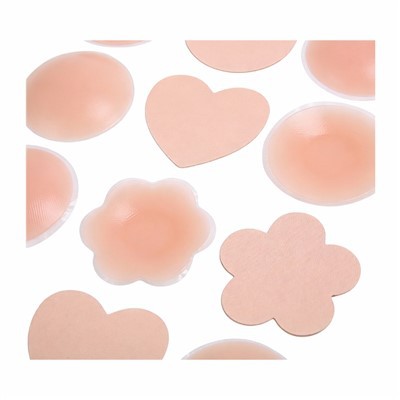
So, what exactly is solubility when it comes to medical adhesives? Well, solubility refers to the ability of a substance to dissolve in a particular solvent. In the case of medical adhesives, it’s about how well they dissolve in body fluids or other relevant solvents. This property is crucial because it can have a big impact on how the adhesive works and its overall performance in medical applications.
Let’s start by looking at why solubility matters. In many medical scenarios, we need adhesives that can either dissolve over time or stay intact for a certain period. For example, in wound closure, an adhesive that can dissolve gradually as the wound heals can be a game – changer. It eliminates the need for a separate removal process, which can be painful for the patient. On the other hand, in some cases like dental adhesives, we want an adhesive that remains insoluble to provide long – term stability.
There are different types of medical adhesives, and their solubility characteristics vary widely. Some adhesives are designed to be water – soluble. These are often used in applications where the adhesive needs to break down and be removed easily. For instance, in some temporary medical patches, a water – soluble adhesive allows the patch to be removed simply by washing it with water. This is great for patients who may need to change the patch frequently or for those with sensitive skin.
Then there are adhesives that are insoluble in water but may dissolve in other solvents. For example, some adhesives used in orthopedic applications are designed to be resistant to water but can be dissolved in specific organic solvents. This is useful when the adhesive needs to be removed during a follow – up procedure or in case of an emergency.
Now, let’s talk about how we test the solubility of medical adhesives. We usually use standard laboratory tests. One common method is to immerse a sample of the adhesive in a specific solvent for a set period. We then measure the amount of the adhesive that has dissolved over time. This gives us an idea of how soluble the adhesive is in that particular solvent.
But it’s not just about the solubility itself; we also need to consider the rate of solubility. A fast – dissolving adhesive may be ideal for some applications, like a quick – release bandage. However, in other cases, a slow – dissolving adhesive is better. For example, in drug – delivery systems, we want the adhesive to release the drug gradually over time. So, controlling the rate of solubility is a key aspect of adhesive design.
Another factor that affects solubility is the chemical composition of the adhesive. Different polymers and additives can change how an adhesive behaves in a solvent. For example, adding certain plasticizers can increase the solubility of an adhesive, while cross – linking agents can make it more insoluble. As a supplier, we spend a lot of time researching and developing adhesives with the right chemical composition to meet the specific solubility requirements of different medical applications.
We also need to think about the environment in which the adhesive will be used. Body fluids, such as blood, saliva, and interstitial fluid, have different chemical properties. An adhesive that is soluble in one type of body fluid may not be soluble in another. For example, saliva has a different pH and composition compared to blood. So, when designing medical adhesives, we need to take into account the specific environment where they will be used.
Now, let’s get into some real – world applications. In surgical procedures, adhesives are often used to close incisions. A soluble adhesive can be a great alternative to traditional sutures. It can provide a strong seal during the initial healing process and then gradually dissolve as the wound heals. This reduces the risk of infection and scarring, and it’s more comfortable for the patient.
In the dental field, adhesives are used to bond fillings, crowns, and orthodontic appliances. Here, we need adhesives that are insoluble to ensure long – term stability. However, in some cases, like temporary dental restorations, a soluble adhesive may be preferred.
As a medical adhesive supplier, we understand the importance of solubility in different medical applications. We offer a wide range of adhesives with different solubility properties to meet the diverse needs of our customers. Whether you’re a medical device manufacturer, a surgeon, or a dentist, we have the right adhesive for you.
If you’re in the market for medical adhesives and want to learn more about our products, don’t hesitate to reach out. We’re always happy to have a chat about your specific requirements and how our adhesives can fit into your medical applications. We can provide samples for you to test and see for yourself how our products perform.
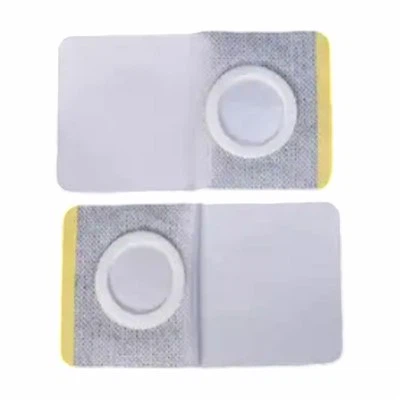
So, if you’re interested in discussing your medical adhesive needs, whether it’s about solubility or other properties, just drop us a line. We’re here to help you find the best adhesive solution for your medical projects.
CGM References:
- "Medical Adhesives: Science and Technology" by various authors
- Journal of Biomedical Materials Research
Shenzhen Omori Biological Technology Co., Ltd.
We’re well-known as one of the leading medical adhesive manufacturers and suppliers in China. We warmly welcome you to wholesale high quality medical adhesive made in China here from our factory. If you have any enquiry about customized service, please feel free to email us.
Address: Floor4, No43, Langkou Industrial park, Dalang Street, Longhua District, Shenzhen City, Guangdong Province, China
E-mail: wya@omorimed.com
WebSite: https://www.omorimed.com/
