If you’ve ever stood in my showroom, wiping down a row of powder-coated steel hose reels that we built in our small Ohio workshop, you’ve probably asked me one version of this question at least once: “Can I use this thing for my irrigation system?” It’s not a silly question. Most people picture hose reels as the thing at the edge of the yard that holds a 50-foot rubber hose for washing cars or hosing off the patio. Irrigation systems, by contrast, feel big, permanent, and buried under sod—like something you only call a landscaper to install, not something you’d rig up with a spool and a crank. But after 12 years selling these reels to farmers, small-scale growers, backyard homesteaders, and even municipal park crews, I’m here to tell you: the answer isn’t a straight yes or no. It’s a depending on what you’re irrigating, how much water you need, and how hard you’re willing to work to make it fit your space. Hose Reel
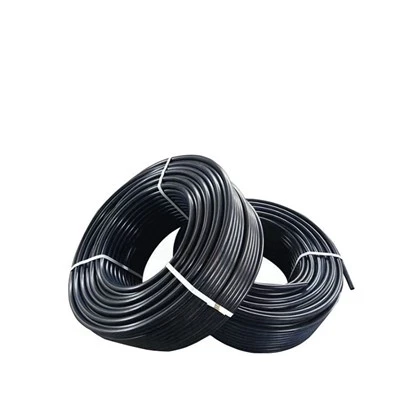
Let’s start with the basics, because a lot of the confusion comes from people mixing up two very different types of irrigation systems: the permanent underground kind that feeds sprinklers across an entire field, and the mobile, targeted kind that you move around a bed or a row of plants. A traditional irrigation system relies on a fixed pipe network, buried deep enough to avoid digging, hooked up to a well or a municipal line with consistent pressure. A hose reel, on the other hand, is mobile by design. It’s built to hold the hose neatly, keep it from kinking, and let you reel it out or back up without wrestling with 100 feet of tangled rubber. So if your idea of an irrigation system is moving water to where it’s needed, not just where you plopped the pipe, a hose reel isn’t just a replacement—it might be a better, cheaper option for a lot of people.
But here’s the catch: not all hose reels are created equal. The reels we sell at our shop aren’t the flimsy plastic ones you pick up at the big box store for $20. Those are fine for a garden hose, but if you try to run 100 feet of half-inch pipe through one of those, it’ll break within a month. We build our reels with thick steel frames, stainless steel axles, and locking mechanisms that let you crank the hose out slowly without it slipping or stretching. And the hose itself? We pair every reel with a heavy-duty, burst-resistant hose rated for up to 300 PSI—more than enough for standard residential or small farm water lines. That pressure rating is non-negotiable, by the way. If your well runs at 40 PSI, and your sprinkler needs 20 PSI to work right, you don’t want a hose that’s going to expand or burst under that pressure. Our hoses also have a nylon reinforcement layer inside, which means they don’t kink when you reel them back up, and they last three times longer than the generic stuff.
Now, who is this actually good for? Let’s start with small-scale market gardeners. A lot of the growers who come to us with 1 to 5 acres of vegetables don’t need a full permanent irrigation system. They plant rows of tomatoes, lettuce, and cucumbers that are 10 or 15 feet apart, and they need to water only those rows, not the entire field. A hose reel lets them connect the reel to a spigot at the edge of their property, crank out 200 feet of hose, and drag a sprinkler or a soaker hose along each row. No digging, no pipes to freeze in the winter, no expensive installation. One grower I sold a reel to last year had been using a $50 plastic hose and a bunch of random hooks to string hose across his rows, and he was replacing his hose every six months because it kinked and cracked. Now he reels the hose up after every use, stores the reel in his shed, and that same hose is still going strong two years later. He told me he saved over $1,000 that year by not hiring a landscaper to put in a permanent system.
Then there are home gardeners and homesteaders. If you have a backyard vegetable garden, a few fruit trees, and maybe a raised bed herb garden, a hose reel is perfect. I have a 1/2 acre backyard, and I use the same reel to water my tomatoes, my two pear trees, and even the front lawn in dry spells. The best part? You can adjust the amount of water you use. If I only need to water the herb bed, I reel out 25 feet of hose, put a soaker hose along the beds, and run the water for 30 minutes. If I need to water the front lawn, I crank out 75 feet, attach a oscillating sprinkler, and run it for an hour. No waste, no overwatering, no dragging a heavy hose around the yard and tripping over it. I used to have a hose that was always lying across my sidewalk, and my kids would trip over it every time they ran out to play. Now the reel locks into place when I’m done, and the hose is neatly stored. Even my wife, who hates doing yard work, uses it now.
We also sell a lot of reels to municipal park and school ground crews. A school district I work with has 12 parks across the county, each with a large grassy field and a few flower beds. They used to use permanent irrigation systems that would break every year from tree roots or frost, and they’d spend thousands of dollars repairing them. Now each park has a small hose reel with a 150-foot hose. When the grass needs watering, they crank out the hose, attach a sprinkler, and water only the dry spots, not the entire field. Last summer, during the drought, they told me they cut their water bill by 40% because they weren’t overwatering. That’s a big win for a municipality.
But wait—there are people for whom a hose reel irrigation system won’t work. And I’d rather tell you that up front, instead of selling you something you’ll regret. If you’re irrigating a 50-acre corn field or a large orchard that requires fixed, row-by-row sprinklers that don’t move, a hose reel is not the right choice. Those operations need the volume and consistent pressure of a permanent pipe system, and our reels can’t handle the 1,000+ feet of heavy-duty hose you’d need, or the high flow rates required for large acreage. Another group: people who need to water their crops 24/7 without supervision. A hose reel is designed for manual use—you have to crank it in and out. If you need an automated system that turns on and off on its own, a reel won’t do that unless you pair it with an expensive electric crank, which negates most of the cost benefit. We do sell automatic crank reels, but they’re meant for occasional use, not constant, unattended operation.
Another thing to consider: water source. If you’re pumping water from a stream or a pond, you need to make sure your reel and hose are rated for that. Our standard reels are fine, but we also sell models with corrosion-resistant aluminum frames and food-grade hoses for people who are using water for edible crops. If you’re using salt water (like for a coastal farm), we have stainless steel reels that won’t rust. I always tell people to be honest with me about where their water is coming from, because using the wrong parts can lead to leaks or even contamination, which is a big deal when you’re growing food.
Let’s talk about installation, because that’s the part most people get wrong. I can’t tell you how many times someone brings a reel back to my shop saying “it doesn’t work for irrigation” because they tried to just hook up the hose and turn on the water. That’s not how it works. You need to attach a pressure regulator between the spigot and the hose. Even if your pressure is 40 PSI, a regulator keeps it steady, which prevents the hose from stretching and the fittings from leaking. You also need to make sure the reel is on a flat, level surface. If it’s tilted, the hose will hang off one side and kink. And for soaker hoses—super common for small gardens—you need a flow restrictor. Soaker hoses release water slowly, and if you run too much pressure, they’ll burst. We sell those regulators and restrictors as add-ons, and I always walk customers through how to install them when they pick up their reel. I even keep a cheat sheet in every box that explains step-by-step, with pictures, how to set it up for different irrigation uses.
I’ve had customers call me at 8 p.m. on a Tuesday, panicking because their hose burst and their tomato plants are wilting. Most of the time it’s not the reel’s fault—it’s because they tried to use a generic hose they bought at the grocery store, or they didn’t install the regulator. Last year, a guy from a 10-acre blueberry farm called me, saying his hose reel he’d bought from a big online seller had failed. When he brought it in, I looked at it: plastic frame, thin hose, fittings that were just glued on. That’s not a hose reel for irrigation—that’s a toy. The reels we build are tested to handle 500 PSI for up to 1,000 hours of use. We warranty them for two years, and if something breaks, we fix it for free, no questions asked. That’s the difference between a cheap import and a product designed for real work.
Another common misconception: hose reels are only for small jobs. We have a line of commercial-grade reels that hold up to 500 feet of hose, rated for up to 800 PSI, designed for farms and larger properties. A customer from a 20-acre vegetable operation bought one last season, and he said he used it to irrigate his 100 rows of broccoli. He can crank out the hose to the end of the field, attach a center-pivot sprinkler, and water 50 rows at a time. He saved $15,000 that year by not installing a permanent pivot system. That’s not small potatoes. It’s a big, reliable system that fits his needs perfectly.
I also want to mention maintenance, because a lot of people think hose reels are high-maintenance. They’re not. You just have to do a few simple things after each use. First, drain the water out of the hose after you’re done—especially if you live in a cold climate. If water freezes inside the hose, it’ll crack, and that’s the number one reason people replace their hoses early. Second, make sure you wipe off any dirt or mud from the hose before you reel it up. If you leave dirt on it, it will abrade the hose and wear it out faster. And once a year, you should lubricate the axle and the locking mechanism with a little silicone spray—nothing fancy, just a can from the hardware store. That’s it. No fancy tools, no monthly service, just 10 minutes of work after each use.
At the end of the day, the question “Can a hose reel be used for irrigation?” boils down to matching the right tool to the right job. If you’re a small grower, a backyard gardener, a park crew that needs flexibility and cost savings, yes—our hose reels are designed exactly for that. If you’re a large-scale operation that needs constant, unattended watering across hundreds of acres, no, they’re not the right choice. And I’m not going to try to sell you a reel if it’s not going to work for you. That’s why I’ve been in this business for 12 years—people trust me because I tell them the truth, not because I want to make a quick sale.
If you’re thinking about making the switch from a tangled hose or an expensive permanent irrigation system to a hose reel for your own use, I’d love to talk through your specific needs. We can go over the size of your property, what you’re irrigating, your water source, and figure out the right reel, hose, and accessories for you. No pressure, no sales pitch—just straight talk about what will work for your space. When you pick up your reel, I’ll walk you through installation, show you how to use it, and even give you my cell phone number if you have questions later. That’s the kind of service you don’t get from the big box stores or online sellers.
Don’t get me wrong—hose reels aren’t perfect for every irrigation need. But for most people who don’t want to deal with digging pipes, paying thousands for installation, or replacing hoses every six months, they’re a game-changer. I’ve seen it with my own customers: the small farmer who saved enough to buy a new tractor, the homeowner whose garden actually thrived last summer, the park crew that cut their water bill and stopped fixing broken pipes every month. That’s what our reels do. They take the hassle out of watering, and they work as hard as you do.
If you’re ready to stop fighting with tangled hoses and overcomplicated irrigation systems, reach out and let’s talk. We can walk through your options, find the right setup for your property, and get you set up to water efficiently, affordably, and without all the stress.
Oil Hand Pump References
- "Irrigation System Selection for Small-Scale Agriculture." Cooperative Extension Service, University of Kentucky, 2022.
- "Hose Reel Durability and Usage Guidelines." American Society of Agricultural and Biological Engineers, 2021.
- "Water Conservation in Municipal Landscaping." National Association of Landscape Professionals, 2023.
- "Soil Moisture Management for Home Gardens." Oregon State University Extension Service, 2020.
- "Commercial Irrigation Alternatives for Acreage Growers." Practical Farm Research, 2022.
Ningbo Haidu Auto Parts Co., Ltd.
As one of the most professional hose reel manufacturers and suppliers in China, we’re featured by cheap products and good service. Please rest assured to buy durable hose reel at competitive price from our factory. Also, OEM service is available.
Address:
E-mail: Sale6@sterlingautoparts.com
WebSite: https://www.cnsiliconehose.com/
