If you’ve ever moved a couch across state lines or hauled a dining set for a furniture retailer, you’ve probably thought about what kind of trailer makes the most sense for the job. As someone who’s been supplying side board semi trailers for over a decade, I get a lot of questions from furniture makers, moving companies, and independent haulers: Can a side board semi trailer actually work for transporting furniture? The short answer is yes—but it’s not a one-size-fits-all solution, and there are a few key factors that make this type of trailer a great fit for some jobs and a better choice than others. Let’s break it down, from how these trailers are built to when they shine, when they might fall short, and what I tell every customer before they book their first load. Side Board Semi Trailer
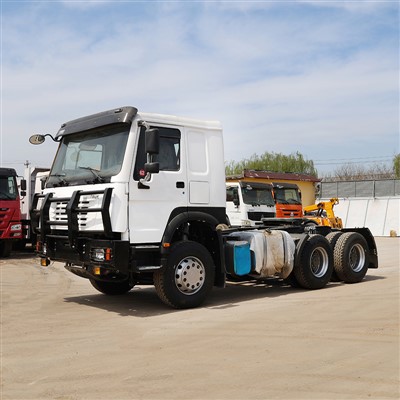
First, let’s get clear on what a side board semi trailer is. Unlike flatbeds with no sides, or enclosed moving trailers that are locked in from top to bottom, side board semi trailers have removable, adjustable side rails that can be set anywhere from 12 inches high up to 4 feet, depending on the model. The back usually has full-width swing doors that open wide, and the floor is heavy-duty plywood or steel with anti-slip coating to keep cargo from sliding mid-haul. For context, most standard side board semi trailers are between 48 and 53 feet long, which is a lot of space—enough for multiple bedroom sets, a dozen or so dining tables, or even a combination of large and small furniture pieces. They’re also designed to pair with standard semi-truck tractors, so most fleet operators already have the equipment to pull them, no special modifications needed. That flexibility is one of the biggest draws for furniture haulers, in my experience.
Now, why do furniture folks love these trailers so much? Let’s start with the basics: protection. Enclosed moving trailers are great for local moves, but for long-distance hauls—think cross-country from a furniture manufacturer in North Carolina to a retail store in California—they can be pricey, and many are too small to hold full commercial loads. Flatbeds, on the other hand, leave furniture exposed to wind, rain, road debris, and even theft. I had a customer last year, a small furniture maker in Ohio, who was using flatbeds to ship handcrafted wooden dressers. He lost three in one year to rain damage when a tarp slipped, plus one got scratched by loose road gravel. After he switched to our side board semi trailers, he cut that damage to zero in six months. The removable side boards let him fit a heavy-duty tarp over the top if there’s even a chance of bad weather, but he doesn’t have to deal with the hassle of trying to strap a tiny tarp over an entire flatbed load. The side rails also keep smaller furniture pieces from tipping or sliding into each other during sharp turns or sudden stops—something flatbeds can’t do.
Then there’s versatility for oversized or awkwardly shaped furniture. Let’s say you’re hauling a custom-made sectional sofa that’s 12 feet long, or a king-sized bed frame that’s too tall to fit inside a standard 10-foot enclosed moving trailer. A side board semi trailer lets you remove the side boards on one side, or even temporarily unhook a section of them, to load that oversized piece without having to disassemble the entire furniture item. I once had a moving company client who specialized in high-end residential moves; they regularly hauled full dining room sets with 12-foot table leaves that can’t be folded. With our side board trailers, they just take out two side boards at the back, slide the table in, and secure it with straps—no sawing, no damaging the table’s edges, no extra fees for oversized cargo. That’s a huge win for jobs where disassembling furniture isn’t just inconvenient—it could ruin the piece entirely.
Cost is another big one, and it’s something I talk about with every new customer. A standard 53-foot side board semi trailer has a lower per-mile cost than an enclosed trailer of the same size, because it doesn’t have the steel frame and weather-sealed walls that make enclosed trailers so expensive to build. For commercial loads, that adds up fast: over a cross-country route, a side board can save $0.20 to $0.30 per mile compared to an enclosed trailer, and if you’re hauling 10 loads a month, that’s thousands of dollars in savings. For small business furniture makers or moving companies operating on tight margins, that’s not chump change. Even compared to renting multiple smaller enclosed trailers, side board semi trailers hold more cargo per trip, so you make fewer runs and pay less in driver labor and fuel.
But here’s the thing: side board semi trailers aren’t perfect for every furniture haul. I don’t recommend them for extremely high-value or delicate items that need total climate control. If you’re hauling a $50,000 handcrafted grand piano that could be damaged by extreme heat or cold, an enclosed trailer is still the better bet—even if it costs more. Side board trailers don’t have insulation, so in temperatures over 90 degrees or below freezing, wooden furniture could warp or metal hardware could expand. They also don’t lock completely from the outside, so if you’re hauling expensive furniture to a remote area where theft is a risk, you’ll want to add a locking seal to the back doors and never leave the trailer unattended for long periods. Another downside: they can’t fit really small, loose pieces of furniture easily. If you’re hauling a stack of folding chairs or small side tables, they might slide around even with side boards, so you’d need to use additional blocking or padding to keep them secure—something you don’t have to do in an enclosed trailer.
Over the years, I’ve also learned a few best practices for using side board semi trailers for furniture, and these are the tips I give every customer before they book a load. First, always use edge protectors for furniture corners. Even with side boards, sharp edges of dressers or tables can scratch each other if they shift during a haul. I recommend foam or cardboard edge protectors that you can wrap around legs, corners, and table tops—they’re cheap, but they save you from thousands of dollars in damage claims. Second, don’t overload the trailer beyond its weight limit. Most side board semi trailers have a weight capacity of around 45,000 pounds, so make sure you calculate the total weight of the furniture plus any packing materials before you load. Overloading can not only damage the trailer’s floor, but it’s also illegal in most states and can lead to fines. Third, invest in good tarps and straps. The removable side boards make it easy to cover your entire load, but cheap tarps can tear in high winds, and flimsy straps can slip. I sell heavy-duty UV-resistant tarps and rated steel straps that work specifically for furniture loads, and I always tell customers to double-strap the largest items—sofa sets, mattress bases, dining tables—on both the top and sides to keep them secure.
Last year, we had a client who tested this all out: a large furniture retailer that was using a mix of flatbeds and enclosed trailers for their cross-country deliveries. They were dealing with 3-5 damage claims a month, mostly from rain on flatbed loads or scratches from tight loading in enclosed trailers. They switched to 10 of our 53-foot side board semi trailers, and after three months, their damage claims dropped to less than one a month, and their per-mile shipping costs fell by 18%. That’s the kind of result that makes me confident in saying side board semi trailers are a viable, even great, option for furniture transport.
Of course, it’s not a replacement for every type of haul. If you’re moving a single couch across town for a residential move, a small enclosed utility trailer or a moving truck is probably more practical. But for commercial loads, cross-country hauls, or jobs with oversized furniture that doesn’t break down easily, side board semi trailers check almost every box: affordable, flexible, secure enough for most furniture needs, and easy to integrate into existing fleets.
At the end of the day, the question isn’t “Can a side board semi trailer be used for transporting furniture?”—it’s “When is it the best tool for the job?” For me, as a supplier, that’s the conversation I have with every customer. I don’t push our trailers on everyone, because I want to make sure they get the right equipment for their specific needs. If you’re a furniture maker looking to ship bulk loads to retail partners, or a moving company handling large residential moves that involve sectional sofas and dining sets that won’t disassemble, a side board semi trailer is absolutely worth considering. If you’re just starting out with small, local moves, we can still help you, but we might recommend a different type of trailer to fit your current needs.

If you’re curious about how our side board semi trailers could work for your furniture transport needs, feel free to reach out to discuss your specific load details, route, and budget. We’re happy to walk through the specifications, answer any questions, and help you figure out if this type of trailer is the right fit for your operations.
Dump Semi Trailer References
- Federal Motor Carrier Safety Administration. (2022). Cargo Securement Rules for Commercial Motor Vehicles. FMCSA Publication.
- North American Furniture Manufacturers Association. (2021). Best Practices for Commercial Furniture Transport. NAFMA Industry Report.
- Trailer Builders & Repairers Association. (2020). Side Board Semi Trailer Specifications and Use Cases. TBRA Technical Bulletin.
- Moving Industry Association. (2023). Cost Comparison of Common Transport Trailers for Furniture Hauls. MIA Economic Analysis.
Heavy Leading Company Limited
Heavy Leading Company Limited is one of the most experienced side board semi trailer manufacturers and suppliers in China, featured by quality products and low price. Welcome to buy discount side board semi trailer in stock here and get pricelist from our factory. We also accept customized orders.
Address: Guotang, Quanpu, Liangshang, Jining City, China
E-mail: truckalex@heavyleading.com
WebSite: https://www.truckalex.com/
