If you’ve ever worked with coatings, adhesives, pharmaceutical coatings, or even specialty inks, you’ve probably crossed paths with Ethyl Cellulose (EC) — that versatile polymer that balances flexibility, chemical resistance, and thermal stability like few others. But one question I get from customers (new and seasoned alike) never gets old: “How do I mix a smooth, consistent EC solution that doesn’t clump, separate, or ruin my final product?” Ethyl Cellulose (EC)

I’ve been supplying EC to manufacturers across these industries for over a decade, and I’ve watched too many good batches go to waste because someone skipped a key step or grabbed the wrong solvent. This isn’t rocket science, but it does depend on working with the inherent properties of EC — and that means ditching guesswork. Today I’m walking you through the exact process we recommend, the common mistakes I see every week, and tips we’ve picked up from testing hundreds of EC grades.
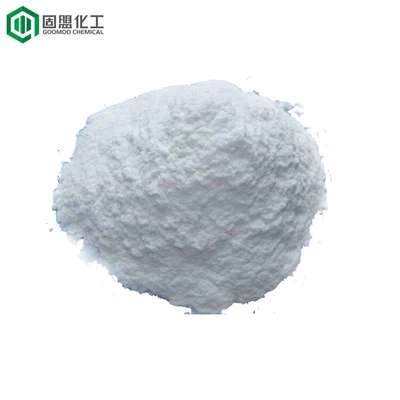
First, let’s talk about what EC actually is, because that foundation matters. EC is made by modifying cellulose — that structural stuff in plant cell walls — by replacing some hydroxyl groups with ethyl ether groups. The end result is a white, odorless powder that’s insoluble in water but dissolves in a range of organic solvents, depending on its ethoxyl content (that’s the percentage of those ethyl groups attached) and its viscosity grade. Higher ethoxyl content (usually between 44% and 52%) means better solubility in alcohols and hydrocarbon blends, while lower grades might work better in more nonpolar solvents. Viscosity, measured in centipoise (cP), is just as important: lower viscosity EC (like 7 cP) dissolves faster and makes thinner solutions, while higher viscosity grades (100 cP and up) create thicker, more durable films. Picking the right grade for your end use isn’t optional — but even the best grade will give you a bad solution if you mix it wrong.
The first step before you even open a bag of EC is planning. I see customers jump straight to weighing powder and solvent, then regret it when their mix is too thick, too runny, or full of undissolved clumps. Planning starts with answering three questions: What’s the final use for this solution? What solvent system will work with that use? And what EC grade aligns with both? For example, if you’re making a pharmaceutical enteric coating that needs to resist stomach acid, you’ll want a medium-viscosity, medium-ethoxyl EC grade paired with ethanol and ethyl acetate. If you’re making a flexible food packaging adhesive, a higher-viscosity EC blended with toluene and ethanol might be the call. And always check the solvent compatibility: pure water won’t dissolve EC, and strong acids or bases can break down the polymer, so stick to the common EC solvents: ethanol, methanol, isopropyl alcohol, ethyl acetate, acetone, and blends of hydrocarbons like toluene or hexane with alcohols.
Next, gather your materials and tools. You can’t mix an EC solution in a beat-up plastic bucket with a hand mixer — not if you want consistency. Here’s what you need, sourced from the same quality standards we enforce for our EC:
- The correct EC grade (store it in a cool, dry place, away from moisture, because EC absorbs water and that causes clumping that’s nearly impossible to fix)
- Your chosen solvents, each properly measured and free of contaminants (even a tiny bit of water can mess up solubility in non-alcohol blends)
- A mixing vessel: stainless steel or high-density polyethylene (HDPE) works best; avoid reactive metals like copper or aluminum, which can degrade EC over time
- A high-shear mixer, not a hand whisk. A mixer with a propeller or Cowles blade at 300–500 RPM is ideal. Too slow and you get clumps; too fast and you introduce too much air, leading to bubbles that ruin coatings
- A digital scale (to measure EC and solvents precisely; we recommend accuracy within 0.1% of total batch weight)
- Optional: A water bath or heating jacket for controlled heating, if your solvent blend can handle low heat (max 50°C, higher temps can cause EC to gel)
Now, the most critical part: mixing order. This is where 70% of EC solution failures happen. Everyone wants to dump the powder into solvent and stir, but that creates “fish eyes” — small, solid clumps of EC that never fully dissolve, no matter how long you stir. The trick is to add EC to solvent, not the other way around, and to do it slowly. Here’s the step-by-step I’ve trained all our customers to follow:
- Pour your pre-measured solvent into the mixing vessel. If using a blend, add all components at once and stir gently to combine. Turn on your mixer and set it to low speed (100–200 RPM) — not high. You want to create a gentle vortex in the solvent, not a splash.
- Weigh your EC powder slowly, pouring it in a thin, steady stream right at the center of the vortex. The vortex will pull the EC into the solvent one particle at a time, preventing clumping. I recommend adding about 10% of the total EC every 2 minutes, so it disperses evenly.
- Once all EC is added, increase the mixer speed to 300–400 RPM and let it stir for 30 minutes. Don’t walk away — scrape the sides and bottom of the vessel every 10 minutes with a plastic or rubber spatula to make sure no undissolved powder is stuck there.
- If your solution is going to be used for a thick film or adhesive, you can add a plasticizer at this stage (think: dibutyl phthalate or triethyl citrate, for flexibility). Add it slowly, stir for another 10 minutes at low speed. If you need to adjust the viscosity, add a small amount of solvent or EC powder now, not after the solution is fully mixed — changing it later creates inconsistencies.
- Turn off the mixer and let the solution sit undisturbed for 1–2 hours. This lets any trapped bubbles rise to the surface and pop, and any remaining tiny clumps settle. Strain the solution through a 100–150 mesh nylon filter before use, just to catch any particles that didn’t fully dissolve.
Wait, what about temperature? I get that question all the time. EC dissolves at room temperature, actually — heating isn’t required, and too much heat can break down the polymer or cause the solution to gel, which is irreversible. If you’re working in a cold environment (below 15°C), you can warm the solvent slightly (to 20–25°C) before adding EC, but never go above 50°C. Cold solvent slows down dissolution, so you’ll just need to let it stir longer, not crank up the heat.
Now, the common mistakes I see, because even the best process can go off the rails. First, moisture in EC or solvents. EC is hygroscopic, so if your powder has been sitting in a humid warehouse, it will clump before you even mix it. We always recommend storing EC in airtight bags with desiccant, and testing moisture content before use with a simple moisture analyzer. For solvents, even 1% water can make EC insoluble in hydrocarbon blends, so keep solvents sealed when not in use. Second, adding EC too fast. I’ve had customers dump a whole 50-pound bag of EC into a drum of solvent in 30 seconds, and end up with a solid block of clumps at the bottom. Slow and steady is non-negotiable. Third, using the wrong mixer. A hand mixer or a low-speed stir stick will not generate enough shear to break up EC particles. We recommend investing in a small lab-scale high-shear mixer for R&D and a larger industrial model for production — the cost is nothing compared to wasting a batch of material. Fourth, not letting the solution rest. Bubbles might look harmless, but they will cause pinholes in coatings or weak spots in adhesives. And straining? Don’t skip that. Even a tiny undissolved particle will ruin a finished product when it’s in a thin film.
Once you mix your EC solution, how do you store it? EC solutions are stable for 3–6 months if stored in sealed, airtight containers at room temperature, away from direct sunlight. Don’t store them in plastic containers that aren’t rated for your solvent — some solvents can leach plasticizers from the bucket, contaminating your EC. And never freeze an EC solution, that will cause the polymer to separate from the solvent, and you won’t be able to get it back to a smooth mix.
At the end of the day, EC is a reliable polymer, but it only works as well as its solution. Every batch we ship has a detailed CoA (Certificate of Analysis) that lists ethoxyl content, viscosity, and solubility recommendations — if you don’t have a copy, just reach out to our team. We’ve helped small startup labs and large manufacturing plants adjust their mixing processes to get consistent, high-performing EC solutions for their specific applications. Whether you’re new to EC or have been using it for years, if you’re struggling with clumping, viscosity inconsistencies, or poor film quality, we’re here to walk through your process with you. To get started with a sample or to discuss your exact EC solution needs, please don’t hesitate to connect with our sales team for a personalized consultation.
Bismuth Citrate References
- Ethyl Cellulose Properties and Applications, Dow Chemical Company, 2022
- Solubility Characteristics of Cellulose Ethers, Journal of Applied Polymer Science, Vol. 127, Issue 5, 2013
- Formulation Guidelines for Ethyl Cellulose-Based Pharmaceutical Coatings, Pharmaceutical Technology, Vol. 45, Issue 8, 2021
- Industrial Mixing Practices for Polymer Solutions, AIChE Journal, Vol. 60, Issue 10, 2014
- Ethyl Cellulose Material Safety Data Sheet, Eastman Chemical Company, 2020
Changsha Goomoo Chemical Technology Co., Ltd.
With abundant experience, we are one of the most reliable ethyl cellulose (ec) manufacturers and suppliers in China. We warmly welcome you to buy customized ethyl cellulose (ec) made in China here from our factory. If you have any enquiry about free sample, please feel free to email us.
Address: No.61,Jinma Road,Kaifu District Changsha 41005,Hunan,P.R.China
E-mail: allen@goomoochina.com
WebSite: https://www.gumchem.com/
