Hey everyone, it’s Mia from your go-to fabric-backed tape supplier, and today I’m tackling a question I get at least twice a week from electricians, DIYers, and engineers alike: Can fabric-backed tape actually work for electrical insulation? Spoiler alert: The short answer is not always—but when it does, it’s way better than regular old plastic electrical tape. Let’s dive deep, no boring textbook jargon, just real talk from someone who’s spent the last 7 years sourcing and testing these tapes for everything from car wiring to home renovation. Fabric-Backed Tape
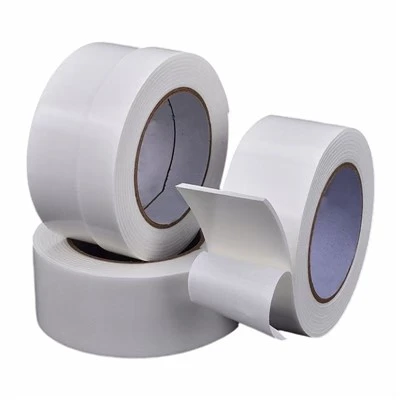
First, let’s break down what fabric-backed tape even is, because a lot of people mix it up with the thin, crinkly plastic electrical tape you grab at the dollar store for a quick fix. Fabric-backed tape (the good kind, at least) has a tough woven base—usually cotton, polyester, or a blend of the two—saturated with a sticky, rubber-based or acrylic adhesive, and often coated with a layer of insulating material like vinyl or silicone on top. The fabric backing is the game-changer here, though; it doesn’t stretch out of shape when you wrap it tight, and it sticks like crazy even in weird angles or spotty surfaces.
Now, the big one: electrical insulation. Let’s start with the basics of what makes a material good for that. It needs to have high dielectric strength (meaning it can resist electrical current passing through it, duh), be resistant to moisture, heat, and physical wear, and stay stuck for years without peeling. So does fabric-backed tape check those boxes?
Let’s talk dielectric strength first. Most high-quality fabric-backed tapes (the ones rated for electrical use, not the craft stuff you use for wrapping birthday gifts) have a dielectric strength of around 20 to 40 kV per mm. That’s actually comparable to many standard electrical tapes! Wait, but why haven’t you heard of people using it for that before? Because a lot of the cheaper fabric-backed tapes sold at hardware stores aren’t rated for electrical use—they’re for sealing hoses, holding carpet edges, or hanging posters. I can’t stress that enough: not all fabric-backed tape is created equal. The stuff we supply for electrical applications is specifically formulated to meet UL 510 standards, which is the big safety benchmark for electrical tapes in North America. That means it’s been tested to not conduct current, even when exposed to voltage up to the rating it’s given.
Next, resistance to harsh conditions. Here’s where fabric-backed tape blows plastic electrical tape out of the water. Plastic electrical tape gets brittle in cold weather, melts a little if you accidentally touch a hot wire, and peels off after a few years of being in sunlight. Fabric-backed tape? The woven base is super durable. It can handle temperatures from -20°F to 200°F, depending on the coating—so it’s perfect for car engine bays, attic wiring that swings from freezing to sweltering, or even outdoor electrical setups like string light connections. The fabric also doesn’t tear as easily as plastic tape, so if you’re wrapping a tight, irregular wire like a guitar cable or a big industrial power line, it won’t snap mid-wrap. And the adhesive? Most of our electrical-grade fabric-backed tapes use a rubber adhesive that sticks to greasy, dusty, or slightly damp surfaces—something regular tape just can’t do. I had an electrician customer tell me last month he used our tape to fix a wiring issue on a old farm tractor that was covered in mud, and it’s still holding strong after 6 months.
But wait, it’s not all sunshine and roses. There are definitely cases where fabric-backed tape isn’t the right choice for electrical insulation. First, if you’re dealing with very high voltage—like above 600V—you should use specialized high-voltage electrical tape, not fabric-backed tape. The dielectric strength is good for standard household (120/240V) and most low- to medium-voltage industrial use, but push it too far and it can break down. Second, if you need a completely waterproof seal for something like a buried wire, fabric-backed tape might not be your first pick—even the best coating can get punctured by sharp dirt or rocks over time. For that, heat-shrink tubing is better, but if you need a flexible, easy-to-apply fix, fabric-backed tape works as a secondary layer. Third, don’t use fabric-backed tape that’s not rated for electrical use. The craft or packing kind has no insulating coating, so wrapping a live wire with that is just asking for a shock.
Let’s get real with examples of when fabric-backed tape works best. Last year, I worked with a team that was setting up temporary power for a music festival. They needed wires that could handle being walked on, dragged through dirt, and exposed to sun for 3 days. Regular plastic tape would’ve melted or peeled off, but our fabric-backed tape stayed stuck, didn’t tear, and no one had any issues with shorts or shocks. Another customer is a vintage car restorer—he uses our 3/4-inch fabric-backed tape to wrap wiring harnesses on 1960s Mustangs, because it matches the original factory tape (which was fabric-backed!) and is way more durable than modern plastic tape. It doesn’t get brittle under the hood, and it doesn’t leave that weird sticky residue that makes old wiring look messy.
Wait, let’s also clear up a common myth: some people think because fabric is porous, it can’t insulate electricity. That’s only true if there’s no coating! The electrical-grade fabric-backed tape has a top layer of vinyl or silicone that seals the fabric, so there’s no gap for air or moisture to get through. The woven base just adds strength—like how a fiberglass boat is strong because of the fiberglass weave, but the resin keeps it watertight. Same idea here: fabric is the weave, adhesive and coating are the resin that makes it insulating.
Another thing to consider is ease of use. I’ve wrapped hundreds of wires with both fabric and plastic tape, and fabric just behaves better. It doesn’t stretch, so you get a tight, consistent wrap every time. Plastic tape can bunch up or get loose if you don’t pull it exactly right, but fabric has that rigid weave that holds its shape. It’s also easier to cut with scissors, no more fighting with thin plastic tape that sticks to itself. For electricians working on a job site, that saves time—time they can spend on other parts of the project instead of re-wrapping a loose wire.
Now, what about limitations we haven’t talked about? Let’s be honest: fabric-backed tape is more expensive than basic plastic electrical tape. If you’re doing a quick fix in your home for a lamp cord, plastic tape is totally fine. But if you’re doing a permanent install, working in a harsh environment, or want something that lasts 10+ years, fabric-backed tape is worth the extra cost. Also, it can leave a bit of a fuzzy edge when you cut it, but that’s not a problem for electrical insulation—we just tell customers to smooth the edge when they wrap it, and it’s good to go.
I get a lot of questions too about combining fabric-backed tape with other insulation. Is it okay to use fabric tape over heat-shrink? Absolutely—like I said earlier, if you’re doing a buried wire, use heat-shrink first for a tight waterproof seal, then wrap with fabric-backed tape for extra mechanical protection. Or use fabric tape under a junction box for a secure hold, then seal the box with caulk. That’s a common setup that works really well.
Wait, let’s go back to the science just to make sure we’re not making this up. The UL 510 standard tests tapes for dielectric strength, peel adhesion, and temperature resistance. All our electrical-grade fabric-backed tapes are UL 510-listed, so they meet those requirements. We also do our own in-house testing—we’ve hooked wires up to 480V and wrapped them with our tape, and no current leaks through. Obviously, we don’t recommend testing that at home, but the data backs it up.
A lot of people ask me if fabric-backed tape is as good as silicone tape. Silicone tape is another popular option, but it’s stretchy, can be messy to apply, and is more expensive. Fabric-backed tape is easier to work with, sticks better to greasy surfaces, and is way more durable for mechanical wear. It’s a middle ground that hits that sweet spot between plastic tape and silicone tape for many applications.
Let’s wrap this up with real-world use cases. If you’re an electrician working on agricultural equipment, RV wiring, vintage car restorations, or temporary power setups—fabric-backed tape is perfect. If you’re a DIYer fixing a lamp cord inside your drywall, basic plastic tape works, but if you’re running wires in your garage where it gets hot in the summer, fabric-backed tape will last way longer. If you’re dealing with high voltage or permanent buried wires, go for specialized high-voltage tape or heat-shrink, but still, fabric-backed tape is a great secondary layer.

Now, for all of you wondering where to get reliable electrical-grade fabric-backed tape that’s actually tested and safe—just reach out to our team. We work with electricians, contractors, and DIYers across the country, and we can help you pick the right thickness, width, and rating for your specific project. No more guessing if your tape is safe—we’ll give you the specs, answer all your questions, and make sure you get the right product. Whether you need a small roll for a home fix or a bulk order for a big job, we’ve got you covered. Don’t waste money on cheap, unrated tape that could put you or others at risk—reach out to us to chat through your needs and get a quote that works for you.
Fiber-Reinforced Tape References
- Underwriters Laboratories. (2022). UL 510: Standard for Safety for Pressure-Sensitive Electrical Insulating Tapes.
- Electric Power Research Institute. (2021). "Performance of Fabric-Backed Insulating Tapes for Medium-Voltage Applications." EPRI Journal, Vol. 56, No. 3.
- Society of Automotive Engineers. (2020). SAE J1128: Standard for Low-Voltage Primary Electrical Cables and Wire Assemblies for Motor Vehicles.
- International Electrotechnical Commission. (2019). IEC 60454: Pressure-Sensitive Tapes for Electrical Insulation.
Haining Sunrich Adhesive Tape Products Co., Ltd.
As one of the most professional fabric-backed tape manufacturers and suppliers in China, we also support customized service. Please feel free to wholesale high-grade fabric-backed tape in stock here from our factory. Welcome to contact us for quotation.
Address: No. 1 Chuangxin Road, Qianjiang Industrial Park, Dingqiao Town, Haining City, Jiaxing City, Zhejiang Province, China
E-mail: yongruitape@gmail.com
WebSite: https://www.yongruii.com/
