As a seasoned supplier of Flour Mill Service Equipment, I’ve witnessed firsthand the profound impact our machinery has on the flavor of the flour produced. In the world of milling, where the quality of the end – product is paramount, understanding how our equipment shapes the flavor of flour is crucial for both millers and consumers. Flour Mill Service Equipment

The Basics of Flour Flavor
Before delving into the role of our equipment, it’s essential to grasp the fundamental factors that contribute to the flavor of flour. Flour flavor is a complex interplay of various elements, including the type of grain used, its origin, growing conditions, and the processing methods employed. Grains such as wheat, rye, and barley each have their unique flavor profiles, which can be further influenced by factors like soil composition, climate, and farming practices.
For instance, wheat grown in nutrient – rich soil with optimal sunlight and water conditions tends to produce flour with a more robust and nuanced flavor compared to wheat grown in less favorable environments. Additionally, different wheat varieties, such as hard red wheat and soft white wheat, have distinct flavor characteristics. Hard red wheat is known for its high protein content and a bold, nutty flavor, while soft white wheat produces a milder, sweeter flour.
The Impact of Grain Cleaning Equipment
The first stage in the milling process involves cleaning the grains to remove impurities such as dirt, stones, and chaff. Our grain cleaning equipment plays a vital role in this process, and it has a direct impact on the flavor of the flour. By ensuring that the grains are thoroughly cleaned, we eliminate any foreign substances that could potentially contaminate the flour and affect its taste.
For example, if dirt particles are not removed from the grains, they can impart an earthy, gritty taste to the flour. Our advanced air – aspiration systems and sieving machines are designed to separate the impurities from the grains, leaving behind clean, pure kernels. This not only enhances the flavor of the flour but also improves its overall quality and safety.
The Role of Grinding Equipment
Grinding is perhaps the most critical stage in the flour production process, as it directly determines the texture and flavor of the flour. We offer a range of grinding equipment, including roller mills and hammer mills, each with its unique advantages.
Roller mills work by passing the grains between two or more rotating cylinders, which crush and grind the kernels into flour. The pressure and speed at which the rollers operate can be adjusted to control the particle size of the flour. Finer flour particles tend to have a smoother texture and a more delicate flavor, as they are more readily dispersed in water and other ingredients during the baking process.
On the other hand, hammer mills use high – speed rotating hammers to pulverize the grains. This method can produce a coarser flour, which may have a more pronounced flavor due to the larger particles and the increased surface area of the flour. The type of grinding equipment chosen can thus significantly influence the flavor profile of the flour, allowing millers to cater to different consumer preferences.
The Influence of Sifting Equipment
After grinding, the flour is sifted to separate it into different grades based on particle size. Our sifting equipment is designed to ensure a precise and efficient separation of the flour, which has a direct impact on its flavor.
Coarser particles, known as bran, contain a higher concentration of fiber and nutrients, as well as a distinct nutty flavor. By removing a portion of the bran through sifting, millers can produce a refined flour with a milder flavor and a softer texture. However, some consumers prefer whole – wheat flour, which contains all parts of the grain, including the bran and germ. Our sifting equipment can be adjusted to produce flour with varying levels of bran content, allowing millers to meet the diverse flavor preferences of their customers.
The Effect of Temperature Control in Milling
Temperature control during the milling process is another crucial factor that affects the flavor of flour. Excessive heat generated during grinding can damage the proteins and enzymes in the grains, leading to a loss of flavor and nutritional value.
Our flour mill service equipment is equipped with advanced cooling systems to regulate the temperature during the milling process. By maintaining a low and consistent temperature, we preserve the natural flavor and quality of the grains. This is particularly important for heat – sensitive grains, such as spelt and kamut, which can develop off – flavors if exposed to high temperatures.
Oxidation and Storage
The way flour is stored after production also plays a role in its flavor. Oxidation, which occurs when the flour is exposed to air, can cause the fats in the grain to become rancid, resulting in an unpleasant, stale flavor.
Our equipment can also contribute to reducing the risk of oxidation in flour. For example, our packaging machines can create air – tight seals, minimizing the exposure of the flour to oxygen. Additionally, we can provide advice on proper storage conditions, such as keeping the flour in a cool, dry place away from direct sunlight.
The Importance of Customization
One of the key advantages of our Flour Mill Service Equipment is its high level of customization. We understand that different millers have different requirements and goals when it comes to producing flour with specific flavor profiles. Whether a miller wants to produce a traditional, old – fashioned flour or a modern, innovative blend, our equipment can be tailored to meet their needs.
We work closely with our customers to understand their preferences and requirements. By adjusting the settings of our equipment, such as the grinding speed, sifting mesh size, and temperature control, we can help millers create flour with the exact flavor and texture they desire. This level of customization not only allows millers to differentiate their products in the market but also ensures that consumers can enjoy flour with a consistent and high – quality flavor.
Conclusion
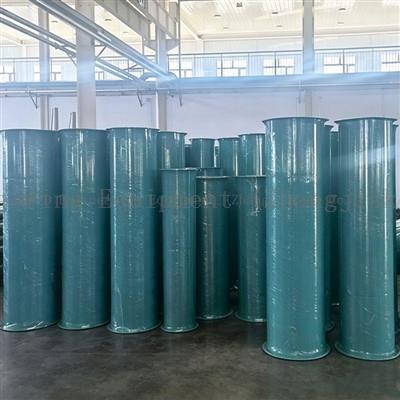
In conclusion, our Flour Mill Service Equipment plays a multifaceted role in shaping the flavor of flour. From the initial grain cleaning to the final packaging, each stage of the milling process is carefully controlled to ensure that the flour retains its natural flavor and quality. By using our advanced equipment, millers can produce flour with a wide range of flavor profiles, catering to the diverse tastes of consumers around the world.
Feed Mixing Equipment If you are a miller looking to enhance the flavor of your flour or improve the overall quality of your milling process, I encourage you to reach out to us. Our team of experts is ready to provide you with personalized solutions and advice. We are committed to helping you achieve your goals and take your flour production to the next level. Contact us today to start a conversation about how our Flour Mill Service Equipment can benefit your business.
References
- Pyler, E. J. (1988). Baking Science and Technology. Sosland Publishing Company.
- Cauvain, S. P., & Young, L. S. (2006). Technology of Breadmaking. Woodhead Publishing.
- Osborne, T. B. (1907). The Proteins of the Wheat Kernel. Carnegie Institution of Washington.
COFCO Engineering Equipment (Zhangjiakou) Co., Ltd.
As one of the most professional flour mill service equipment manufacturers and suppliers in China, we also support customized service. Please feel free to wholesale advanced flour mill service equipment for sale here from our factory. Quality products and reasonable price are available.
Address: No.4 ZhongLiang Street, high-tech industrial development zone, Zhangjiakou, Hebei, PRC
E-mail: mayihui@cofco.com
WebSite: https://www.ceeflourmill.com/
