Hey there! I’m a supplier of inline duct fans, and today I wanna chat about one of the most important aspects of these fans: energy efficiency. In the world of ventilation, knowing how energy – efficient your equipment is can save you a ton in the long run, both in terms of money and environmental impact. Inline Duct Fans

First off, let’s break down what energy efficiency means for inline duct fans. Energy efficiency refers to how well the fan converts electrical energy into mechanical energy to move air. In simpler words, it’s about getting the most airflow with the least amount of electricity.
Why is it so crucial? Well, picture this. You’re running a big industrial building or even a large home. You need proper ventilation to keep the air fresh and healthy. If you’re using an inefficient inline duct fan, you’re basically throwing money out the window. You’re spending extra on electricity to move the same amount of air that a more efficient fan could do with less power. Plus, from an environmental perspective, the less electricity we use, the fewer carbon emissions we’re putting out.
Now, let’s look at the factors that affect the energy efficiency of inline duct fans.
Fan Design
The design of the fan plays a huge role. Modern inline duct fans are built with advanced blade designs. These blades are shaped in a way that they can capture and move more air with each rotation. For example, some fans have aerodynamic blades that reduce turbulence. When there’s less turbulence, the fan doesn’t have to work as hard to push air through the ductwork. This means less energy is wasted, and the fan operates more efficiently.
Motor Efficiency
The motor is the heart of the inline duct fan. A high – quality motor is designed to use less electricity while still providing enough power to turn the blades. There are different types of motors available. For instance, brushless DC motors are known for their high energy efficiency. They have fewer moving parts compared to traditional motors, which means less friction. Less friction translates to less energy loss and more power going towards moving the air.
Size and Capacity
Picking the right size and capacity of the inline duct fan for your ventilation system is super important. If you choose a fan that’s too small for the space, it’ll have to run constantly at full speed to try and move enough air. This not only wears out the fan faster but also uses a lot of energy. On the other hand, if you go for a fan that’s too big, it’ll still use more energy than necessary, as it won’t be operating at its optimal efficiency level. You gotta do some calculations to figure out the right CFM (cubic feet per minute) rating for your specific needs.
Control Features
The control features of an inline duct fan can also impact its energy efficiency. Some fans come with built – in sensors. For example, a humidity sensor can detect when the humidity levels in a room are too high. When it senses this, the fan automatically kicks on to remove the humid air. Once the humidity level is back to normal, the fan shuts off. This kind of smart control helps to prevent the fan from running when it’s not needed, saving a significant amount of energy.
So, as an inline duct fan supplier, I often get asked how to measure the energy efficiency of these fans. One common metric is the Specific Fan Power (SFP). The SFP is calculated by dividing the power input of the fan (in watts) by the airflow rate (in cubic meters per second). A lower SFP value means the fan is more energy – efficient. It’s a quick and easy way to compare different fans and see which ones are going to give you more bang for your buck in terms of energy use.
Another way is to look at the Energy Efficiency Ratio (EER). This ratio takes into account the amount of cooling or heating provided by the ventilation system (if applicable) compared to the amount of energy the fan consumes. A higher EER indicates better energy efficiency.
When you’re in the market for an inline duct fan, there are a few things you should keep in mind to get the most energy – efficient option. Start by looking at the product specifications. Reputable manufacturers will list the SFP and EER values for their fans. This gives you a clear idea of how efficient the fan is.
Also, read customer reviews. Other customers who have already installed and used the fans can give you real – world feedback on how well the fan performs in terms of energy use. They might share tips on settings or usage patterns that can help you maximize the fan’s efficiency.
As a supplier, I can tell you that we’re constantly working on improving the energy efficiency of our inline duct fans. We’re investing in research and development to come up with new blade designs, better motors, and smarter control systems. We understand that our customers want to save money on their energy bills and help the environment at the same time.
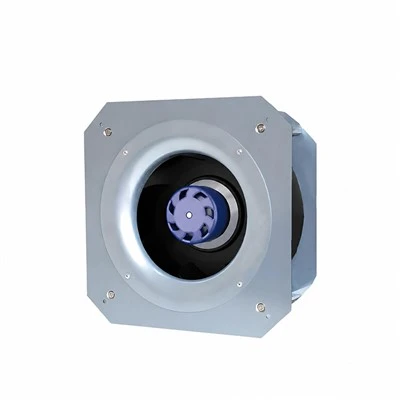
So, if you’re in the process of setting up a new ventilation system or upgrading an old one, I’d love to chat. We have a wide range of inline duct fans that are designed with energy efficiency in mind. Whether you need a fan for a small home bathroom or a large commercial building, we’ve got options for you.
Axial Flow Fans Contact us today to start a conversation about your ventilation needs. Let’s work together to find the most energy – efficient inline duct fan solution for you.
References
- ASHRAE Handbook: Fundamentals. This handbook provides in – depth knowledge about ventilation systems, including fan design and energy efficiency metrics.
- Fan Manufacturers Association Publications. These publications offer industry – specific information about the latest advancements in fan technology and energy – saving features.
Suzhou Blauberg Motoren Technology Co., Ltd.
Suzhou Blauberg Motoren Technology Co., Ltd. is one of the most professional inline duct fans manufacturers and suppliers in China, featured by quality products and good service. Please rest assured to buy bulk customized inline duct fans from our factory. Welcome to contact us for quotation.
Address: No. 8, Zhu Street, Industrial Park, Suzhou, JiangSu, China
E-mail: Andie@blauberg.cn
WebSite: https://www.blaubergmotors.com/
