Hey there! I’m a supplier of industrial models, and I often get asked about the storage requirements for these things. So, I thought I’d share some insights based on my experience in the industry. Industrial Model
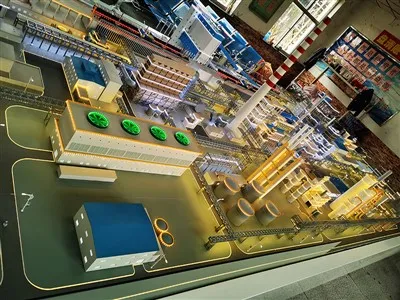
First off, let’s talk about why proper storage is so important. Industrial models are often used for various purposes, like product development, marketing, and education. They can be quite expensive to produce, and they represent a significant investment for businesses. If they’re not stored correctly, they can get damaged, which not only means a loss of money but also a setback in your projects.
Temperature and Humidity
One of the most crucial factors in storing industrial models is controlling the temperature and humidity. Most industrial models are made from materials like plastic, resin, or metal, and these materials can be sensitive to changes in temperature and humidity.
For plastic models, high temperatures can cause them to warp or melt. On the other hand, low temperatures can make them brittle and more prone to cracking. The ideal temperature range for storing plastic models is between 60°F and 70°F (15°C and 21°C). As for humidity, you want to keep it between 40% and 60%. High humidity can lead to mold growth, especially on models with organic components, while low humidity can cause the materials to dry out and crack.
Metal models also need to be stored in a controlled environment. Rust is a big problem for metal, and it can be accelerated by high humidity. To prevent rust, you should store metal models in a dry place with low humidity. You can also use a rust inhibitor or a protective coating to keep the metal in good condition.
Light Exposure
Another important consideration is light exposure. UV light can cause the colors of industrial models to fade over time, especially if they’re made from plastic or painted materials. To protect your models from light damage, you should store them in a dark place or use UV-blocking covers. If you need to display your models, make sure to use low-UV lighting, like LED lights.
Physical Protection
Industrial models are often fragile, so they need to be protected from physical damage. When storing your models, you should use appropriate containers or storage units. For small models, you can use plastic boxes or cases with foam inserts to cushion them. For larger models, you might need custom-made storage racks or cabinets.
It’s also important to handle your models with care. When moving or transporting them, use gloves to avoid leaving fingerprints or smudges on the surface. If you need to disassemble a model for storage, make sure to label all the parts and keep them organized.
Storage Space
The amount of storage space you need depends on the size and quantity of your industrial models. If you have a large collection, you might need a dedicated storage room or warehouse. Make sure the storage area is clean, dry, and well-ventilated. You should also have enough space to move around and access your models easily.
Cleaning and Maintenance
Regular cleaning and maintenance are essential for keeping your industrial models in good condition. You can use a soft, dry cloth to dust the models regularly. For more stubborn dirt or stains, you can use a mild soap and water solution. Make sure to dry the models thoroughly after cleaning to prevent moisture damage.
If you notice any signs of damage or wear on your models, it’s important to address them as soon as possible. You might need to repair or replace parts to keep the models in working order.
Special Considerations for Different Types of Models
- 3D Printed Models: 3D printed models are becoming more popular in the industrial world. They’re often made from materials like PLA or ABS plastic. These models can be more brittle than traditional injection-molded models, so they need to be handled with extra care. When storing 3D printed models, make sure to keep them away from sharp objects and excessive pressure.
- Electronic Models: If you have industrial models with electronic components, you need to take extra precautions. Make sure to store them in a static-free environment to prevent damage to the electronic parts. You might also need to disconnect the power source and remove any batteries when storing the models for an extended period.
- Large-Scale Models: Large-scale industrial models can be challenging to store. You might need to use specialized storage facilities or equipment to handle them. Make sure to plan ahead and have a clear storage strategy for these models.
Conclusion
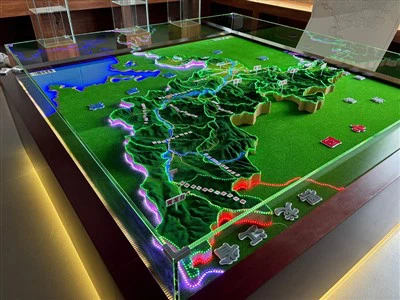
In conclusion, proper storage of industrial models is crucial for maintaining their quality and longevity. By controlling the temperature, humidity, light exposure, and providing physical protection, you can ensure that your models stay in good condition. Regular cleaning and maintenance are also important to keep them looking and functioning their best.
Terrain Model If you’re in the market for industrial models or need advice on storage solutions, I’d love to chat with you. I’ve got a wide range of high-quality industrial models that can meet your needs. Whether you’re in product development, marketing, or education, I can help you find the right models for your projects. Just reach out, and we can start a conversation about your requirements.
References
- "Materials Science and Engineering: An Introduction" by William D. Callister Jr. and David G. Rethwisch
- "Industrial Design: A Practical Guide" by David E. Orr
Guangzhou Zonco Culture and Media Co., Ltd.
Guangzhou Zonco Culture and Media Co., Ltd. is one of the most reliable industrial model manufacturers and suppliers in China, also supports customized service with low price. We warmly welcome you to wholesale cheap industrial model from our factory. For quotation, contact us now.
Address: Room C371, 402, Building 6, No.3 Xintang Street, Tianhe District, Guangzhou
E-mail: 13123180052@163.com
WebSite: https://www.scalemodellab.com/
