When I chat with fellow photographers, print shop owners, and even casual art lovers who’re looking to print their work, one question comes up way more often than you might think: “Should I go for cotton canvas or polyester canvas for my inkjet prints?” As someone who’s been selling inkjet canvases for over a decade, I get why this is confusing—both feel like “canvas” at first glance, and the differences aren’t always spelled out in the product specs. A lot of folks just grab the cheaper option or go with what they’ve always used, which can lead to headaches later on. Today, I’m breaking this down like I would with a customer who walks into my showroom, no jargon, just the real deal on what sets these two apart. Inkjet Canvas
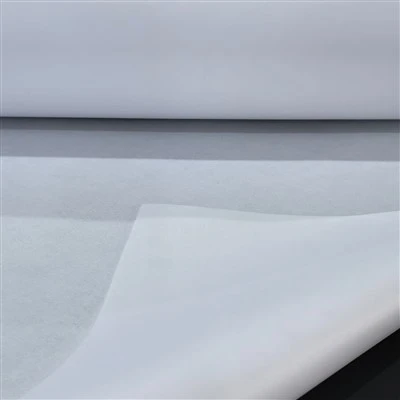
First off, let’s get the basics straight: cotton and polyester are two totally different materials, and that changes everything about how your print turns out, how long it lasts, and even how it feels when you hang it on your wall. Let’s start with cotton, since that’s the stuff most people picture when they hear “canvas.” For inkjet printing, we use 100% cotton canvas—usually a fine, tightly woven fabric, sometimes with a little polyester mixed in, but pure cotton is the go-to for high-end prints. What’s cool about cotton is its porous, natural fiber structure. Think of it like a sponge with tiny, soft little nooks and crannies that soak up ink really well. When you lay down inkjet ink (which is water-based, by the way, not the old solvent ink from the 90s), those tiny fibers grab the ink and lock it in, instead of just letting it sit on top. That makes the colors look way richer, more vibrant, and actually match what you see on your computer screen. I’ve had artists tell me their watercolor prints look just like the original when printed on cotton canvas—you can’t get that with polyester, no matter how fancy the coating is.
But cotton isn’t all sunshine and rainbows. The biggest downside? It’s way more sensitive to moisture, even after it’s printed. If you hang a cotton canvas in a bathroom or a spot that gets a lot of humidity, it can absorb that moisture, stretch out a little, and even develop mold if it’s not sealed right. Also, it’s way heavier than polyester. A 16×20 cotton canvas feels solid, almost thick like a piece of art paper, but that means it’s harder to roll up for shipping—you can’t just toss it in a tube and go; it’s more prone to creases if you’re not careful. And don’t get me started on cleaning it. If you spill coffee or wine on a cotton canvas print, you’re basically out of luck unless you’re super gentle. The ink so deep into the fibers that wiping it hard will just smear it.
Now let’s talk polyester canvas, which some people call “poly canvas” for short. This is a synthetic material, made from plastic fibers, and it’s been a game-changer for a lot of bulk printing jobs. The first thing you notice about polyester is how tough it is. It’s water-resistant by nature—when you get a drop of water on it, it beads right up instead of soaking in. That means if you hang a poly canvas in a kitchen or a sunny outdoor patio, it won’t warp or fade from humidity like cotton. It’s also way lighter than cotton, so shipping it is a breeze—you can roll it up tight, put it in a mailing tube, and it won’t get creases as easy. A lot of corporate clients go for this because they need to print 50 large canvases for a trade show, and they can’t afford to deal with fragile materials that might get damaged during transport.
But here’s the catch with polyester: the ink doesn’t bond the same way. Polyester fibers are super smooth, almost non-porous, so we have to coat the canvas with a special layer to make it accept ink. That coating is great for making the ink stick, but it also sits on top of the fibers, not inside. So the colors aren’t as deep or true as they are on cotton. I’ve had photographers print their landscape shots on poly canvas, and they look good at first, but if you hold them next to a cotton version, the blues and greens are a little duller, less “pop.” Also, that coating can yellow over time, especially if the print is hanging in direct sunlight. I’ve seen poly canvas prints that were only 3 years old turn a weird pale yellow, which totally ruins the look. Cotton, on the other hand, doesn’t yellow nearly as much—we’ve had customers bring back prints from 10 years ago on cotton, and they look almost the same as the day they were printed.
Wait, let’s get into something that’s super important for inkjet specifically: the way the ink dries. Cotton’s porous fibers let the ink absorb and air-dry quickly, so you don’t have to wait long after printing to stretch it or frame it. Polyester, even with the coating, takes a little longer to dry because the ink is sitting on the surface. If you roll it up too soon, the ink can smudge, and you’ll have a big mess on your hands. Also, for people who like to stretch their own canvases (a lot of small print shop owners do this themselves), cotton is way easier to work with. It’s more flexible, so it stretches tight without tearing, and the edges look clean. Polyester is stiffer, so it can be harder to pull tight—you might end up with loose spots or even small tears if you’re not experienced.
Another big point: cost. Polyester is cheaper to make, so it’s usually the less expensive option. That’s why a lot of budget print labs use poly canvas for their jobs. But cotton is a premium product, so it costs more upfront. But here’s what I tell people: you get what you pay for. If you’re printing a family photo that you want to hang in your living room for decades, cotton is worth the extra cash. If you’re printing 100 promotional banners that will be used for a few months and then stored, polyester makes sense. I’ve seen customers who tried to save money by going with poly for their wedding photos, and 2 years later they were back asking about cotton because the colors were faded and the print looked dull. That’s a mistake—better to invest in something that’ll last.
Wait, let’s talk about feel, because that’s a subtle thing but it matters. Cotton canvas has a soft, natural texture—run your finger over it, and you can feel the weave, like a old tent or a painter’s canvas. That’s why artists love it for fine art prints; it feels like a real painting, not a poster. Polyester is smoother, almost like a synthetic fabric, so it doesn’t have that same tactile feel. If you’re displaying prints where people will actually get close to look, the difference is noticeable. A lot of interior designers I work with insist on cotton for high-end homes because it adds that warm, authentic feel that poly just can’t replicate.
Let’s also address some common myths I hear. One big one is that polyester is more durable. No, not necessarily—if you’re taking care of it, both can last a long time. But polyester is more resistant to water, but that’s only if the coating is intact. If the coating scratches off, the underlying plastic fibers can get damaged, and the print will peel. Cotton, on the other hand, can take a little wear and tear as long as you seal it properly with a varnish, and it won’t peel. Another myth: cotton is always better. No, if you need something for a humid space, or you’re shipping a lot of prints, polyester is the way to go. It’s not that one is “bad,” it’s just that they’re designed for different uses.
As someone who’s in the middle of this every day, I can tell you that the best choice comes down to what you need the print for. Let’s break it down quick, like a cheat sheet: if you’re printing fine art, wedding photos, family portraits, or anything that needs to last 10+ years with vibrant colors, go with cotton inkjet canvas. If you’re printing bulk promotional materials, trade show banners, outdoor decor, or something where cost is a top priority, polyester inkjet canvas is your guy.
But wait, there’s also a middle ground? Some canvases are a blend of cotton and polyester, right? We sell those too, for people who want a little of both. They’re more durable than pure cotton, a bit more affordable, and have better color than straight polyester. But they’re not as good as pure cotton for fine art, and not as tough as pure polyester for heavy use. It’s a compromise, and it works for a lot of people who aren’t sure which way to go.
I get that picking the right canvas can feel overwhelming—there are so many options out there, and a lot of suppliers don’t explain the differences clearly. That’s why I always tell my customers to ask questions. If you’re not sure, send a sample of your image, tell me where you’re going to hang it, and what you’re using it for, and I can help you pick the right one. A lot of people think all inkjet canvases are the same, but they’re not. The wrong canvas can make a good print look mediocre, and the right one can make a great print look amazing.
At the end of the day, the difference between cotton and polyester inkjet canvas isn’t just about the material—it’s about the results you want. I’ve seen customers go from frustrated, faded prints on poly to thrilled, vibrant ones on cotton, and that’s what makes my job worth it. I don’t just sell canvases; I help people get the look they’re going for.

If you’re ready to order some inkjet canvas, or you just have more questions, reach out—we can chat through your needs, send you samples, and make sure you get exactly what works for you. No pushy sales pitches, just straight talk about what’s best for your prints.
Special Fabric References
- "Inkjet Printing on Textiles: The Science of Pigment Dispersion and Fabric Interaction," Journal of Imaging Science and Technology, 2018.
- Outdoor Durability of Synthetic vs. Natural Canvas Materials, Textile Research Journal, 2020.
- Consumer Preferences in Fine Art Print Substrates: A Survey of Professional Photographers, Print Quarterly, 2019.
- "Polyester vs. Cotton: Properties for Digital Printing," Industrial Textiles Magazine, 2021.
Lanxi Wenting Home Textiles Co., Ltd.
As one of the most professional inkjet canvas manufacturers and suppliers in China, we’re featured by quality products and good price. Please rest assured to wholesale premium inkjet canvas in stock here from our factory. Customized orders are welcome.
Address: No.3 Sanziqiao Road, Lanjiang Subdistrict, Lanxi City, Jinhua City, Zhejiang Province
E-mail: wang@wentingcanvas.com
WebSite: https://www.wentinghometextiles.com/
