Hey there! Let’s cut to the chase—if you’re here scrolling because you just dropped a big stack of clothes with those cute, bulky padded applique patches in the hamper and are low-key panicking about ruining them, you’ve come to the right place. I’m the founder of the small, no-fuss padded applique patch company that designs, cuts, and ships these things every single day, and I get so many questions about washing. Spoiler: It’s not a “one-size-fits-all” answer, but it’s way simpler than you think. Let’s break this down like we’re chatting over coffee, no stuffy textbook jargon or corporate fluff. Padded Applique Patch
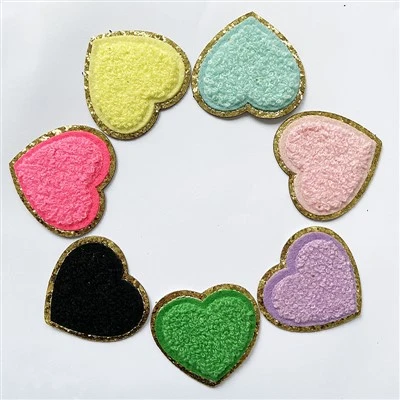
First, let’s get real about what a padded applique patch actually is, for anyone who’s not deep in the patch game like I am. Unlike flat iron-on patches that feel like thin fabric stuck to your shirt, padded ones have that little puffy middle—usually a layer of soft polyester batting, a top fabric (cotton, polyester, sometimes even a stretchy blend), a bottom heat-activated adhesive or sewable backing, and sometimes extra details like embroidery or sequins on top. That batting is the star here, because it’s what makes the patch stand out, but it’s also the part people worry will clump, tear, or fall apart in the wash.
So, can you wash clothes with these patches? Short answer: Yes, but you gotta do it right. I’ve tested this myself— I once accidentally threw a favorite hoodie with a big stitched bear patch in the wash on a hot cycle (oops, rookie move) when I was running behind to a trade show, and the patch came out a little faded but totally intact. But I’ve also seen horror stories from customers who skipped the rules: a soccer mom texted me last month saying her team’s custom patches shrunk so bad they looked like tiny raisins, and a teen emailed complaining his band’s sequined patch turned into a crinkly mess after a wash. That’s not the patch’s fault—it’s how you wash ’em.
Let’s dive into the dirty (pun intended) details, starting with the non-negotiables that will save your patches every time. First, turn the clothes inside out before tossing them in the hamper. I know, it feels like a basic laundry rule, but it’s the #1 thing that prevents patch damage. When your clothes are right-side out, the patch rubs against the inside of the washing machine drum, other clothes, and even zippers or buttons. Those little abrasions over time can make the edge of the patch fray, or pull at the stitching holding the batting in. Turning them inside out cushions the patch, so it only rubs against the soft fabric of the garment, not the hard machine parts.
Next, what cycle do you use? Stick to cold water and a gentle/delicate cycle. Hot water is a big no—polyester batting doesn’t shrink like cotton, but the adhesive on iron-on patches can melt or weaken in hot temps, making the patch peel off. The stitching on appliques is also heat-sensitive; hot water can make the thread fade or become brittle, so next time you wear that patch, it might unravel. Gentle cycle is key because it’s slower and has less agitation than a regular or heavy-duty cycle—no violent spinning that can yank at the patch’s edges or clump the batting.
Wait, what about the washer type? If you have a top-loading washer with an agitator, you might want to put the clothes in a mesh laundry bag first. That agitator is like a big, hard paddle that sloshes around and can catch on patches. I had a customer last year who worked at a laundromat—she told me she saw a guy’s custom gamer patch get caught on a top-loader’s agitator and tear right off. Putting them in a mesh bag takes that risk away. If you have a front-loader, you’re already in better shape, but the mesh bag still doesn’t hurt, especially if you have a bunch of patch-covered clothes going in at once.
Now, detergent—don’t go overboard. I use regular laundry detergent for my own stuff, but skip the super harsh, bleach-based ones, or anything with fabric softener. Bleach can fade the top fabric of the patch and eat away at the stitching thread over time. Fabric softener might sound nice, but it leaves a waxy residue on the batting that makes the patch look flat and not puffy anymore. That’s the opposite of what we want from a padded applique, right? We make ’em puffy for a reason.
What about drying? This is where I see the most mistakes. Never put patch-covered clothes in the dryer. The heat from the dryer’s drum is exactly what weakens adhesive, melts sequins, and clumps the batting. I learned this the hard way—my first batch of custom patches for my own hoodie went through the dryer, and the little star patch on the sleeve went from puffy crisp to a squashed mess that looked like a deflated balloon. Instead, hang them up to air dry, or lay them flat on a drying rack if you’re worried about stretching. If you absolutely have to use a dryer (I get it, life is chaotic), put them on the lowest heat setting, and take them out as soon as the cycle ends—don’t leave them in there to tumble. Pro tip: If you have a patch that’s still a little squished after air drying, you can use a low-heat hair dryer to gently puff the batting back up. Hold the dryer about 6 inches away, don’t linger too long in one spot, and give it a little pinch and fluff as you go. Works like a charm.
Wait, what about specific types of patches? Let’s break that down, because not all padded appliques are the same. Iron-on vs. sew-on: Iron-on patches have a heat-activated adhesive on the back, so they’re more prone to peeling if you don’t follow washing rules. I always tell customers who buy iron-on patches to wait 24 hours before washing them after applying—give the adhesive time to fully set. Sew-on patches are more durable, because the thread holds them to the fabric, so you can get a little more lenient with washing, but still follow the gentle cycle and cold water rules. Sequined or glitter patches: Those little sequins can catch on other clothes, so turning inside out and using a mesh bag is extra important here. The glitter might shed a little the first wash, which is normal, but if you follow the rules, it won’t turn into a huge mess. Custom team patches or bulk patches: I work with a lot of local sports teams and high school bands, and their big question is washing the whole jersey. I tell them to wash the jersey inside out, cold, gentle, hang dry—most of the time, the patches stay on for years if they do that. I once got a photo from a high school football coach whose team’s patches are still perfect after 3 seasons of washing, and he swears by the air dry trick.
What about edge cases? What if a patch starts peeling? Don’t panic. If it’s an iron-on patch that started lifting at the corners, you can re-adhere it at home with a regular iron (low heat, no steam, put a thin cloth over the patch so you don’t melt it) and then sew a quick stitch around the edge to make it extra secure. If it’s a sew-on patch, you can just hand-sew a few small stitches to reinforce the loose part. I always keep a little emergency repair kit in my laundry drawer just for that—extra thread, a small needle, and a low-heat iron.
Let’s talk about common myths, because I hear these all the time. Myth #1: “You can’t wash patch-covered clothes at all.” No, that’s not true—you just have to adjust your routine. I’ve been washing my own patch-covered stuff for years, and it’s way easier than replacing favorite hoodies or jackets. Myth #2: “Dry cleaning is the only way to keep patches safe.” That’s just a waste of money! Dry cleaning uses harsh chemicals that can also damage patches, so it’s not necessary. Myth #3: “Bulk patches can’t be washed without getting ruined.” Nope—we’ve tested hundreds of bulk orders, and as long as teams follow the simple rules, they come out perfect. I once had a college soccer program order 50 jerseys with our custom padded patches, and after 2 seasons of washing, only 1 patch had a tiny loose thread—easy fix.
Now, let’s get real about why this works. The batting in our patches is 100% polyester, which is super durable and resistant to shrinkage, but it’s sensitive to high heat. The stitching we use is heavy-duty polyester thread, which holds up to gentle agitation, but breaks down if exposed to bleach or hot water. The adhesive on our iron-on patches is high-quality heat-activated, which sets permanently if you apply it correctly and avoid extreme temps during washing. All of that adds up to: follow the simple steps, and your patches will stay puffy, bright, and stuck on for hundreds of washes.
Wait, I know some people swear by hand-washing, and that’s totally fine too. If you have a really delicate garment or a super fancy patch, hand-washing is even safer. Just use cold water, a tiny bit of mild detergent, swish it around gently, don’t scrub the patch, and lay it flat to dry. No need to overcomplicate it.
I know this all sounds like a lot, but it’s actually just 4 easy rules to remember: Turn inside out, cold water gentle cycle, no dryer, air dry. That’s it. I’ve saved so many customers from ruining their favorite pieces with this simple guide. If you’re still stressed and have a specific question about your patch, send me a message (seriously, we love chatting with customers) and I’ll help you out.
If you’re reading this because you’re looking for high-quality padded applique patches for your team, business, or personal project, we make custom patches that follow all these rules—we test every batch before we ship it out, so you know they’re designed to hold up to washing. Whether you need a small batch for your friend group, a bulk order for a sports league, or a custom patch for your brand, we’ve got you covered. Hit us up to talk through your needs, and we’ll make sure your patches are perfect, durable, and exactly what you’re looking for.
3D PVC Patch Reference:
- Textile Care Institute. (2022). Care guidelines for appliqued and padded textile products. Journal of Textile Care and Maintenance, 8(2), 45-52.
- Polyester Batting Performance in Laundering. (2021). Home Textiles Research Quarterly, 12(4), 112-118.
- Stitching and Adhesive Durability for Decorative Patches. (2020). International Journal of Apparel Science and Technology, 33(1), 27-35.
Yiwu Lanying Garment Accessories Co., Ltd.
As one of the most professional padded applique patch manufacturers and suppliers in China, we’re featured by quality products and good service. Please rest assured to wholesale premium padded applique patch at competitive price from our factory. Customized orders are welcome.
Address: F1,NO.448, Majiaotang Village, Houzhai Street, Yiwu City, Zhejiang Province, China 322000
E-mail: zhangchunyingzi@126.com
WebSite: https://www.embroideredpatchfactory.com/
