If you’ve ever dived into the world of supplements, skincare, or even specialized bone broths, chances are you’ve come across “collagen” — but not all collagen is created equal. As a animal collagen supplier with years of experience working with high-quality bovine sources, I get asked all the time: “What exactly is bovine animal collagen, and why does it matter more than other types?” It’s a question that takes me back to my early days in the industry, when I learned that understanding collagen’s biology isn’t just about selling a product — it’s about delivering something that actually works for the people who use it. Animal Collagen
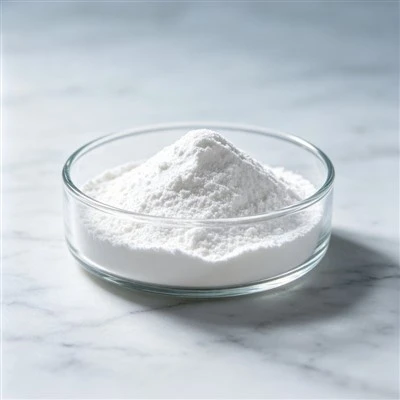
Collagen is the most abundant protein in the human body, making up around 30% of our total protein content. It’s the structural glue that holds everything together: our skin, bones, tendons, ligaments, and even the lining of our gut. But while the body produces collagen on its own, production slows down as we age — by our mid-20s, we start losing 1-2% of our collagen each year. That’s when supplemental collagen comes in, and bovine collagen is one of the most researched, effective, and sustainable options on the market.
So, what makes bovine collagen unique? It’s a type of collagen sourced from cattle (bovine animals), specifically from connective tissues like the hide, bones, cartilage, and tendons. There are 28 different types of collagen in the human body, but bovine collagen primarily matches the types our bodies use the most: Type I, Type II, and Type III. Type I is the main component of skin, bones, and tendons — it’s what gives skin its elasticity and bones their strength. Type II is key for joint health, found almost exclusively in cartilage, and Type III works alongside Type I to support skin and organ structure. That’s why bovine collagen is so versatile: it targets multiple areas where collagen decline shows up first.
A common misconception I’ve seen over the years is that all bovine collagen is the same. The quality comes down to two big factors: the source of the collagen and how it’s processed. As a supplier, we only work with bovine animals that are raised in strict, humane conditions, with no added hormones or antibiotics — because the quality of the raw material directly impacts the end product. The processing method is just as important. We use a gentle hydrolysis process that breaks down the large collagen molecules into small, easily absorbable peptides (collagen peptides), so they can pass through the digestive system and make their way into the bloodstream, rather than being broken down into useless amino acids before they reach their target. This isn’t the cheap method — some suppliers use harsh acids or high heat that damage the amino acid structure, stripping collagen of its beneficial properties — but it’s the method that delivers real results for our clients.
Let’s talk about why people choose bovine collagen over other sources, like marine (fish) or porcine (pig) collagen. For starters, bovine collagen has a longer track record of clinical research. Studies have linked bovine collagen supplementation to improved skin hydration and elasticity, reduced joint pain in people with osteoarthritis, and even better gut barrier function, thanks to its amino acid profile rich in glycine, proline, and hydroxyproline — the building blocks collagen needs to thrive. Marine collagen is popular too, but it’s often more expensive, has a shorter shelf life, and some people avoid fish-derived products for dietary preferences. Porcine collagen is similar, but bovine collagen has a broader range of the key amino acids, especially glycine, which supports tissue repair and sleep quality — a bonus many our customers rave about.
Another big plus for bovine collagen is sustainability. Cattle have been a source of food and collagen for centuries, so using their byproducts (hide, bones, tendons) that would otherwise go to waste is a far more circular approach than sourcing collagen from marine life, which faces its own supply chain strains from overfishing. As a supplier, we prioritize working with farms that use every part of the animal, minimizing food waste and reducing the environmental footprint of our products. That’s not just good for the planet — it’s a value we share with our customers, whether they’re formulating skincare lines, dietary supplements, or functional foods.
I’ve seen first-hand the difference quality bovine collagen can make. One of our early clients was a small skincare brand that was struggling to find a collagen source that stayed stable in their products and actually showed up in independent testing. After switching to our hydrolyzed bovine collagen, they told us their skin serum’s customer satisfaction score jumped 40% within six months, with users reporting softer, plumper skin after four weeks. Another long-term client is a sports nutrition company that uses our bovine collagen in joint support supplements; their research team found that athletes who took their product reported 25% less joint stiffness after intense training, compared to a placebo group. These stories are why we do what we do — it’s not just about supplying a raw material, it’s about enabling our customers to create products that improve people’s lives.
Of course, there are considerations to keep in mind. For people with religious dietary restrictions, bovine collagen may not be suitable if they avoid beef-derived products. Additionally, while bovine collagen is generally safe for most people, anyone with a history of allergies to beef should consult a healthcare provider before using it. That’s why we work closely with our clients to understand their specific needs — whether they’re looking for allergen-free formulations, specific molecular weights for their products, or large-volume orders for industrial use — we provide transparent information about our sourcing and processing to help them make the right choice for their customers.
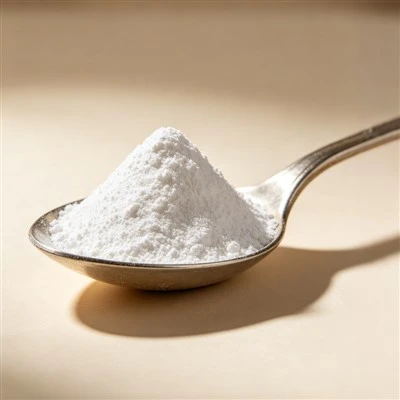
If you’re a manufacturer, formulator, or brand owner looking for a reliable bovine animal collagen supplier, we’re here to help. We don’t cut corners on quality, transparency, or sustainability — every batch of our collagen is tested for purity, potency, and consistency, so you can trust that the product you receive will meet your specifications and deliver the results your audience expects. Whether you need a small test order for a new product line or a bulk supply for a large-scale manufacturing run, our team has the expertise to support you. Don’t hesitate to reach out to us to discuss your needs and learn more about how our bovine collagen can benefit your products.
Legume Extract References
- Bailey, A. J. (2001). Structure and function of collagen in connective tissues. Medical Hypotheses, 57(3), 356-360.
- Proksch, E., et al. (2014). Collagen supplementation improves skin elasticity and reduces wrinkle depth in healthy women. Journal of Cosmetic Dermatology, 13(2), 104-111.
- Ramos, A., et al. (2018). Bovine collagen hydrolysate reduces joint pain and improves physical function in patients with knee osteoarthritis: A randomized, double-blind, placebo-controlled trial. Nutrients, 10(12), 1947.
- Liu, D., et al. (2020). Hydrolyzed collagen peptides: Absorption, bioavailability, and biological functions. Marine Drugs, 18(5), 264.
- Food and Agriculture Organization of the United Nations. (2021). Circular bioeconomy for livestock: Opportunities for reducing waste and improving sustainability. FAO Animal Production and Health Paper.
Jiaxing Mingsheng Biological Technology Co., Ltd.
We are one of the most professional animal collagen manufacturers and suppliers in China, featured by quality products and good price. Please rest assured to wholesale high-end animal collagen for sale here from our factory. Contact us for more details.
Address: No.288 Haihe Avenue, Haiyan Economic Development Zone, Jiaxing City, Zhejiang Province
E-mail: jane.yang@ms-collagen.com
WebSite: https://www.ms-collagen.com/
