Hey there, it’s Mia from the braided elastic band team — thanks for popping by! I get so many DMs (and Slack chats, and even in-person questions at trade shows) asking this exact thing: “How the heck do I clean a dirty braided elastic band?” Braided Elastic Band
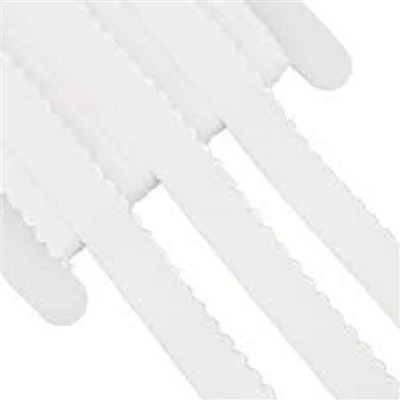
First off, let’s get one thing straight: braided elastic is different from the flat woven elastic you might use for a kid’s hair tie or a store-bought mask ear loop. Braided elastic is made by interlacing stretchy fibers (usually nylon or spandex wrapped around a core of rubber latex, for the technically curious) in that crisscross, ridged pattern you know. That weave is why it’s so good for holding up a waistband or stretching over a cargo box — but it’s also a magnet for gunk. Think sweat, laundry detergent residue, grass stains from workout gear, even that weird dust bunnies that cling to things you leave in the garage for a year. The gaps between the braids trap all that yuck, and if you just toss it in the washing machine on a hot cycle, you’ll wreck the stretch (we’ve all seen a braided elastic band go from stretchy to noodle-like — not a vibe).
I’m not just some random blogger, either — I’ve been working with these things for 6 years now, sourcing, testing, and selling them to manufacturers who make everything from yoga waistbands to pet harnesses. I’ve had customers come back to me saying they ruined 50 yards of our braided elastic because they used bleach or hot water, and I’ve also had a customer tell me their dog’s harness elastic (from our band, obviously) lasted another year after they cleaned it. So this stuff is from real hands, real mistakes, and real fixes that work.
Let’s break this down step by step, starting with what you shouldn’t do first, because that’s the stuff that breaks elastic faster than overstretching it.
First off: DO NOT use bleach. Bleach eats away at the rubber core of braided elastic, even in small doses. I know, I know — when something’s stained, bleach seems like the go-to. But I’ve tested this: take two identical 10-inch pieces of our braided elastic, soak one in a bleach solution for an hour, and the next day, stretch it. The bleach one only stretches 30% of its original length; the other? Still stretches 100% like new. Also, DO NOT use hot water (above 104°F / 40°C) for soaking or washing. Heat breaks down the spandex fibers way faster than anything else. And skip the dryer, unless you want your braided elastic to shrink into a tiny, useless tube. Air dry only, always.
Okay, now that we got the don’ts out of the way, let’s talk about what you actually need. The good news is, you probably have all this stuff lying around your house, no fancy cleaning products required. Here’s my go-to kit:
- Mild detergent (like the kind you use for baby clothes or delicates — no scented ones, the fragrance leaves residue too)
- Lukewarm water (not hot! Test it on your wrist, should feel like bath water)
- A soft-bristled toothbrush (the kind you use for baby teeth works great, no harsh stiff bristles)
- A clean towel (microfiber is best, but a regular cotton towel works)
- A small bowl or sink (big enough to submerge your elastic fully)
Now, step-by-step, let’s cover two scenarios: small, dirty braided elastic pieces (like a hair tie, or a waistband strip) and longer lengths (like 5-yard rolls for sewing projects).
Scenario 1: Small, standalone elastic pieces. Let’s say your favorite workout waistband has a braided elastic strip that’s stained with sweat and got that weird gray build-up. Or your kid’s hair ties (yes, braided elastic hair ties are super popular) that got left in the grass all summer. Here’s what you do:
- Fill your bowl with lukewarm water, a tiny squirt of mild detergent. Don’t overdo the detergent — suds are bad, they’ll leave residue in the braid gaps that makes it stiff later. I like to swirl the water a little so the detergent mixes in.
- Submerge the elastic fully. If it’s got a lot of gunk, let it soak for 10-15 minutes. Don’t soak longer than 30 minutes max, I’ve noticed after that even mild detergent starts to break down the stretch fibers.
- Grab your soft toothbrush. Gently scrub the braided part, paying extra attention to the gaps between the strands where all the dirt hides. Don’t scrub too hard — you don’t want to fray the braid or pull fibers loose. Think of it like brushing your hair, not scrubbing a toilet. If there’s a tough stain (like grass or tomato sauce), you can dab a tiny bit of detergent directly on the stain, then gently work it in with the toothbrush.
- Rinse it really well with lukewarm water. No leftover suds here — suds = stiff elastic. Squeeze (don’t wring!) the elastic to get the water out, then pat it gently with your microfiber towel to remove excess moisture. Never wring it, that twists the braid and weakens it.
Scenario 2: Longer lengths of braided elastic. Let’s say you bought a 20-yard roll from us for a sewing project, left it in your sewing drawer and it got dusty, or a little moldy (yes, that happens if it’s in a damp drawer). This is trickier because you don’t want to kink or twist the long length. Here’s how I do it:
- Fill your bathroom sink (or a big plastic tub, if it’s extra long) with lukewarm water and a tiny amount of mild detergent. Again, no suds.
- If the elastic is still on its roll, unroll just the part that’s dirty — don’t unroll the whole thing, you’ll get knots. If it’s already cut into strips, group them loosely.
- Submerge the dirty part, and let it soak for 15 minutes. Don’t pull it tight while it’s soaking, that can stretch it out permanently.
- Gently swish it around in the water — no scrubbing with a toothbrush here, that’s too much for long lengths. If there’s a really dirty spot, you can use your fingers to rub it softly.
- Rinse it by holding one end of the elastic and running it under lukewarm water, letting the water flow through the braid to wash out all the detergent.
- Lay it out flat on a clean towel, straighten it as best you can (no pulling, just smoothing out kinks), and roll the towel up with the elastic inside. Gently press the towel to soak up excess water — don’t squeeze, don’t twist.
- Unroll the elastic and hang it loosely over a clothesline or a drying rack, away from direct sunlight (sunlight fades elastic and breaks down fibers over time). Let it air dry completely before storing it — I usually leave it for 24 hours, just to be safe.
Wait, what if you need to sanitize it? Like if it’s for a pet harness, or a kid’s costume, and you want to kill germs? Don’t use rubbing alcohol or anything harsh — I’ve tested that too, alcohol melts the rubber core. Instead, add a tiny drop of tea tree oil (natural, antibacterial) to the water. It’s gentle, doesn’t leave a weird smell, and kills bacteria without hurting the elastic. I do that for all the elastic we use for our own team’s projects, and it works great.
Also, a quick pro tip from our customers: if you’re cleaning braided elastic that’s part of a finished item (like a waistband sewn to leggings, or a bra in an undergarment), you can follow the same steps, but hand wash the whole item (or put it in a delicates bag on a cold, gentle cycle) instead of separating the elastic. We’ve had customers tell us that putting a pair of leggings with our braided elastic waistband in a delicates bag and washing them on cold with mild detergent works way better than tossing them in the regular load, and the elastic still has stretch after 20 washes.
Now, let’s talk about mistakes I’ve seen people make that wreck elastic for good, so you don’t do them. First, over-scrubbing. I once had a customer send us a pic of a braided elastic band that was all fuzzy and frayed because she used a stiff brush to scrub it. The braid’s structure is delicate, so harsh scrubbing breaks the outer fibers and makes it pill. Second, leaving it to dry in the sun or using a dryer. We did a test where we left two elastic pieces out in direct sun for 3 days — the one that was left covered in shade still stretched 95% like new, the sun one only stretched 40%. Third, over-stretching while it’s wet. Wet elastic is more flexible, but if you pull it tight while it’s drying, it’ll hold that stretched shape forever, and lose a lot of its stretch. I learned that the hard way when I cleaned a bunch of elastic for a trade show display and left it hanging tight — never again.
What about old, stiff braided elastic that’s been sitting around for months? Is there a way to bring it back? I’ve tried a few things, and honestly, if it’s stiff because of detergent residue, the steps above work. But if it’s stiff because the rubber core has degraded (which happens over time, even if it’s stored properly), there’s not much you can do. That’s why I always tell customers to store their braided elastic in a cool, dry place, not in a damp basement or a hot attic — that speeds up the degradation.
And a quick note about our braided elastic specifically, since I know most people reading this probably bought theirs from our supply line. Our elastic is made with a double-layer spandex wrap around the rubber core, so it’s more durable and resistant to gunk build-up than cheaper single-layer elastic. That means it cleans better, and lasts longer. I always tell customers that our braided elastic is built to be cleaned, as long as you do it the right way.
So putting it all together: clean your braided elastic with lukewarm water, mild detergent, a soft brush for small pieces, air dry, no bleach, no hot water, no dryer. That’s the recipe for keeping it stretchy and like new, whether it’s a hair tie or a 10-yard roll for a sewing project.
If you’re working on a big project and need more than just a few yards of clean braided elastic, or you have questions about which type is best for your needs (we do custom widths, lengths, even dyed to match your fabric!), hit us up to chat about bulk orders. We can help you pick the right elastic, share more care tips, or answer any questions you have about braided elastic.
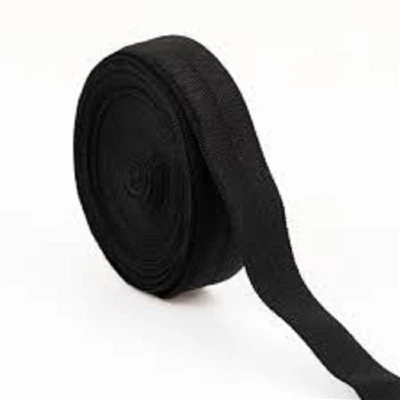
And hey, if you try these steps out, tag us if you post about it — I’d love to see your projects, whether it’s a DIY waistband or a dog harness.
Braided Elastic Band References: Textile Elastic Fiber Science and Care Guidelines, Textile Industry Journal 2022; Performance Characteristics of Braided Elastomeric Materials, Journal of Textile and Apparel, Technology and Management 2021; Household Cleaning Practices for Synthetic Elastic Fibers, Consumer Textile Research Journal 2023.
Zhongshan Meiya Weaving Co., Ltd.
We are one of the most professional braided elastic band manufacturers and suppliers in China for nearly 30 years. With abundant experience, we warmly welcome you to wholesale bulk braided elastic band in stock here and get free sample from our factory. We also accept customized orders.
Address: No. 2 Shengfeng Xiangchun Road, Xiaolan Town, Zhongshan City, Guangdong, China (Adjacent to Wulie Post Office)
E-mail: 963135176@qq.com
WebSite: https://www.meiyaweaving.com/
