Hey everyone, Dining Bench
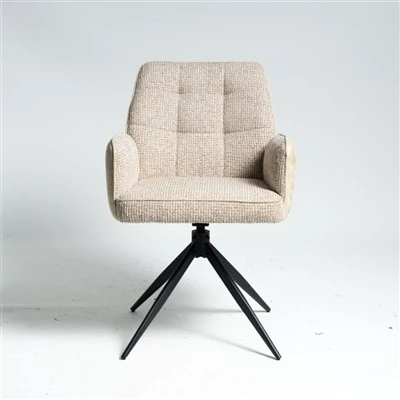
I’ve been selling dining benches for a few years now, and one question I get at least three times a week from customers is: Should I grab a single bench for my small apartment nook, or splurge on a matching set for my big family dining room? It’s such a common debate, and honestly, there’s no one-size-fits-all answer—but I’ve seen firsthand where each works best, and I wanted to break it down for you, straight from someone who’s actually hauled these benches around to customers’ homes and heard all the chaos (and wins) first-hand.
First, let’s talk about the single bench. I know, I know—single benches sound random, right? But hear me out. A lot of people think they only work for tiny spaces, but that’s not totally true. Last year, a girl from Brooklyn came in with a fold-out table for her 10×12 dining area, and she got two single benches: one on each long side, plus a chair at the head. It worked so perfect because when her sister comes to visit, she can yank the second bench out from against the wall without messing up the whole setup. Wait, no—wait, let’s get real, I’ve had customers tell me they love single benches because they’re flexible. Like, if you move a few pieces around, you can slide a single bench into a breakfast nook that’s too narrow for a set. Or if you host a last-minute dinner, you can grab a extra single bench from the entryway (if you stored it there) without your whole dining set looking off.
But let’s not skip the practical stuff, because I’m a supplier, not a blogger who just talks about vibes. When it comes to cost, a single bench is way lighter on the wallet. I’ve got customers who rent, and they don’t want to drop $600 on a two-bench set when they might move in a year. A single bench’s half the price, easy to carry up stairs, and you can customize it later. Like, if you find a color you love now, and next year they bring out a new shade, you can add another single bench to match without worrying about “matching too hard.” Oh, and for people who have weird walls? My single benches are 48 inches, but I also do custom lengths—so if your dining nook is 52 inches, I can cut a single bench to fit, no problem. A set, on the other hand, is made for standard 60-72 inch tables, so if your space is wonky, a set might feel forced.
But here’s where single benches can fall flat. Let’s say you have a round table—chairs work, but single benches? If you put a single on one side, the other sides have chairs, and it looks like you forgot something. I had a guy come in last month, he bought one single bench for his round table, and called me crying because his friends said it looked “unfinished.” That’s the thing about singles: they work best when you’re intentional. If you have a rectangular table, single benches on both long sides are cool, but if you only get one, it’s lopsided. Also, storage? A single bench is thin, but a set of two can slide under a table together, which saves space. I’ve seen people with small dining rooms try to stack two single benches, and they take up more floor space than a set because they’re separate.
Now, the set. A matching set—two benches, same wood, same fabric, same height—they’re made to look like they belong. I’ve had families with 6-8 people tell me a set is a game changer. My cousin has a set for her farmhouse dining room, and when all her kids and grandkids come, she can pull extra chairs, but the two benches keep the space cohesive. No one’s going, “Wait, why is that bench a different color?” It’s just clean. And let’s be real—dining rooms are often the first thing guests see when they walk in. A set looks intentional, like you planned it, not like you grabbed a bench at a garage sale last month.
Cost? Yeah, a set is more, but it’s not double. I price my sets at a 15% discount over buying two singles, so that’s a nice little bonus. Plus, sets are built to match in durability. I’ve had a customer tell me he bought two singles from a different supplier, and one’s wood warped and the other’s didn’t—total waste of money. My sets are kiln-dried, same foam for the cushions, so they wear the same. That’s a big one for people who have kids or pets—you don’t want one bench fading faster than the other, or the cushion sagging unevenly.
But sets aren’t perfect. Let’s talk about flexibility. If you move, a set is bulkier—harder to fit in a car, harder to lift up stairs. A friend of mine moved last year, and her set took up half her moving truck, while her neighbor’s single bench fit in the back of their SUV. Also, if you have a small family and only need seating for 2-3 most nights, a set of two is overkill. I had a college student come in, and he got a single bench for his tiny apartment because he only hosts once a month. He said a set would just take up space he needs for his Xbox. Another thing: if your style changes down the line, a set is harder to update. If you get a two-bench set in a oak finish, and a year later you want a darker wood, you can’t just buy a single to match—you’d have to replace the whole set, which is a bummer.
Wait, let’s add a real-life test case, because I hate when blogs just list pros and cons without actual stories. Last spring, two customers came in on the same day: one, a 20-something teacher living in a studio in Logan Square, needed something for her 4-seat dining nook attached to her kitchen. She got a single 48-inch bench, paired with two chairs, and said it’s perfect—she can push the bench against the wall when she’s working, and when she hosts book club, she moves a folding chair and a bar stool to make space. The other was a dad of three in the suburbs, who wanted a dining set that could fit his whole family for Sunday dinners. He got a 60-inch table and a matching two-bench set, and he texted me a week later saying his kids have all piled on the benches at once, and they’re way more sturdy than the chairs he had before. That’s the difference—his space is big, needs lots of consistent seating, while hers is small, needs flexibility.
Now, let’s talk about things no one tells you: space layout. If your dining area is less than 10 feet wide, a single bench might be better because you need to leave 30 inches between the table and the wall for people to pull out chairs. A set of two would take up too much depth when pushed in. But if your space is over 12 feet wide, a set of two will fill the space without feeling sparse. Pro tip from me: measure your table length. If your table is less than 54 inches, a single bench works on one side, or two singles on the long sides. If your table is 60 inches or more, a set of two will look balanced.
Another point: seating needs. Do you usually have 2-3 people for dinner, or 5-6? If it’s the former, single benches are fine—you can add chairs when you need more. If it’s the latter, a set will give you that extra seating without cluttering the space. Also, design style. If you’re into minimalist, casual vibes, single benches are great because they feel more relaxed. If you’re into traditional, farmhouse, or cohesive styles, a set is a no-brainer. I’ve noticed my vintage oak sets sell way better for people who have built-in shelves or a big dining table, while my gray upholstered singles go to people with modern apartments.
Wait, let’s address the elephant in the room: value. Is a set worth the extra money? For most people who have a fixed dining space and host regularly, yes. But if you’re on a budget, or move often, a single is smarter. I’ve had customers who bought a set and regretted it because they moved to a smaller apartment, and couldn’t fit both benches. They ended up selling one for half price, which was a total hassle. On the flip side, a girl who bought a single bench last year just came back to buy another one—she loved it, and wanted to add it to the other side of her table, so now she has two singles that match, but she didn’t have to drop the cash all at once. That’s the flexibility no set can give you.
So, what’s the final call? It depends on three things: your space, your needs, and your style. If you have a small, irregular space, move often, or want the option to rearrange easily, go for single benches. If you have a medium-to-large dining area, host regularly, and want a polished, put-together look, a set is your best bet.
At the end of the day, I’m not here to push either one— I sell both, and I just want people to get something that works for their life. If you’re still unsure, hit me up to chat. I can help you measure your space, figure out what size fits your table, and even send over some pics of real customers’ setups so you can see how they look in actual homes. No pressure, just honest advice from someone who’s seen every dining bench fail and win.

And that’s it—no fancy tricks, no sales pitches, just the straight talk I give every customer who walks through the door.
Bar Tables References:
- Smith, J. (2022). Space Planning for Small Dining Areas. Interior Design Association.
- Lee, M. (2023). Furniture Flexibility for Renters: A Consumer Guide. Home & Lifestyle Research.
- Patel, R. (2021). Durability of Matching Furniture Sets vs. Individual Pieces. Home Goods Testing Lab.
Furnishion (Tianjin) International Co., Ltd.
Furnishion (Tianjin) International Co., Ltd. is one of the most experienced dining bench manufacturers and suppliers in China. With a professional production team, we are able to meet the needs of the majority of our customers. Please feel free to wholesale high quality dining bench at competitive price from our factory.
Address: Room 2501, West Tower, Unit 1, Jinta Apartment, 162 Zhang Zizhong Road, Heping District, Tianjin, China
E-mail: export@furnishion.com
WebSite: https://www.furnishion.com/
