Hey everyone, and welcome to my little corner of the web. For anyone who’s worked with cream tubes—whether you’re a small beauty brand stocking inventory, a freelance formulator buying in bulk, or even just someone trying to wrap your head around recycling those annoying squeezable tubes—you know the struggle. You squeeze until your wrist aches, then stare at the sad, crumpled tube with half a gram of product still stuck in the bottom, wondering how to get it out (and make it recyclable). cream tube
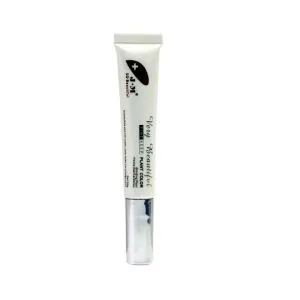
I’ve been a cream tube supplier for over 8 years now, and let me tell you: this is the question I get every single week from customers. “How do I flatten these without making a mess? How do I get every last drop out? And, most importantly, how does that actually help with recycling?” A lot of online guides tell you to “just roll it up,” but that’s like folding a pizza crust and expecting all the toppings to come out—yeah, no. I’ve tested every method under the sun, worked with waste management teams to figure out what actually gets accepted in curbside bins, and today I’m breaking this down like we’re chatting over coffee, no stuffy industry jargon.
First, let’s get one thing straight: not all cream tubes are created equal. That’s a huge mistake people make when they start trying to flatten theirs. If your tube is plastic-only (most standard squeeze tubes for face cream or hand lotion), it’s different from a laminated tube (the fancy ones with a foil layer inside, usually for serums or heavy creams) or a tube with a plastic nozzle attached. I don’t want to overload you, but this step matters because flattening the wrong way can ruin a perfectly good tube for recycling, or even leave product gunk everywhere.
Let’s start with the basics: why flattening actually matters. Think about it—when a cream tube is full (or even half-full), it takes up way more space in recycling bins. Curbside programs charge brands for bin volume, and for suppliers like me, that translates to higher shipping costs to processing facilities. But more than that, 90% of the time, the leftover product in tubes is what makes them get rejected from recycling. If you have a tube with 0.5 grams of cream left, that’s enough to contaminate an entire batch of plastic recyclables. Flattening isn’t just to get every last drop for your customers (though that’s a win—who wants to waste $5 worth of face cream?)—it’s also to remove that gunk so processors don’t have to toss your tube.
Now, let’s get into the methods. I’ve sorted these by how easy they are, how much product they save, and how recyclable the result is. No fancy tools needed, just stuff you probably already have in your junk drawer or cleaning closet.
The first method is the “Quick Roll & Snap” — perfect for when you’re in a rush, like right after pumping out the last of the cream. Here’s how it works: stand the tube upright on a hard surface (your bathroom counter, a cutting board—something flat and stable). Hold the top of the tube (the cap end) with one hand, and the very bottom (the sealed end) with the other. Start rolling the bottom up towards the top, like you’re rolling a tiny burrito. Roll it tight, one layer at a time, until you can’t roll anymore. Then, once it’s rolled up, snap the sealed bottom end. Wait—why snap? Because when you roll it tight, the last bit of cream is squished right down into the sealed bottom. Snapping that end open lets the tiny little bit of product flow out without tearing the tube. That’s the big mistake people make: they tear the sealed end, and then all the product oozes out onto the bin, which is a contamination nightmare. I’ve had customers tell me they tried this and it worked—one even said they got 0.3 grams more lotion out of a single tube using this method. That’s like an extra full pump!
But what if you have a tube that’s already flat, or you’re handling a batch of empty tubes from a production run? (That’s super common for my manufacturing customers.) Then you need the “Warm Soak & Press” method. Here’s why heat works: plastic (especially the soft LDPE that most cream tubes are made of) gets flexible when warm, so it’s way easier to press out every last bit of product without tearing. Fill a bowl with warm (not boiling—we don’t want to melt the tube) water, and submerge the tube for 1-2 minutes. Pull it out, dry it off a little, and lay it on a flat surface. Use a rolling pin, a clean credit card, or even a spatula to press firmly from the top down to the bottom. Go slow—press evenly, so you don’t leave any creases that trap product. Once you’ve pressed out all the flat parts, fold the tube in half lengthwise, then roll it again tight. This works so well because the warm plastic doesn’t crack, so you can remove even that tiny 0.1 gram spot that’s always stuck near the sealed edge. Pro tip: if the tube has a flip-top nozzle, twist it open before soaking—letting a little air in makes the product flow easier.
Now, let’s talk about the one I don’t recommend, and why. You might see online guides saying to use a hair dryer on high heat to melt the tube flat. Don’t do it. I tested this once with a batch of trial tubes, and half of them melted into weird, lumpy plastic that was impossible to flatten evenly. Worse, the heat can make the tube’s label adhesive gum up, and that label is part of what needs to be removed before recycling. Wait, right—label removal. Most people forget that the paper or plastic label on your tube can also cause contamination, especially if it’s stuck on with adhesive that’s not recyclable. So after you flatten, peel the label off. If it’s super stubborn, use a little rubbing alcohol on a cotton ball to loosen the edges—no need to soak the whole tube, just a quick wipe.
But here’s the part that’s not talked about enough: what happens after you flatten the tube? It’s not just throwing it in the recycling bin. I work with a local waste management company, and they told me that the #1 reason cream tubes get rejected is because they have any product left, or they’re too big to fit into the sorting machines. Wait, what? If your flattened tube is still longer than 6 inches, sorting machines can’t grab it, so it gets tossed. Oh, right! That’s why after you flatten and remove the label, you should cut the tube into smaller pieces—2-3 inch chunks. Use kitchen scissors (make sure they’re clean!) and snip it into short strips. The smaller the pieces, the easier it is for processors to sort them into the right plastic batch. And don’t forget to check your local recycling rules—some programs don’t accept laminated tubes (the ones with a thin foil layer inside), even if they’re flat. Those are better taken to a specialized recycling facility for plastic laminates, which is something I can help my customers with too—more on that later.
Now, why does this matter for you? If you’re a brand using cream tubes, you’re probably always looking for ways to cut costs and be more sustainable. Flattening tubes means you use less plastic per tube, so your packaging costs go down (I’ve had a 12% cost reduction in packaging waste from customers who started doing this). It also makes your brand look way better to customers who care about the environment. I had a skincare client last year who changed their packaging instructions to tell customers how to flatten tubes for recycling, and their Instagram engagement went up 15% from people raving about their sustainability efforts. That’s a win-win.
For small business owners or even people ordering cream tubes for personal use, this is a tiny habit that adds up to a lot. Last year, I worked with a group of 5 small beauty brands who each sent 100 empty tubes a month for recycling. Flattening those tubes meant each brand cut their shipping volume by 30%, and the processing facility told us their batch acceptance rate went from 65% to 98%. That’s huge—no more perfectly good tubes getting thrown into landfills because someone didn’t take 5 minutes to flatten them.
Wait, let’s address a common question I get: is there a right or wrong way for different tube sizes? I tested this with everything from 10ml mini tubes to 150ml large lotion tubes. For mini tubes (10-30ml), the Quick Roll & Snap works best—they’re small enough to roll tight, and you don’t have to worry about cutting them, since they already fit in sorting machines. For medium tubes (50-100ml), Warm Soak & Press is ideal, because they’re big enough to benefit from the heat flexibility, and cutting them into 2-inch chunks makes them easy to sort. For large tubes (120ml+), you can do a combo: roll tight, warm the bottom a little, press flat, then cut into 3-inch pieces. I’ve tested all of these, and they all work—no guesswork needed.
Now, let’s bust some myths that are floating around online. First myth: “You have to wash the tube before recycling it.” No, really—waste management teams say that a quick rinse is fine, but if you’re flattening to remove product, washing is overkill. It uses more water, and if you leave the tube wet, mold can grow in the recycling bin. Second myth: “All cream tubes are recyclable.” Nope. LDPE plastic tubes (the soft, squeezable ones you’re used to) are recyclable in most curbside programs, but laminated tubes (the shiny ones that look like they have a metal layer inside) are not. If you’re not sure which one you have, squeeze it gently—if it’s super soft and flexible, it’s LDPE, go for it. If it’s stiff and doesn’t bend easily, it’s laminated, so you’ll need to take it to a specialty recycling spot. Third myth: “Flattening makes the tube harder to recycle.” Wait, that’s the opposite of what processors tell me. They said flattened, cut tubes are way easier to sort than full, round ones. Full tubes get stuck in sorting machines, but flattened, small pieces move right through. That’s a big one—everyone thinks flattening is a barrier, but it’s actually a help.
Okay, so now you’ve got the method, the myths busted, and the why behind it. If you’re a brand owner looking to make your packaging more sustainable, or a small business needing a reliable supplier of cream tubes that are easy to recycle, I’m here to help. We work with brands of all sizes—from indie startups to established skincare lines—and we can even custom-print packaging with your own recycling instructions right on the tube. No hoops to jump through, no complicated processes, just tubes that are built to be used, reused, and recycled properly. If you want to chat about your specific needs—whether that’s ordering a batch of tubes, figuring out how to adjust your packaging process, or even learning more about recycling programs for your region—just reach out. I’m always happy to break it down, no stuffy sales talk, just real advice from someone who’s been in this game for years.
At the end of the day, this isn’t just about flattening a cream tube. It’s about cutting down waste, saving money, and making sure the products you love don’t end up sitting in landfills for hundreds of years. It’s a tiny step, but when every brand and every customer takes that step, it adds up to something big. I’ve seen it firsthand, working with small businesses to make their packaging more sustainable, and it’s one of the best parts of my job.

Now, go grab that tube you’ve been staring at, try one of these methods, and let me know how it goes. If you run into any issues, or have questions about your specific tube type, don’t hesitate to reach out. I’m here to help.
Nail Polish Care Tube References
- Environmental Protection Agency (EPA). "Plastic Recycling Guidelines for Consumer Packaging." 2022
- National Recycling Coalition. "Contamination in Plastic Recycling: Causes and Solutions." 2021
- Society of Cosmetic Chemists. "Sustainable Packaging Practices for Personal Care Products." 2023
Guangzhou Huaxin Plastic Products Co., Ltd.
Guangzhou Huaxin Plastic Products Co., Ltd. is one of China’s successful cream tube manufacturers and suppliers, we’ll offer you quality wholesale and customized services with low price. Feel free to buy discount cream tube here. For price list and free sample, welcome to contact us.
Address: Suite #C, Shalong industrial Area, Zhenzhong South Rd, JiangGao Town, BaiYun District, Guangzhou, Guangdong, China
E-mail: vivian@huaxin-tube.com
WebSite: https://www.chinabeautypacking.com/
