If you’ve ever used a drywall sander on a residential remodel, new home build, or commercial renovation, you know the mess all too well. The fine, chalky dust that billows out isn’t just annoying to clean off surfaces—it lingers in the air for hours, clings to every corner of your workspace, and even finds its way into your lungs if you’re not careful. As someone who’s spent years working with drywall professionals and homeowners alike as a drywall sander supplier, I’ve lost count of how many times I’ve heard the same frustration: “I thought I contained the dust, but an hour later my whole house felt like it had a white fog inside.” Drywall Sander
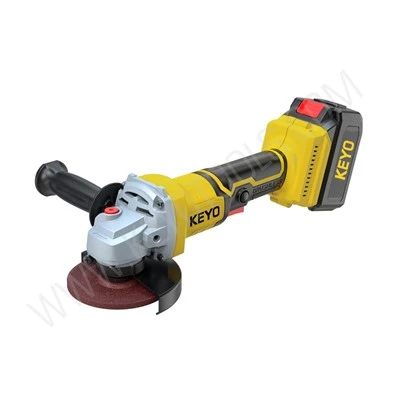
The truth is, drywall sander dust isn’t just regular debris. It’s a mix of gypsum, a soft mineral found in drywall, plus tiny particles of joint compound, paint, and sometimes even fiberglass mesh from tape. These particles are so small—most are less than 10 microns wide, and many are 2.5 microns or smaller—that they don’t settle quickly. They float in the air for hours, even days, after you’re done sanding. Breathing this stuff in over time can cause irritation to your eyes, nose, and throat, and prolonged exposure has been linked to respiratory issues for construction workers and homeowners doing large projects. That’s why cleaning drywall sander dust from the air isn’t just about making your space look neat—it’s about protecting your health and that of anyone else in the area.
Over the years, I’ve seen a lot of wrong ways to handle this dust: waving a towel around, cranking up a box fan and hoping it blows the dust outside (which usually just moves it to another room), or relying on a cheap store-bought air purifier that doesn’t have the right filters. After working with thousands of contractors and troubleshooting their dust issues, I’ve put together a step-by-step guide that actually works, paired with tips from the drywall sander pros we supply to on a daily basis. Let’s break it down so you can get the air in your space as clean as possible, fast.
First, before you even grab a drywall sander, you need to set up a base that controls dust at the source. A lot of people skip this step and then wonder why the air is so full of particles. The best drywall sanders we sell have built-in dust extraction systems, but even if yours doesn’t, you can add a simple attachment that connects to a shop vacuum. This pulls most of the dust out of the air before it gets a chance to float around. But even with that, some fine particles will still escape, so you need to prep the room to contain any remaining dust. Seal off the space you’re working on with plastic sheeting and painter’s tape—use thick 6-mil plastic, not the thin, flimsy stuff that tears easily. Cover doorways, vents, and even gaps around window frames so dust can’t spread to other parts of your home or job site. If you’re working in a small, enclosed space like a bathroom, you can even leave a small, covered vent (like a bathroom exhaust fan with a filter over it) to pull air out of the room gently, but don’t crank it on full blast right away.
Once you’ve finished sanding and let the remaining dust settle for at least 30 minutes—this is key, because rushing in will kick up all the settled particles back into the air—it’s time to start cleaning the air. The first tool you’ll need is a high-quality air purifier, but not just any air purifier. Look for one with a HEPA filter, specifically a HEPA H13 or H14 rated filter. Standard HEPA filters capture 99.97% of particles 0.3 microns and larger, which covers almost all drywall sander dust, and H14 filters go even further, capturing 99.995% of those particles. Cheap air purifiers with “HEPA-type” or “HEPA-style” filters are just a marketing gimmick—they don’t meet the official HEPA standard and won’t catch the tiny dust particles you’re dealing with. When we recommend air purifiers to our customers, we tell them to match the purifier’s CADR (Clean Air Delivery Rate) to the size of their room. For a 200-square-foot bedroom, a CADR of 100+ is enough, but for a 1,000-square-foot living area or job site, you’ll need a CADR of 300 or higher. Run the air purifier on its highest setting for the first two hours after sanding, then drop it to medium or low once the air looks clearer. It might take 4-6 hours for the air to be fully cleaned in a large space, so be patient—this isn’t a fast fix.
Next, you need to address the dust that’s already settled on surfaces, because if you skip this step, it will keep releasing particles into the air for days. Drywall dust is very fine and light, so wiping it with a dry cloth will just send it back up into the air. Instead, use a damp microfiber cloth or a specially formulated drywall dust wipe that’s designed to trap particles without letting them float. If you’re cleaning larger surfaces like floors or walls, use a vacuum with a HEPA filter—again, not a regular vacuum, which will blow dust out of its exhaust and back into the room. A shop vacuum with a HEPA attachment works great for floors, and a small handheld HEPA vacuum is perfect for baseboards, windowsills, and other tight spots. For furniture or items you can’t move, cover them with plastic until you’re done cleaning so you don’t track dust on them.
Another trick I’ve learned from working with pro drywall sanders is to use a damp misting system while you work. A small spray bottle filled with plain water, misted lightly in the air every few minutes when you’re sanding, will weigh down the fine dust particles so they fall to the floor faster. You don’t want to overdo it—too much water can damage drywall or joint compound, so just a light mist is enough. This cuts down on the amount of dust floating in the air during sanding, which means your air purifier has less work to do later. It’s a simple step, but it makes a huge difference, especially in dry climates where dust tends to float more easily.
If you’re working on a large job site, like a whole-house remodel or a commercial space, you might need more powerful equipment than a standard air purifier. I’ve seen many of our contractor customers use portable air scrubbers, which are designed to move large volumes of air and capture more dust than regular home air purifiers. These are especially useful if you don’t have time to wait for small purifiers to do the job, or if you’re working in an open space without walls to contain dust. Air scrubbers work by pulling air through a pre-filter to catch large debris, then a HEPA filter to catch fine particles, and blowing clean air back out. They’re durable, portable, and can run for hours without overheating, which makes them perfect for long job days.
One mistake a lot of people make is opening windows or using a box fan to blow dust outside. While it might seem like a good idea, this usually doesn’t work as intended. If you’re working in a dry area, the wind will blow fine dust back into the room from outside, or if you have other open windows nearby, it will push dust into other parts of your home. If you do want to ventilate the space, use a box fan to pull air out of a window that leads directly outside, and keep all other windows and doors closed. Pair that with your air purifier, and you can get better results than just ventilation alone. But for most residential projects, air purifiers and proper containment are enough.
Once you’re done cleaning the air, it’s important to do a final check before you resume normal activities. Turn off the air purifier, take a flashlight and hold it up to the window or into the room. If you see tiny white particles floating in the beam of light, that means there’s still dust in the air, and you’ll need to run the purifier a bit longer. This is a simple test that anyone can do, and it’s way more accurate than just guessing if the air is clean. If you still see particles, run the purifier for another hour, then check again.
Over the years, I’ve seen how bad drywall dust can affect people—from a homeowner who had to replace their air conditioner because dust got into the coils, to a contractor who missed a week of work because of respiratory irritation. That’s why I always tell our customers that investing in the right tools to control and clean drywall sander dust from the air isn’t an extra cost—it’s a smart investment in your health and the longevity of your space. Whether you’re a DIY homeowner doing a small bathroom remodel or a commercial contractor working on a 10,000-square-foot building, the steps I’ve outlined work every time.
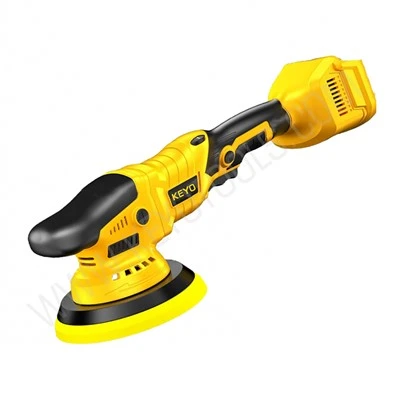
If you’re in the market for a reliable drywall sander that helps minimize dust at the source, or you need more advice on cleaning dust from your space, feel free to reach out to discuss your project needs. We’ve worked with hundreds of professionals and DIYers to find the right solutions for their specific dust challenges, and we’re happy to help you too.
Drill Tool Kit References
- Occupational Safety and Health Administration (OSHA). “Respiratory Protection for Construction Workers.” OSHA, 2022.
- Indoor Air Quality Association (IAQA). “Drywall Dust: Health Impacts and Mitigation Strategies.” IAQA Journal, vol. 18, no. 3, 2021, pp. 45-52.
- National Fire Protection Association (NFPA). “Construction Dust Control Best Practices.” NFPA, 2023.
- United States Environmental Protection Agency (EPA). “Guide to Air Cleaners in the Home.” EPA, 2022.
Chongqing Jinswell Tech Co., Ltd.
As one of the most professional drywall sander manufacturers and suppliers in China, we’re featured by quality products and low price. Please rest assured to wholesale bulk cheap drywall sander from our factory. Welcome to contact us for customized service and OEM&ODM service.
Address: No.59, Hongjin Road, Liangjiang New Area, Chongqing, China
E-mail: sales@keyotools.com
WebSite: https://www.keyotools.com/
