Hey everyone, it’s [Your First Name] from the PVC sheet supply team here, and let’s cut to the chase—if you’re in the marine game, you’ve probably spent way too much time chasing materials that don’t crack when the salt hits ’em, don’t warp under the sun, and don’t cost an arm and a leg to replace. Lately, I’ve been getting so many DMs and calls from boat builders, yacht maintenance crews, and even small dockside repair shops asking: Are PVC sheets actually worth the hype for marine use? Spoiler: It’s not a straightforward yes or no, but after 8+ years working with this stuff, I’ve got the real tea for you. PVC Sheet
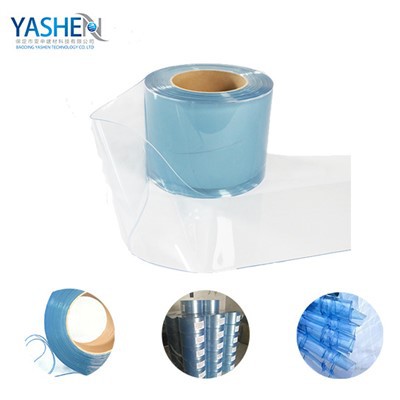
First, let’s get the basics out. PVC (polyvinyl chloride) isn’t just that stuff your cousin uses for plumbing pipes—marine-grade PVC is a whole different beast, right? Regular PVC fades and gets brittle after a year or two of UV exposure, but marine-grade is stabilized with UV inhibitors and sometimes even comes with anti-microbial additives to fight that gross mold and mildew that grows in tight, damp spaces on boats. That’s a big win right out the gate.
Let’s talk about the good stuff first—why so many marine folks are switching to PVC sheets instead of the old standbys like wood, fiberglass, or aluminum. First up, corrosion resistance. If you’ve ever had an aluminum railing that pitted after one season near the ocean, or wood that rotted around the edges of your deck trim, you know the headache. Saltwater is brutal on metals and natural materials, but PVC? It doesn’t react with salt, so no rust, no rot, no weird discoloration from chemical leaching. I’ve had a customer who uses our 1/4” thick marine PVC for his dock floating platforms—he’s had it for 5 years now, and the only thing he’s had to clean is the bird poop. That’s a huge sell for anybody who’s ever dealt with maintenance nightmares.
Then there’s the weight factor. Fiberglass is strong, but it’s heavy, and extra weight on a boat means worse fuel efficiency, slower speeds, more strain on the hull. Aluminum is lighter than steel, but still heavier than PVC. Marine-grade PVC sheets are about half the weight of fiberglass of the same thickness. For smaller boats—like fishing skiffs or pontoons—that extra lightness makes a big difference in how the boat handles. I had a guy last month who was refitting his 16’ fishing skiff; he replaced his old plywood floor (which was rotting and weighed 80 lbs) with 3/8” PVC sheets, and he told me the boat pulled 2 full knots faster after the install. That’s not a trivial number for somebody who spends weekends out on the water.
And let’s not forget versatility. PVC sheets can be cut, drilled, thermoformed, glued, or even welded—super easy for custom marine projects. Need to make a custom seat base for a pontoon? Cut a PVC sheet to size, add some foam, and cover it with marine-grade vinyl. Need to line a baitwell? PVC is non-porous, so it won’t leak into the water or hold bacteria. We even supply some yacht builders who use PVC sheets for interior wall panels—they’re smooth, easy to wipe down, and don’t show scuffs like painted wood. It’s flexible enough to work for a ton of different marine applications, from big yachts to tiny rowboats.
But wait—no material is perfect, and PVC has its downsides, especially in marine settings. Let’s be real, I don’t want to sell you something that’ll fall apart in a couple of years. The big one here is heat resistance. Most regular marine-grade PVC can handle up to around 140°F before it starts to warp. If you’re working in a place where the sun beats down on a closed boat cabin all day, the inside temperature can hit 160°F easily. If you use cheap PVC (not marine-grade, not properly stabilized), it’ll soften, sag, or even get brittle when it cools back down. That’s why at our shop, we only stock high-heat marine PVC that’s rated up to 180°F—we’ve tested it in a commercial oven to make sure, so it won’t give you that headache.
Another con: UV degradation if it’s not properly formulated. Like I said earlier, regular PVC fades, but marine-grade PVC has UV inhibitors—cut those corners, and in 2-3 years, your sheet will be yellow, crack, and flake. I once had a customer who bought “marine PVC” from a random online supplier for his dock panels; after 18 months, half the panels had so many cracks that wind and saltwater pushed them right through. We fixed it by swapping in our UV-stabilized grade, and he hasn’t had an issue since. So the key here is knowing your supplier—make sure the PVC you’re getting is actually formulated for marine use, not just labeled as such.
And let’s talk about impact resistance. PVC is tough, but it’s not indestructible. If you’re running a boat in rough offshore waters, or you have a small dinghy that gets banged into docks and other boats, you might want to pair PVC with a thicker core or a textured surface for extra impact protection. Thin PVC sheets (1/8” or less) can crack if you drop a heavy tool on them, or if they get hit with a hard object. So it’s all about matching the thickness and grade to your specific use case. Don’t use a 1/8” sheet for your exterior dock fenders—go with 1/2” or thicker if you need something that can take a hit.
Now, let’s break down the most common marine applications where PVC actually works really well, so you can see if it fits your needs. First, interior components: seat bases, wall panels, baitwell liners, cabinet backs. These are low-stress, protected from direct UV most of the time, so PVC shines here. We supply a lot of cabin crew for small cruise ships who line their storage lockers with PVC— it’s easy to sanitize, doesn’t absorb food odors, and holds up to all the cleaning chemicals they use.
Then exterior applications that aren’t high-impact: dock trim, floating platform decks, pontoon side panels, transom wraps. These are areas that don’t take a lot of hard hits, so as long as you get the right thickness and UV-stabilized grade, they’ll last a long time. One of our long-time customers uses our 3/8” PVC for his floating kayak docks—he’s had them for 7 years now, and the only maintenance he does is power wash them twice a year.
What about stuff you should avoid using PVC for? Exterior structural parts like hull panels or fenders that take repeated hard impacts. PVC isn’t as strong as fiberglass or marine grade aluminum for those, so you’ll end up with cracks or dents that need repairs pretty often. Also, if you’re using it for anything that’ll be in direct contact with hot engine parts—stick to metal or heat-resistant fiberglass for that, because PVC will melt if it’s too close to an engine block.
Wait, let’s also clear up a common misconception: some people think PVC is bad for the environment, especially marine environments. That’s changed a lot in the last 10 years, honestly. Modern marine-grade PVC is made with non-toxic plasticizers (we use phthalate-free formulas) that won’t leach into water, and it’s fully recyclable. We have a program where we take back old PVC sheets from customers who are replacing them, and we grind them down into new raw material for other construction projects. That’s a big plus for people who care about sustainable marine materials.
Now, I get it—if you’re not familiar with working with PVC, you might be wondering if it’s hard to install. It’s actually way easier than wood or fiberglass for most small jobs. You can use regular woodworking tools (circular saw, jigsaw, drill) to cut it, and you can use PVC cement or even stainless steel screws to attach it. For larger projects, welding the seams with a hot air welder makes them super strong—we offer free basic welding tutorials for all our customers, so you don’t need to hire a pro to get it done right.
So, to wrap this up: Are PVC sheets suitable for marine applications? The answer is a resounding yes—if you pick the right grade, the right thickness, and match it to your specific use case. It’s lightweight, corrosion-resistant, low-maintenance, and way cheaper than materials like fiberglass or marine grade aluminum. But skip the cheap, untested PVC from random suppliers, and make sure you’re not using it for high-impact structural parts where it’ll get beat up regularly.

If you’re a boat builder, maintenance crew, or DIYer looking to source marine-grade PVC for your next project, hit us up to chat. We can help you pick the right thickness and grade for whatever you’re working on, no confusing jargon, just straight advice from people who’ve been in the marine game for years. No pressure, just answers.
PVC Sheet Machine References:
- American Society for Testing and Materials (ASTM) International. Standard Specification for Rigid Poly(Vinyl Chloride) (PVC) Structural Plate, Corrugated, and Solid for Sewage Pipe, Culverts, and Storm Drains. ASTM D6252, 2021.
- National Marine Manufacturers Association (NMMA). Materials Selection Guide for Marine Construction. NMMA, 2022.
- International Association of Plastics Distributors (IAPD). Marine-Grade PVC: Formulation and Performance Requirements. IAPD Technical Bulletin, 2020.
Baoding Yashen Technology Co., Ltd.
Baoding Yashen Technology Co., Ltd. is well-known as one of the leading pvc sheet manufacturers and suppliers in China. If you’re going to buy bulk high quality pvc sheet in stock, welcome to get free sample from our factory. For customized service, contact us now.
Address: Qingyuan Industrial Area, Baoding, Hebei, China.
E-mail: info@yashenchina.com
WebSite: https://www.yashenchina.com/
