As a dental consumables supplier, I get it—when clinics stock up on tools like impression materials, handpiece burs, or dental floss, they don’t just grab whatever’s on sale. Every small part matters. A single contaminated bur, a batch of expired composite, or a mislabeled tray can mess up a patient’s treatment, or even put a practice at risk. Over the last 7 years I’ve spent building this supply side, I’ve learned that quality control (QC) isn’t just a box to tick—it’s the only way to keep our partners’ patients safe and our products reliable. I don’t do the fancy, rigid QC that sounds good on a spec sheet. The stuff I use is the stuff I’d want to hand to my own dentist, so let’s break down what actually works for dental consumables, no jargon included. Dental Consumable
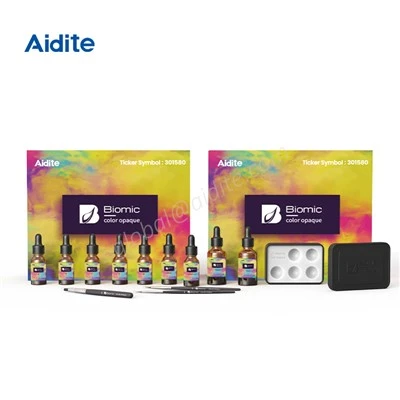
First, let’s start with the basics: incoming raw materials. I don’t take any random resin or metal shavings from a vendor. Before any batch hits my warehouse, my QC team pulls 10% of each shipment and runs quick, actionable tests. For example, if we’re getting impression trays, we don’t just check that they look the right size—we test their tensile strength: bend a tray 10 times, if it snaps after 7, that batch’s out. For composite resins, we check the curing time too—too fast, and the dentist doesn’t have time to shape it before it sets; too slow, and it won’t hold up in a molar. Last quarter, a new metal supplier sent a batch of burs that were made with lower-grade steel. Our QC team tested their hardness, and they crumpled way easier than our usual stock. I sent the whole shipment back immediately—no exceptions. I’ve seen what happens when a bur breaks mid-procedure, and it’s never pretty.
Next, manufacturing line checks. This is where a lot of suppliers cut corners, but we don’t. Every hour, a line worker pulls a finished random product and runs a quick check. It’s not just a “look at it” thing—for sterile items like cotton rolls or surgical masks, we swab the surface to make sure there’s no bacteria. For example, last month, a batch of surgical gloves came out of the line with tiny holes (too small to see with the naked eye). Our line worker caught it before the boxes were sealed, so we never shipped it. If we had missed that, a hygienist could have poked her finger and exposed a patient’s blood, which is a huge liability. We also label every single unit with a lot number, batch number, and expiration date on the line—no post-printing shortcuts. I used to let the team do labels at the end, but a few batches got mislabeled, and I had to drive to a local clinic to fix a mix-up on composite shades. Now we do it on the line, it’s faster and way more accurate.
Then, packaging and storage checks. Dental consumables are sensitive—heat, moisture, even sunlight can ruin them. I have my warehouse guys do a weekly audit of the storage areas: temperature checks (we keep it between 68-72°F, no exceptions), humidity checks (around 45-50%), and we rotate stock so older batches go out first (FIFO, for anyone who doesn’t know that acronym—first in, first out). A while back, a warehouse near a broken air conditioner got a batch of composite that got too warm; the curing agent broke down, so the composite never set properly. We sent that batch back, and now we have two backup thermometers in every storage bay, just in case. We also check packaging integrity: any box with a torn seal, a crumpled sterile wrapper, or a missing lot number gets set aside. Last week, a pallet of dental floss had a couple boxes with loose seals, so we pulled them—no point in giving a clinic floss that might have picked up germs in transit.
Sterilization is a huge one for consumables that get reused or come pre-sterilized. Wait, pre-sterilized is different—for things like handpiece tips or surgical gauze, we don’t trust the manufacturer’s label. We do our own third-party sterilization test quarterly: send a random sample of each pre-sterilized batch to a lab, and they check for spore counts. Spores are the tough bacteria that don’t die from regular cleaning, so if those are present, the batch is out. For reusable items (like burs or impression cups), we have an in-house autoclave, and every day we test it with indicator strips—if the strip doesn’t turn the right color, the whole day’s load gets re-sterilized. A lot of suppliers skip this, but I can’t risk a clinic using a non-sterile tool on a kid with a cavity.
Compliance and audits are non-negotiable, too. I don’t just follow the basic FDA rules—we get audited twice a year by an independent dental healthcare agency, and we keep every QC log for 5 years, minimum. Every lot’s test results, every warehouse temp check, every line worker’s shift log—it’s all saved. Last audit, they asked for the raw material test logs from a composite batch from 2 years prior, and I pulled them up in 2 minutes. That’s the kind of transparency our clinic partners want. I also make sure all our products meet ISO 13485, the dental device standard, but I don’t hang the certificate on the wall— I use it to actually run checks.
Wait, I should mention post-delivery checks too. It’s not our job once the product leaves the warehouse, but if a clinic reaches out with a complaint, we act fast. Last year, a dentist said his new batch of fluoride varnish was separating. We asked for a sample, tested it, and found it was a bad batch from the manufacturer. We gave the clinic a full refund, plus a free next-day delivery of a good batch—no questions asked. That’s the stuff that builds trust, not just QC logs.
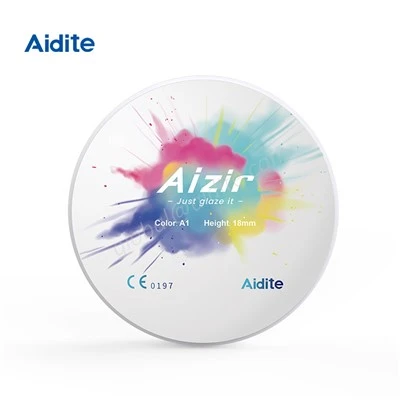
At the end of the day, being a dental consumable supplier means your QC isn’t just about passing tests—it’s about treating every clinic partner like a teammate, not just a client. If you’re a clinic owner or practice manager tired of dealing with inconsistent consumables, let’s talk. We can walk through our QC process, answer any questions, and make sure you get products that work for your patients and your staff.
CAD/CAM Equipment References
- American Dental Association. (2022). Quality Standards for Dental Consumables.
- ISO 13485:2016. Medical devices – Quality management systems – Requirements for regulatory purposes.
- Centers for Disease Control and Prevention. (2021). Infection Control Guidelines for Dental Settings.
- Journal of Dental Supplies. (2023). Common QC Failures in Dental Consumables and Mitigation Strategies.
Aidite (Qinhuangdao) Technology Co., Ltd.
Aidite (Qinhuangdao) Technology Co., Ltd. is one of the most professional dental consumable manufacturers and suppliers in China, featured by quality products and good service. Please rest assured to buy bulk dental consumable at competitive price from our factory. Also, quotation is available.
Address: No.9 Dushan Road, Economic and Technological Development Zone, Qinhuangdao, Hebei Prov., China
E-mail: global@aidite.com
WebSite: https://www.aiditeglobal.com/
