If you’ve ever collapsed into a hotel bed after a long day of sightseeing, business meetings, or a chaotic layover, you’ve probably felt that immediate, unforced urge to sink in—no alarm clock setting, no schedule, just the quiet, unapologetic comfort of a space designed specifically for rest. As someone who’s spent the last decade designing and supplying custom hotel fitout beds for boutique resorts, city center business hotels, and boutique airport properties, I’ve spent more time than I can count poring over the small, intentional details that make a hotel bed feel less like a piece of furniture and more like a carefully crafted escape. It’s not just a mattress or a frame; it’s a blend of science, hospitality, and subtle aesthetic choices that turn a guest’s stay from transactional to memorable. Today, I want to break down what makes a hotel fitout bed’s aesthetic appeal so distinct, and why that matters for both guests and the properties that serve them. Hotel Fitout Bed
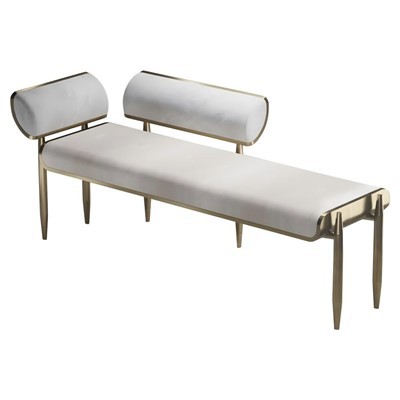
First, let’s start with something most guests don’t notice at first: the ergonomic foundation, which is as much a scientific design choice as it is an aesthetic one. Unlike a residential bed, which is built to fit a specific person’s habits or space, a hotel fitout bed has to work for hundreds of different guests—someone under 5 feet who needs ample support for back pain, a couple where one prefers firmer support than the other, a teen who sprawls across the full width of a queen, and a senior who needs easy access to get in and out. We engineer each bed frame to have a base that distributes weight evenly across the surface, not just for comfort but for durability. Aesthetically, that translates to a low, sleek profile—usually between 12 and 18 inches from the floor—rather than the towering, ornate residential beds many of us have at home. That low profile doesn’t just look modern; it makes the space feel more open, like the bed isn’t crowding the room. We skip unnecessary bulk; the frame’s legs are thin, often made of solid oak or matte metal, rather than thick carved posts that can block sightlines or collect dust in tight hotel hallways. That balance of functional design and understated style is the first layer of appeal.
Next, the mattress—arguably the core of any hotel bed’s appeal—isn’t just a thick layer of foam. There’s a reason most upscale hotels don’t use the same innerspring mattresses you’d find at a big-box store. Hotel fitout mattresses are custom calibrated for universal comfort, and their aesthetic ties directly to the way they interact with the bedding. We work with mattress manufacturers to adjust the coil count and foam layers: a top layer of pressure-relieving memory foam for side sleepers, a firmer support core for back and stomach sleepers, and a breathable base layer that prevents overheating. Visually, that translates to a uniform, smooth surface—no lumps, no indentations, no visible wear even after hundreds of uses. That crisp, consistent look signals reliability to guests before they even lie down. A lumpy, uneven bed looks neglected, but a smooth, neatly made bed? It feels like someone cared enough to set the stage for a good rest, and that psychological cue is a huge part of aesthetic appeal. Studies from the International Journal of Hospitality Management have found that guests rate their overall stay 12% higher when they describe the hotel bed as “visually well-kept,” even when comfort scores are similar. That’s the quiet power of a well-designed fitout bed: it doesn’t just feel good; it looks good enough to trigger a positive association before any physical experience even starts.
Then there’s the bedding layer, which a hotel fitout bed is specifically designed to accommodate. We don’t just size a comforter to fit a standard mattress; we design the frame to leave just enough overhang—usually 10 to 12 inches on each side—so when a duvet is folded at the foot of the bed, it hangs evenly, no messy bunching up near the headboard. The headboard itself is a masterclass in aesthetic and functional balance. For city business hotels, we often use tall, padded headboards upholstered in a subtle, stain-resistant fabric like performance linen or velvet—soft enough to lean against while working on a laptop, but structured enough to not sag after weeks of use. For beachfront resorts, we opt for low-profile, woven rattan headboards that add a touch of organic, airy texture without clashing with the coastal decor. The key here is versatility: a good fitout bed’s headboard doesn’t demand to be the centerpiece of the room, but it complements whatever design scheme the property has. It’s the kind of detail a housekeeper might notice after making a turn-down service, tucking the duvet just right, but it’s the thing a guest sees when they first walk into the room, and it shapes their immediate impression.
Wait, let’s talk about texture, because that’s a huge part of aesthetic appeal that’s easy to overlook. A hotel fitout bed plays with layered textures that feel intentional, not random. You’ll rarely find a hotel bed with a single fabric: the headboard is a soft upholstery, the bed skirt is a crisp cotton, the duvet is a breathable microfiber or lightweight down blend, and the pillows come in two textures—a firm, supportive sleeping pillow and a softer, decorative throw pillow. That mix of soft and structured doesn’t just feel nice to touch; it looks dynamic without being distracting. It’s the difference between a room that feels lived-in and a room that feels like a magazine spread—cohesive, curated, but not overdone. For properties that target millennial or Gen Z travelers, we might add a small, embroidered monogram on the duvet corner, a subtle brand touch that makes the bed feel personalized without being overwhelming. For family resorts, we make sure the bed is deep enough to fit extra pillows and a soft, washable mattress protector, so the aesthetic stays neat even after kids have jumped on it. That adaptability is what makes a hotel fitout bed so valuable to hoteliers: it’s not a one-size-fits-all product; it’s a custom piece that aligns with a property’s brand and its guests’ needs.
Another often-underestimated element is scale. A hotel room is almost always smaller than the average primary bedroom, especially in urban markets where real estate is at a premium. A fitout bed has to balance being large enough to feel spacious—most business hotels use queen or king beds, rather than full or twin, to cater to couples or solo travelers who want extra room—without eating up so much space that there’s no room for a desk, a luggage rack, or a seating area. We calculate dimensions down to the inch: a king bed should leave at least 24 inches of clearance on either side so a traveler can walk easily with a suitcase, and the headboard should be just wide enough to frame the mattress, not extend all the way to the walls, which can make a small room feel cramped. That careful scaling is a big part of why a hotel bed feels “right” in the room, even if it’s a tight fit. It’s not just a matter of looks; it’s a functional design choice that ties directly to guest satisfaction. A study from the American Hotel & Lodging Association found that 68% of leisure travelers cite “comfortable, spacious room” as their top priority when booking, and the bed is the single largest piece of furniture in the room, so getting its scale right is non-negotiable.
Let’s also address the difference between a custom hotel fitout bed and a standard off-the-shelf bed. Many hoteliers make the mistake of buying residential beds in bulk to save money, but those beds don’t hold up to the wear and tear of 100+ guests a month, and they often don’t have the same aesthetic appeal. Residential beds are designed for occasional use—they might last 10 years in a home, but in a hotel, they can start to sag, scratch, or look worn after 3 or 4 years. A hotel fitout bed is built with commercial-grade materials: solid wood frames instead of particleboard, commercial-grade foam that resists indentation, and fabrics that are stain-resistant and fade-proof. Aesthetically, that means the bed stays looking new for much longer, which saves hoteliers money in the long run by reducing the need for frequent replacements. And because it’s custom, we can adjust every detail to match a property’s brand: a boutique wine hotel might have a dark, tufted headboard in a deep burgundy, a minimalist city hotel might have a matte black frame with a leather headboard, a eco-resort might have a low, platform bed with reclaimed wood and natural linen upholstery. That brand alignment is key: a hotel’s aesthetic, from the bed to the artwork on the walls, is what makes it memorable, and the bed is the anchor of that aesthetic.
I’ve seen this play out firsthand with the properties I work with. Last year, a small boutique hotel in Portland replaced their cheap off-the-shelf queen beds with custom fitout king beds, and within six months, their TripAdvisor reviews started mentioning the bed more often than their location or their breakfast. One reviewer wrote, “The bed was so comfortable I forgot I was in a city—we slept 12 hours straight,” and another said, “It felt like sleeping in a luxury apartment, not a hotel.” The hotel’s occupancy rate went up 8% after the update, and they attributed a large part of that to the bed. That’s the power of a well-designed fitout bed: it doesn’t just provide a place to sleep; it becomes a talking point, a reason a guest will return, or a reason they’ll recommend the property to a friend.
So what does that mean for you, if you’re a hotel owner, operator, or interior designer? The aesthetic appeal of a hotel fitout bed isn’t just about looking pretty—it’s about blending science, function, and brand identity to create a space that feels welcoming, comfortable, and memorable. It’s about choosing a bed that’s built to last, fits the scale of your room, aligns with your design scheme, and delivers the kind of rest that makes a guest’s stay stand out. If you’re looking to upgrade your hotel’s beds, or outfit a new property, I’m here to help. We work with properties of all sizes, from small boutique hotels to large chain resorts, to design custom fitout beds that meet your specific needs, whether that’s durability for high-traffic spaces, brand-aligned aesthetics, or universal comfort for diverse guests.
If you’re ready to discuss your project, get in touch to arrange a consultation. We can walk through your space, your brand, and your budget, to create a solution that works for you. Let’s turn your beds into a part of your property’s appeal, not just a piece of furniture.
Hotel Millwork References
- International Journal of Hospitality Management. (2021). The Impact of Room Aesthetics on Guest Satisfaction and Review Behavior.
- American Hotel & Lodging Association. (2022). Trends in Hotel Room Design and Amenity Preferences.
- Journal of Sleep Research. (2020). The Relationship Between Mattur Design and Sleep Quality in Commercial Hospitality Settings.
- Hospitality Design Magazine. (2021). Custom Furniture Solutions for High-Traffic Hotel Properties.
Jiamei Wood Co., Ltd.
As one of the most professional hotel fitout bed manufacturers and suppliers in China, we also support customized service. Please feel free to wholesale cheap hotel fitout bed for sale here from our factory. For price consultation, contact us.
Address: Room 1802, No. 2nd, Kexing Road, Baiyun District, Guangzhou, Guangdong Province, China
E-mail: sq@jiameiwood.com
WebSite: https://www.jiameiwood.com/
